What Happens If an Accident Involves a Company Vehicle?
Who is responsible, how insurance works, and what you should know if a business vehicle is involved in your crash.
When a Company Logo Is on the Vehicle
Car accidents are stressful enough. But when the other vehicle has a company logo on the side, things can feel even more confusing.
Is the driver personally responsible?
Is the company responsible?
Does insurance work differently?
If you’ve been in an accident involving a company vehicle, you’re not alone in wondering what happens next. The good news is that there are clear rules that often apply — and understanding them can help you protect your rights.
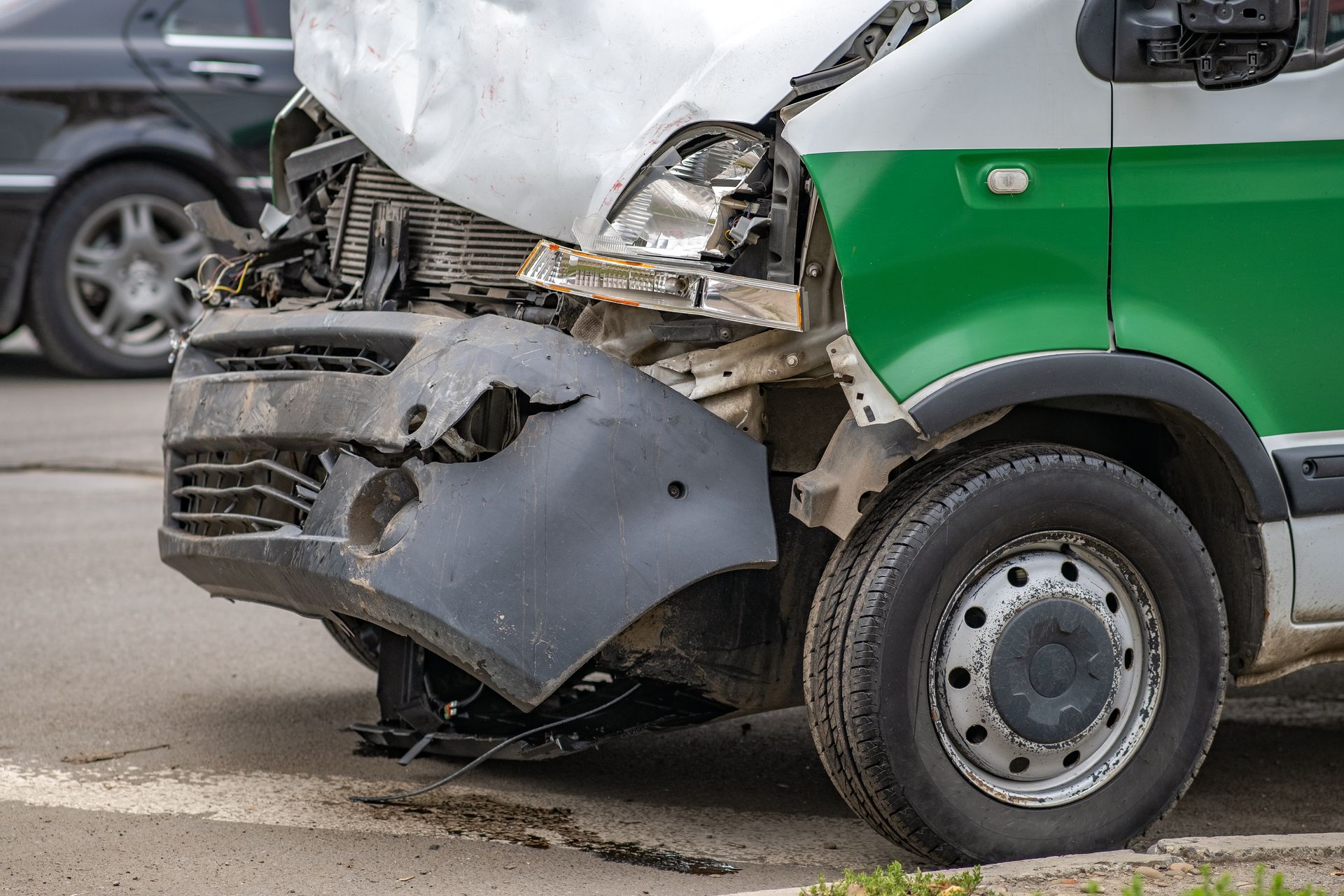
What Is Considered a Company Vehicle?
A company vehicle may include:
- Delivery vans
- Utility trucks
- Service vehicles (plumbing, HVAC, landscaping, etc.)
- Company cars assigned to employees
- Commercial semi-trucks
- Rental or fleet vehicles used for business purposes
If the vehicle is owned, leased, or operated for business use, it may fall under commercial insurance coverage.
Who Is Responsible in a Company Vehicle Accident?
Responsibility depends on several factors — especially whether the driver was acting within their job duties at the time of the crash.
1. If the Employee Was Working
If the driver was:
- Making deliveries
- Traveling between job sites
- Driving during work hours
- Performing job-related tasks
The employer may be held responsible under a legal concept known as “vicarious liability.” This means a company can be liable for actions taken by employees during the course of their employment.
2. If the Employee Was Off Duty
If the employee was:
- Running personal errands
- Driving outside work hours
- Using the vehicle without permission
Liability may shift to the individual driver instead of the company.
The details matter.
How Commercial Insurance Is Different
Company vehicles are typically covered by commercial auto insurance policies, which are different from personal auto policies.
Commercial policies often:
- Have higher coverage limits
- Include additional liability protections
- Involve corporate legal teams
- Trigger more thorough investigations
This can mean:
- Larger potential settlements
- More complex claims
- Longer timelines
It also means the company’s insurer may work aggressively to limit liability.
What If the Company Denies Responsibility?
Companies sometimes argue:
- The employee was not “on the clock”
- The driver was acting outside job duties
- The vehicle was being used improperly
- Another party was at fault
These defenses are common in commercial vehicle claims. Documentation and evidence become critical when responsibility is disputed.
Why These Cases
Can Be More Complicated
Accidents involving company vehicles often involve:
- Corporate insurance adjusters
- Legal departments
- Internal investigations
- Employment record reviews
The process can feel more formal and intimidating than a standard car accident claim. Companies have resources. That doesn’t mean you don’t have rights.
Common Types of Company Vehicle Accidents
- Delivery driver rear-end collisions
- Commercial truck lane changes
- Distracted driving during work calls
- Fatigue from long shifts
- Improper vehicle maintenance
In some cases, responsibility may extend beyond the driver to include:
- Negligent hiring
- Poor training
- Unsafe scheduling
- Failure to maintain the vehicle
Can You Still Recover Compensation?
Yes. If the company vehicle driver was at fault, you may be entitled to compensation for:
- Medical bills
- Lost wages
- Future medical expenses
- Pain and suffering
- Long-term disability
Because commercial policies often carry higher coverage limits, compensation may reflect the full impact of your injuries — when handled properly.
What Not to Do
- Don’t assume the company will “take care of it”
- Don’t give recorded statements without understanding your options
- Don’t accept early settlement offers out of pressure
- Don’t downplay your injuries
Corporate insurers often move quickly to control the narrative.
When to Get Guidance
If your accident involves:
- A delivery company
- A contractor vehicle
- A semi-truck
- A government vehicle
- A rental fleet used for business
It may be wise to get clarity before making decisions. The earlier you understand how commercial liability works, the better protected you are.
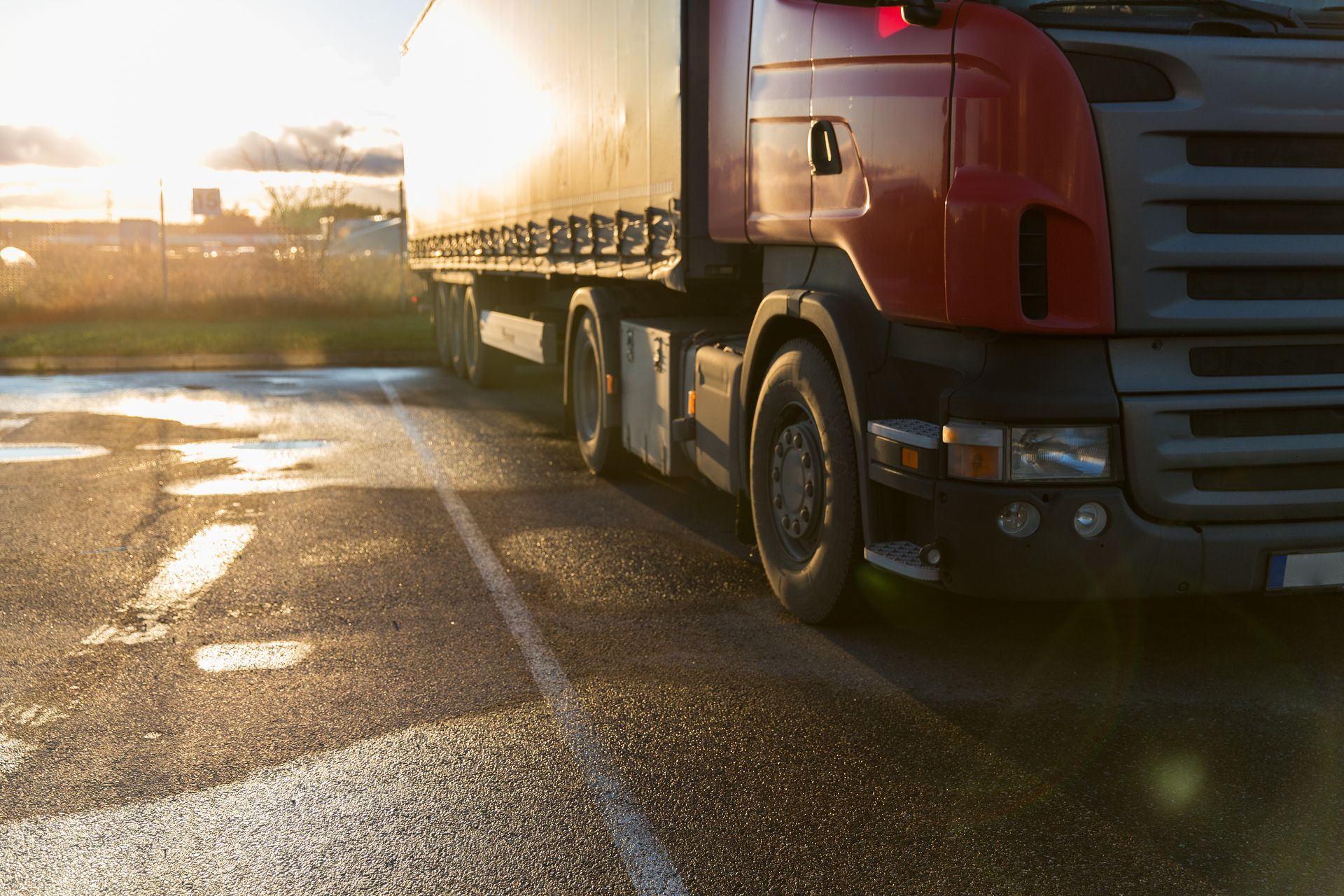
Bigger Vehicles, Bigger Policies, Bigger Complexity
Accidents involving company vehicles can feel intimidating. But complexity does not mean you are powerless.
Understanding who is responsible and how commercial insurance works is the first step toward protecting yourself.
Call Christina Now We’re a free accident helpline here to help you understand your options, avoid costly mistakes, and take the next right step after a company vehicle accident. You don’t have to navigate corporate insurance alone. Support is just one call away.