
How Accidents Affect More Than Just Your Body
Understanding the emotional, mental, and financial impact of accidents — and why healing involves more than physical recovery.
Understanding the emotional, mental, and financial impact of accidents — and why healing involves more than physical recovery.

When the Pain
Isn’t Just Physical
After an accident, most people focus on visible injuries — bruises, broken bones, or sore muscles. But many accident victims quickly realize something deeper is happening.
You may feel
anxious.
Overwhelmed.
Irritable.
Disconnected.
Exhausted in ways sleep doesn’t fix.
These reactions are common — and valid.
Accidents don’t just affect your body. They affect your mind, your emotions, your relationships, your work, and your sense of safety. Understanding this broader impact can help you heal more fully and avoid feeling like something is “wrong” with you.
When the Pain Isn’t Just Physical
After an accident, most people focus on visible injuries — bruises, broken bones, or sore muscles. But many accident victims quickly realize something deeper is happening.
You may feel
anxious.
Overwhelmed.
Irritable.
Disconnected.
Exhausted in ways sleep doesn’t fix.
These reactions are common — and valid.
Accidents don’t just affect your body. They affect your mind, your emotions, your relationships, your work, and your sense of safety. Understanding this broader impact can help you heal more fully and avoid feeling like something is “wrong” with you.
When the Pain Isn’t Just Physical
After an accident, most people focus on visible injuries — bruises, broken bones, or sore muscles. But many accident victims quickly realize something deeper is happening.
You may feel
anxious.
Overwhelmed.
Irritable.
Disconnected.
Exhausted in ways sleep doesn’t fix.
These reactions are common — and valid.
Accidents don’t just affect your body. They affect your mind, your emotions, your relationships, your work, and your sense of safety. Understanding this broader impact can help you heal more fully and avoid feeling like something is “wrong” with you.
The Emotional Impact of an Accident
An accident is a sudden loss of control. Even minor crashes can shake your sense of safety.
Many people experience:
- Anxiety or fear, especially while driving
- Mood changes or irritability
- Sadness or grief over lost routines
- Feelings of vulnerability
- Trouble relaxing
These emotions may come and go — or appear weeks later, once the adrenaline wears off.
Why This Happens
Your nervous system reacts to trauma by staying on high alert. It’s your brain’s way of trying to protect you — even when danger has passed.
The Emotional Impact of an Accident
An accident is a sudden loss of control. Even minor crashes can shake your sense of safety.
Many people experience:
- Anxiety or fear, especially while driving
- Mood changes or irritability
- Sadness or grief over lost routines
- Feelings of vulnerability
- Trouble relaxing
These emotions may come and go — or appear weeks later, once the adrenaline wears off.
Why This Happens
Your nervous system reacts to trauma by staying on high alert. It’s your brain’s way of trying to protect you — even when danger has passed.
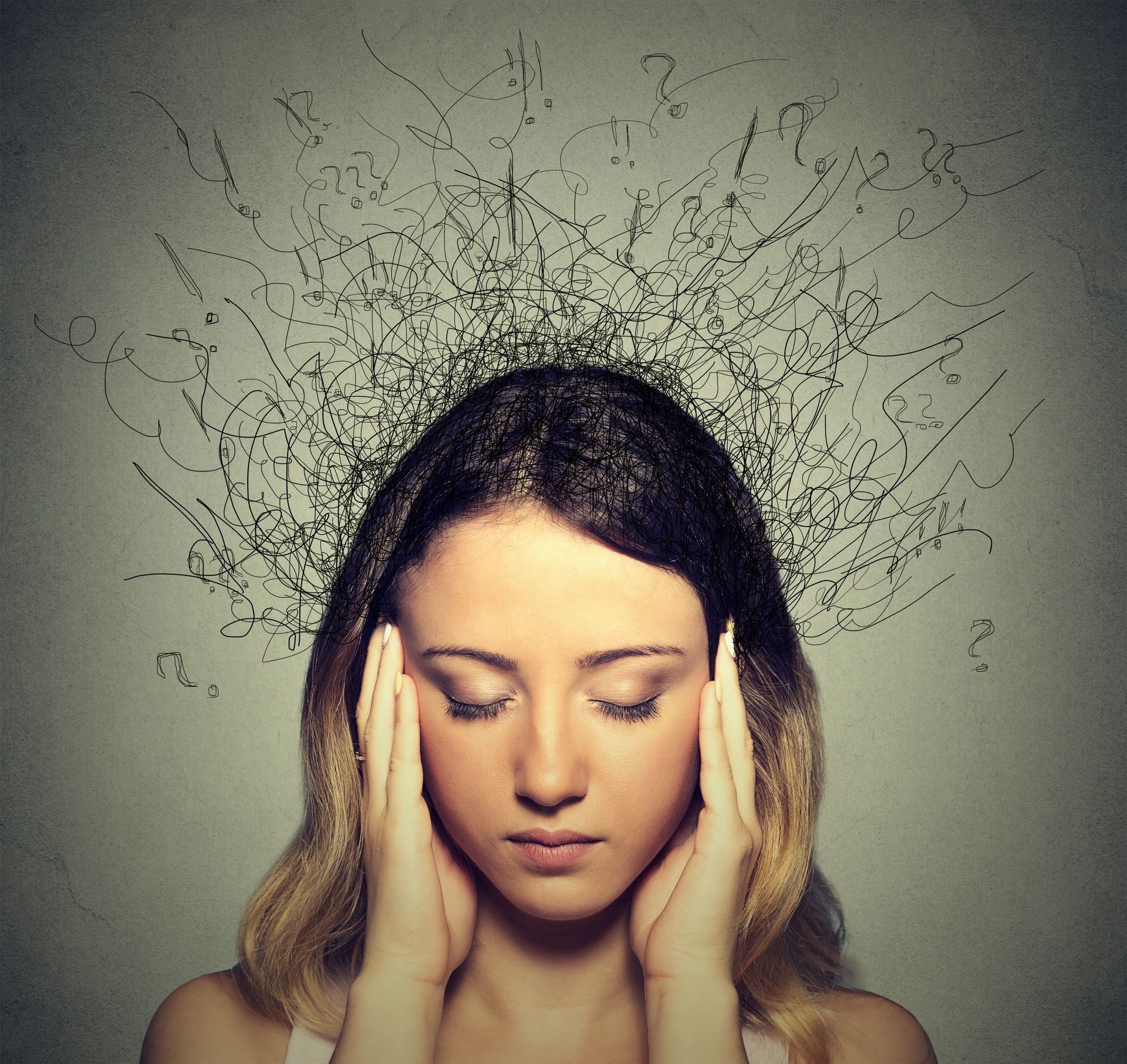
Mental Health
Effects People Don’t Expect
Accident-related stress isn’t always obvious.
Some people notice:
- Trouble concentrating
- Memory issues
- Racing thoughts
- Sleep problems
- Flashbacks or intrusive thoughts
Others may feel emotionally numb or disconnected from daily life.
These responses don’t mean you’re weak.
They mean your mind is processing a sudden, stressful event.
Mental Health
Effects People Don’t Expect
Accident-related stress isn’t always obvious.
Some people notice:
- Trouble concentrating
- Memory issues
- Racing thoughts
- Sleep problems
- Flashbacks or intrusive thoughts
Others may feel emotionally numb or disconnected from daily life.
These responses don’t mean you’re weak.
They mean your mind is processing a sudden, stressful event.
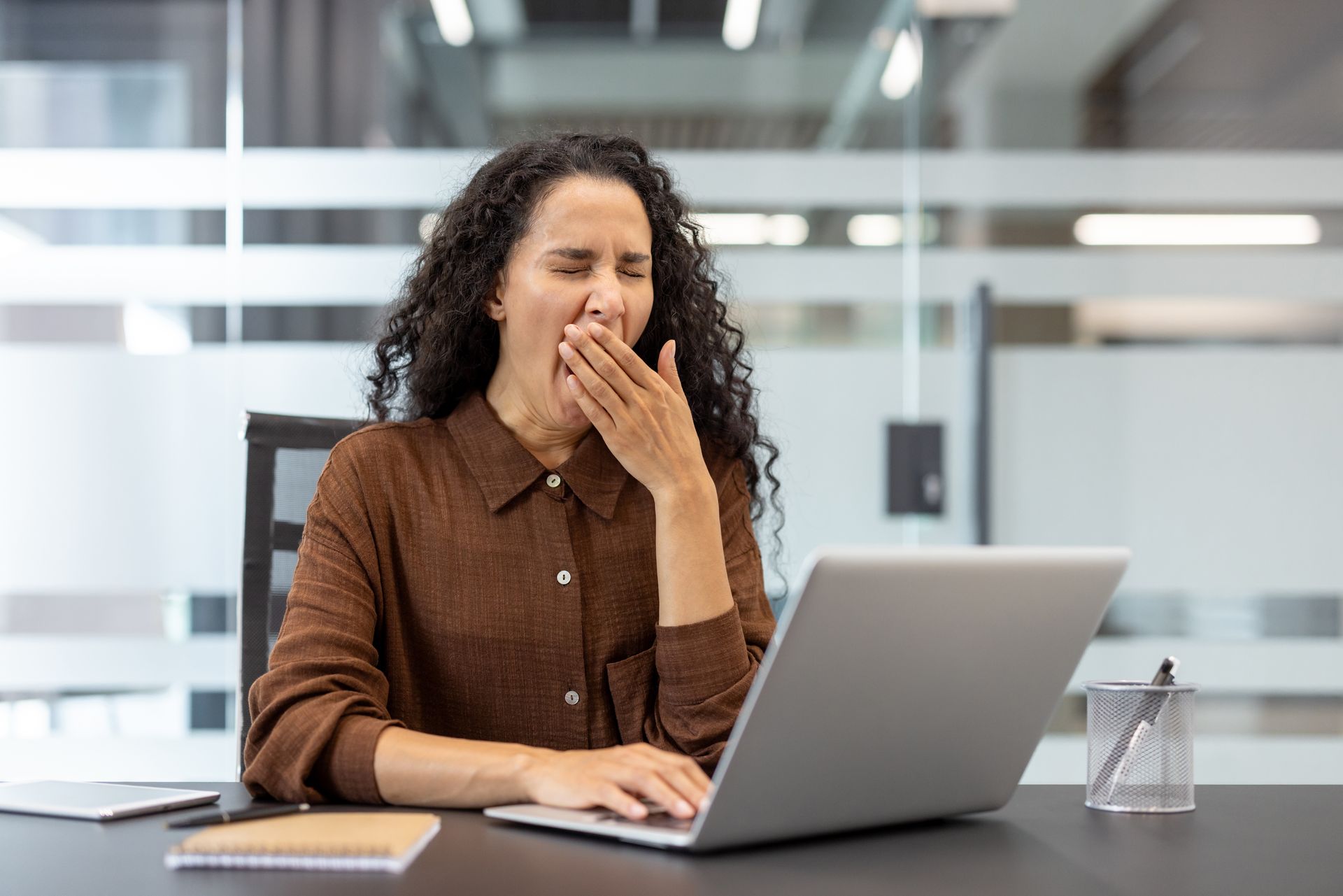
How Accidents Affect
Sleep and Energy
Sleep disruption is one of the most common — and frustrating — side effects after an accident.
Pain, stress, and anxiety can cause:
- Difficulty falling asleep
- Waking frequently during the night
- Vivid dreams or nightmares
- Daytime fatigue
Poor sleep affects healing, mood, focus, and patience. It can make everything feel harder.

The Impact on Work and Finances
Even a short recovery period can cause long-term stress.
Accidents often lead to:
- Missed work
- Reduced income
- Medical bills
- Prescription costs
- Transportation issues
- Fear about job security
Financial pressure adds another layer of emotional strain — especially when recovery takes longer than expected.
How Accidents Affect
Sleep and Energy
Sleep disruption is one of the most common — and frustrating — side effects after an accident.
Pain, stress, and anxiety can cause:
- Difficulty falling asleep
- Waking frequently during the night
- Vivid dreams or nightmares
- Daytime fatigue
Poor sleep affects healing, mood, focus, and patience. It can make everything feel harder.
The Impact on Work and Finances
Even a short recovery period can cause long-term stress.
Accidents often lead to:
- Missed work
- Reduced income
- Medical bills
- Prescription costs
- Transportation issues
- Fear about job security
Financial pressure adds another layer of emotional strain — especially when recovery takes longer than expected.

Strain on Relationships and Daily Life
Pain and stress can change how you show up for others.
You may notice:
- Less patience with loved ones
- Withdrawal from social activities
- Guilt about needing help
- Frustration over limitations
Loved ones may want to help — but not always know how. Misunderstandings can happen, especially when injuries aren’t visible.
Strain on Relationships and Daily Life
Pain and stress can change how you show up for others.
You may notice:
- Less patience with loved ones
- Withdrawal from social activities
- Guilt about needing help
- Frustration over limitations
Loved ones may want to help — but not always know how. Misunderstandings can happen, especially when injuries aren’t visible.
Why People Downplay
Non-Physical Effects
Many accident victims tell themselves:
- “Others have it worse.”
- “I should be over this by now.”
- “At least I’m alive.”
While gratitude is healthy, minimizing your experience can delay healing.
Your pain — physical or emotional — deserves attention.
The Mind–Body Connection in Recovery
Physical healing is closely tied to emotional well-being.
Stress and anxiety can:
- Increase muscle tension
- Slow recovery
- Intensify pain
- Affect immune function
Addressing mental and emotional health isn’t separate from recovery — it’s part of it.
Why People Downplay Non-Physical Effects
Many accident victims tell themselves:
- “Others have it worse.”
- “I should be over this by now.”
- “At least I’m alive.”
While gratitude is healthy, minimizing your experience can delay healing.
Your pain — physical or emotional — deserves attention.
The Mind–Body Connection in Recovery
Physical healing is closely tied to emotional well-being.
Stress and anxiety can:
- Increase muscle tension
- Slow recovery
- Intensify pain
- Affect immune function
Addressing mental and emotional health isn’t separate from recovery — it’s part of it.

Nature's Symphony
What Helps After an Accident
1. Acknowledge the Full Impact
Give yourself permission to recognize what you’re feeling — without judgment.
2. Keep Track of Emotional Changes
Just like physical symptoms, emotional changes matter. Writing them down can help identify patterns and progress.
3. Stay Connected
Isolation often makes recovery harder. Talk with trusted people, even if you don’t have the right words.
4. Follow Through With Care
Medical care, rest, and professional support all play a role in healing — mentally and physically.
5. Get Guidance When Things Feel Overwhelming
You don’t need to figure everything out alone. Support can make a real difference.
Why This Matters for Accident Claims
The impact of an accident isn’t limited to medical bills.
Emotional distress, sleep disruption, missed work, and changes to daily life all matter — and should be taken seriously.
Clear documentation and support help ensure your full experience is understood.
What Helps After an Accident
1. Acknowledge the Full Impact
Give yourself permission to recognize what you’re feeling — without judgment.
2. Keep Track of Emotional Changes
Just like physical symptoms, emotional changes matter. Writing them down can help identify patterns and progress.
3. Stay Connected
Isolation often makes recovery harder. Talk with trusted people, even if you don’t have the right words.
4. Follow Through With Care
Medical care, rest, and professional support all play a role in healing — mentally and physically.
5. Get Guidance When Things Feel Overwhelming
You don’t need to figure everything out alone. Support can make a real difference.
Why This Matters for Accident Claims
The impact of an accident isn’t limited to medical bills.
Emotional distress, sleep disruption, missed work, and changes to daily life all matter — and should be taken seriously.
Clear documentation and support help ensure your full experience is understood.
Nature's Symphony
What Helps After an Accident
1. Acknowledge the Full Impact
Give yourself permission to recognize what you’re feeling — without judgment.
2. Keep Track of Emotional Changes
Just like physical symptoms, emotional changes matter. Writing them down can help identify patterns and progress.
3. Stay Connected
Isolation often makes recovery harder. Talk with trusted people, even if you don’t have the right words.
4. Follow Through With Care
Medical care, rest, and professional support all play a role in healing — mentally and physically.
5. Get Guidance When Things Feel Overwhelming
You don’t need to figure everything out alone. Support can make a real difference.
Why This Matters for Accident Claims
The impact of an accident isn’t limited to medical bills.
Emotional distress, sleep disruption, missed work, and changes to daily life all matter — and should be taken seriously.
Clear documentation and support help ensure your full experience is understood.
Nature's Symphony
Healing Is More Than Physical
If you’ve been in an accident and feel changed in ways you didn’t expect, you’re not imagining it — and you’re not alone. Recovery isn’t just about fixing what’s broken. It’s about restoring balance, safety, and confidence.
Call Christina Now We’re a free accident helpline here to help you understand your options, feel supported, and take the next right step — physically, emotionally, and practically. You deserve care that sees the whole picture.
And help is always just one call away.
Healing Is More Than Physical
If you’ve been in an accident and feel changed in ways you didn’t expect, you’re not imagining it — and you’re not alone. Recovery isn’t just about fixing what’s broken. It’s about restoring balance, safety, and confidence.
Call Christina Now We’re a free accident helpline here to help you understand your options, feel supported, and take the next right step — physically, emotionally, and practically. You deserve care that sees the whole picture.
And help is always just one call away.