How Dashcams Are Changing Accident Claims in 2026
Why video evidence is becoming one of the most powerful tools for accident victims
— and what you should know before relying on it.
One Small Camera, Big Impact
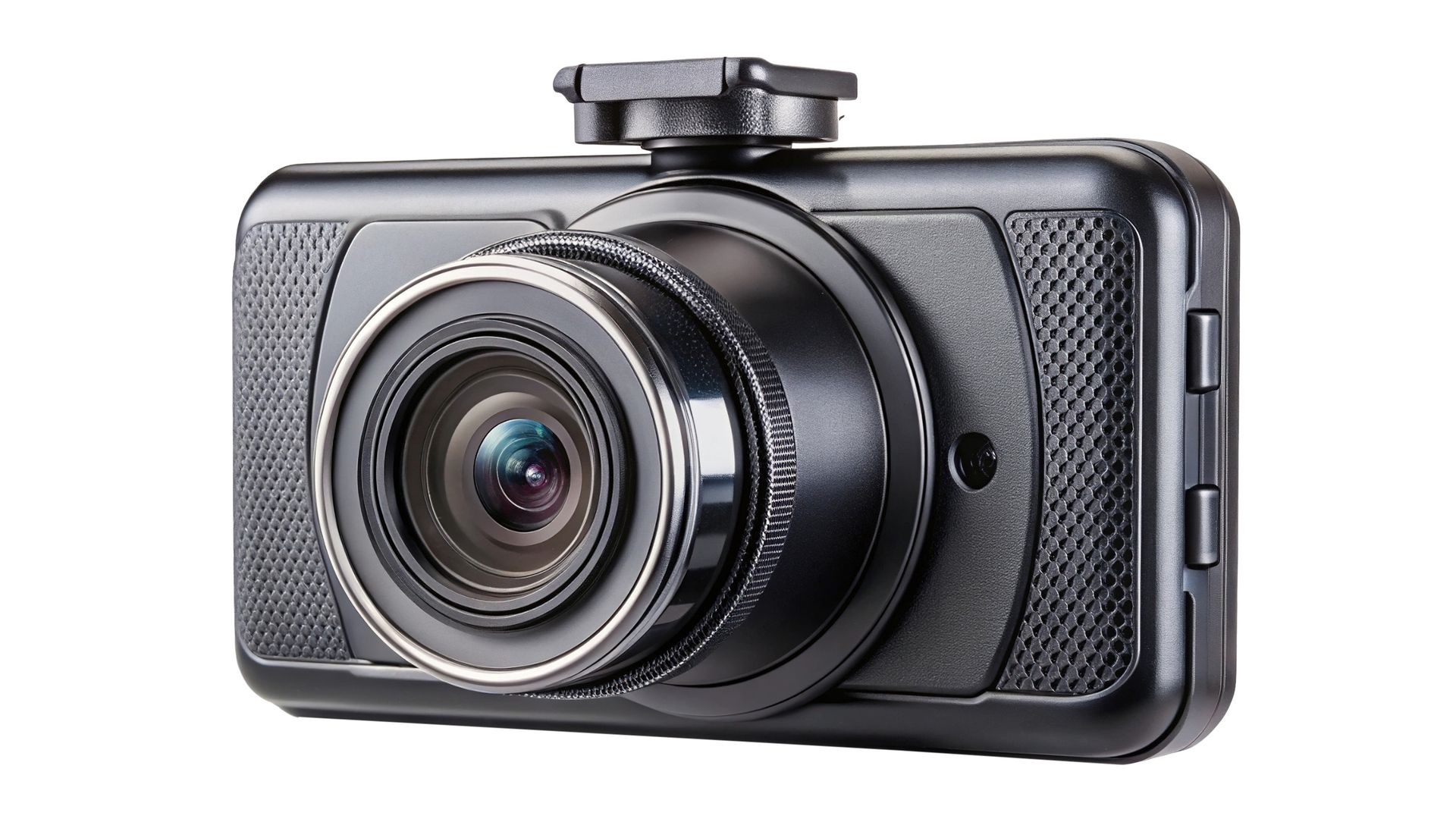
A few years ago, dashcams were considered optional gadgets.
In 2026, they’ve become one of the
most influential pieces of evidence in accident claims.
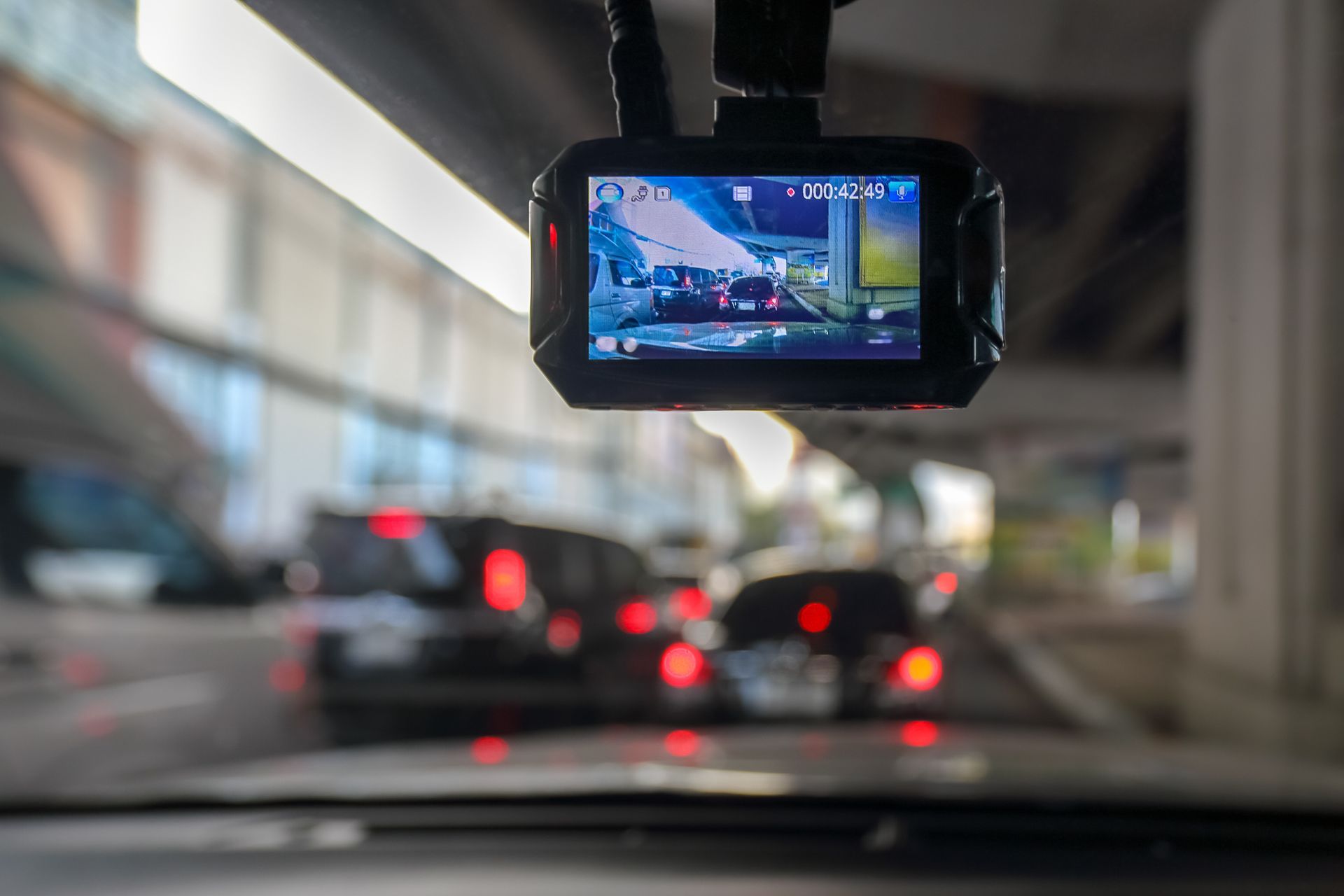
With more drivers installing dashcams — and more vehicles built with integrated cameras — accidents are increasingly being captured in real time. This shift is changing how insurance companies investigate crashes, how fault is determined, and how quickly claims move forward.
But dashcams aren’t a magic solution. While they can protect you, they can also hurt your claim if misunderstood or misused.
Here’s what accident victims and families need to know about how dashcams are reshaping accident claims in 2026.
Why Dashcams Are More Common Than Ever
Several trends have fueled the rise of dashcams:
- Affordable, high-quality cameras
- Built-in vehicle camera systems
- Rideshare and delivery requirements
- Increased insurance scrutiny
- Growing concerns about fraud and false claims
In 2026, video evidence is no longer unusual — it’s often expected.
How Dashcams Are Changing Accident Claims
When Dashcams Help Your Claim
Dashcam footage can be extremely beneficial when it:
- Clearly shows the other driver at fault
- Confirms traffic signals or signage
- Captures unsafe driving behavior
- Supports your version of events
- Prevents false accusations
In these situations, video evidence can strengthen your credibility and protect your rights.
When Dashcams Can Hurt Your Claim
Dashcams aren’t always helpful — and sometimes they backfire.
Footage may hurt your claim if it:
- Shows even minor mistakes
- Captures distractions (phone use, adjusting controls)
- Appears to show speeding or aggressive driving
- Cuts off before full context is visible
- Is interpreted without explanation
Insurance companies may use your own footage to reduce or deny compensation, even if the other driver caused the crash.

Who Owns Dashcam Footage?
In most cases:
- Footage from your dashcam belongs to you
- Footage from the other driver’s dashcam belongs to them
- Police may request footage
- Insurance companies may ask for copies
You are not always required to hand over footage immediately — especially without guidance.
Should You Share Dashcam Footage With Insurance?
This depends on the situation.
Before sharing:
- Review the footage carefully
- Understand what it shows and what it doesn’t
- Avoid sharing partial clips without context
- Consider getting guidance first
Once footage is shared, you cannot take it back.
Dashcams and Privacy Concerns in 2026
With advanced technology comes new privacy issues.
Dashcams may record:
- Audio conversations
- License plates
- Pedestrians
- Passengers
- Private property
Laws vary by state, and improper use or sharing of footage can create additional problems.
What to Do If Your Accident Was Recorded
1. Preserve the Footage Immediately
Save copies and back them up securely.
2. Do Not Edit or Alter the Video
Edited footage can be challenged or dismissed.
3. Avoid Posting Footage Online
Social media sharing can complicate claims and raise privacy issues.
4. Document Injuries Separately
Video supports the accident — documentation supports your recovery.
5. Get Guidance Before Sharing
Knowing when and how to share footage can make a major difference.
Why Dashcams Matter More in 2026
Insurance companies are using technology faster than ever. Accident victims deserve to understand how that technology affects them. Dashcams can be powerful tools — but only when used wisely.
Technology Should Protect You — Not Replace Support
Dashcams are changing accident claims, but they don’t change one thing: You still deserve fairness, clarity, and compassion after an accident. Call Christina Now We’re a free accident helpline here to help you understand how evidence — including dashcam footage — impacts your claim and what steps protect you best.
Technology moves fast. Your recovery deserves careful attention. One call can make all the difference.