
How to Document Your Injuries After an Accident
Why proper documentation matters — and simple steps that can protect your health and your future.

Why Injury Documentation Matters
Injury documentation does more than create paperwork. It tells your story clearly and consistently.
Proper documentation helps:
- Connect your injuries directly to the accident
- Show how symptoms change over time
- Support medical treatment decisions
- Protect you from insurance disputes
- Strengthen injury or accident claims
Without documentation, insurance companies may argue that:
- Your injuries weren’t serious
- Your pain existed before the accident
- You waited too long to seek care
- Your symptoms are unrelated

Step 1:
Seek Medical Care as Soon as Possible
Even if you feel “okay,” get checked by a medical professional.
Many injuries — including whiplash, concussions, soft tissue injuries, and internal trauma — do not show symptoms right away.
Why This Step Is Critical
- Medical records create the first official link between the accident and your injuries
- Delays in care are often used against accident victims
- Early diagnosis can prevent long-term complications
Be honest and specific when describing your symptoms.
Avoid minimizing pain just to “push through.”
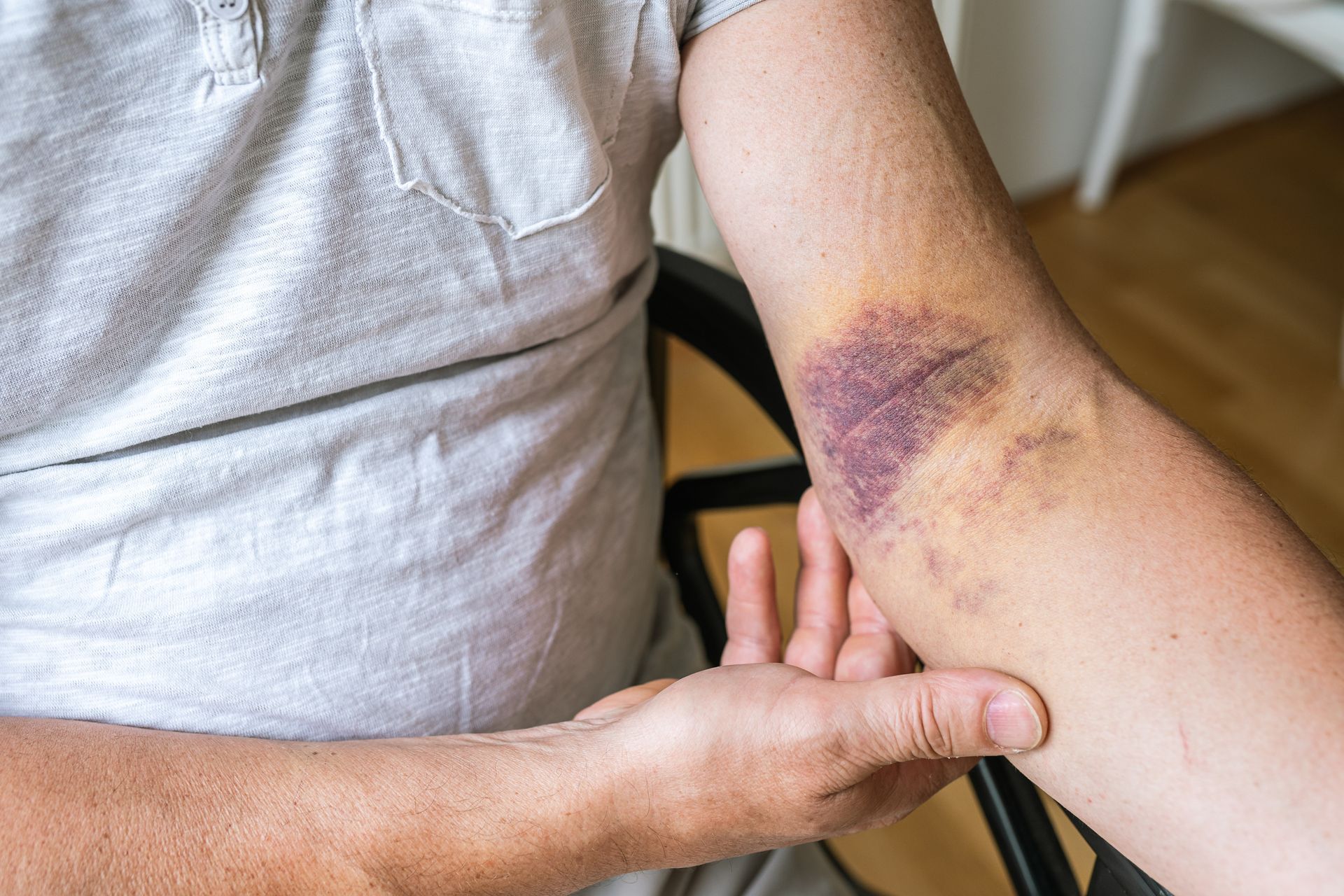

Step 3:
Keep a Daily Injury Journal
An injury journal is one of the most effective tools you can use.
What to Include
Each day, write down:
- Pain levels
- New or worsening symptoms
- Activities you couldn’t do
- Sleep issues
- Emotional effects (stress, anxiety, frustration)
- Missed work or appointments
Why It Helps
Pain isn’t always visible — but it is real.
A journal helps document how injuries affect your daily life, not just doctor visits.
Even short notes matter.


Step 5:
Document Missed Work and Lost Income
Injuries often affect your ability to work — even temporarily.
Track:
- Days missed
- Reduced hours
- Job duties you couldn’t perform
- Doctor’s notes restricting work
- Lost wages or benefits
This documentation is important if your injury impacts your finances or job stability.
Step 6:
Be Careful With What You Say and Share
Documentation isn’t just what you save — it’s also what you don’t accidentally give away.
Be Cautious With:
- Social media posts
- Casual comments like “I’m fine”
- Insurance conversations without preparation
Even innocent posts or statements can be taken out of context.
Stick to facts and protect your privacy while you heal.

Step 7:
Keep a Timeline of Events
Create a simple timeline that includes:
- Date of the accident
- When symptoms started
- Medical visits
- Missed work
- Insurance contacts
This helps keep everything clear and prevents confusion later.
Common Documentation Mistakes to Avoid
Many accident victims unknowingly weaken their case by:
- Waiting too long to seek care
- Skipping follow-up appointments
- Throwing away paperwork
- Downplaying pain
- Failing to track symptoms
- Assuming someone else is keeping records
You are your strongest advocate — and documentation supports you.
What If You’re Already Weeks Past the Accident?
It’s never too late to start.
If time has passed:
- Begin documenting symptoms now
- Gather existing records
- Write down what you remember
- Seek medical care if symptoms persist
Late documentation is better than none.
Protect Yourself While You Heal
Documenting injuries isn’t about exaggeration. It’s about clarity, honesty, and protection.
You deserve to heal without added stress or confusion — and proper documentation helps ensure your experience is understood and respected.
Call Christina Now We’re a free accident helpline here to help you understand your next steps, avoid common mistakes, and get the support you need after an injury. You don’t have to figure this out alone. One call can make things clearer.