New Year, New Risks: Why Accidents Spike in January
Understanding why the start of the year brings higher accident rates — and how to protect yourself and your family.
Understanding why the start of the year brings higher accident rates — and how to protect yourself and your family.
A Fresh Start That Comes With Hidden Risks
January feels like a clean slate. New goals. New routines. New beginnings.
But while many people focus on self-improvement and fresh starts, January is also one of the most dangerous months of the year for accidents. Emergency rooms, insurance companies, and first responders consistently see a spike in injuries and crashes during the first few weeks of the year.
So why does this happen — and what can you do to protect yourself?
Understanding the risks can help you stay safer during a time when life already feels busy, stressful, and overwhelming.
A Fresh Start That Comes With Hidden Risks
January feels like a clean slate. New goals. New routines. New beginnings.
But while many people focus on self-improvement and fresh starts, January is also one of the most dangerous months of the year for accidents. Emergency rooms, insurance companies, and first responders consistently see a spike in injuries and crashes during the first few weeks of the year.
So why does this happen — and what can you do to protect yourself?
Understanding the risks can help you stay safer during a time when life already feels busy, stressful, and overwhelming.
A Fresh Start That Comes With Hidden Risks
January feels like a clean slate. New goals. New routines. New beginnings.
But while many people focus on self-improvement and fresh starts, January is also one of the most dangerous months of the year for accidents. Emergency rooms, insurance companies, and first responders consistently see a spike in injuries and crashes during the first few weeks of the year.
So why does this happen — and what can you do to protect yourself?
Understanding the risks can help you stay safer during a time when life already feels busy, stressful, and overwhelming.
Why Do Accidents Increase in January?
Several factors collide at once in the new year, creating a perfect storm for accidents.

Nature's Symphony
Post-Holiday Fatigue and Stress
The holidays are emotionally and physically exhausting. By January, many people are:
- Sleep-deprived
- Mentally drained
- Financially stressed
- Rushing back into work and school routines
Fatigue slows reaction time, affects judgment, and increases the likelihood of mistakes — especially while driving.
Nature's Symphony
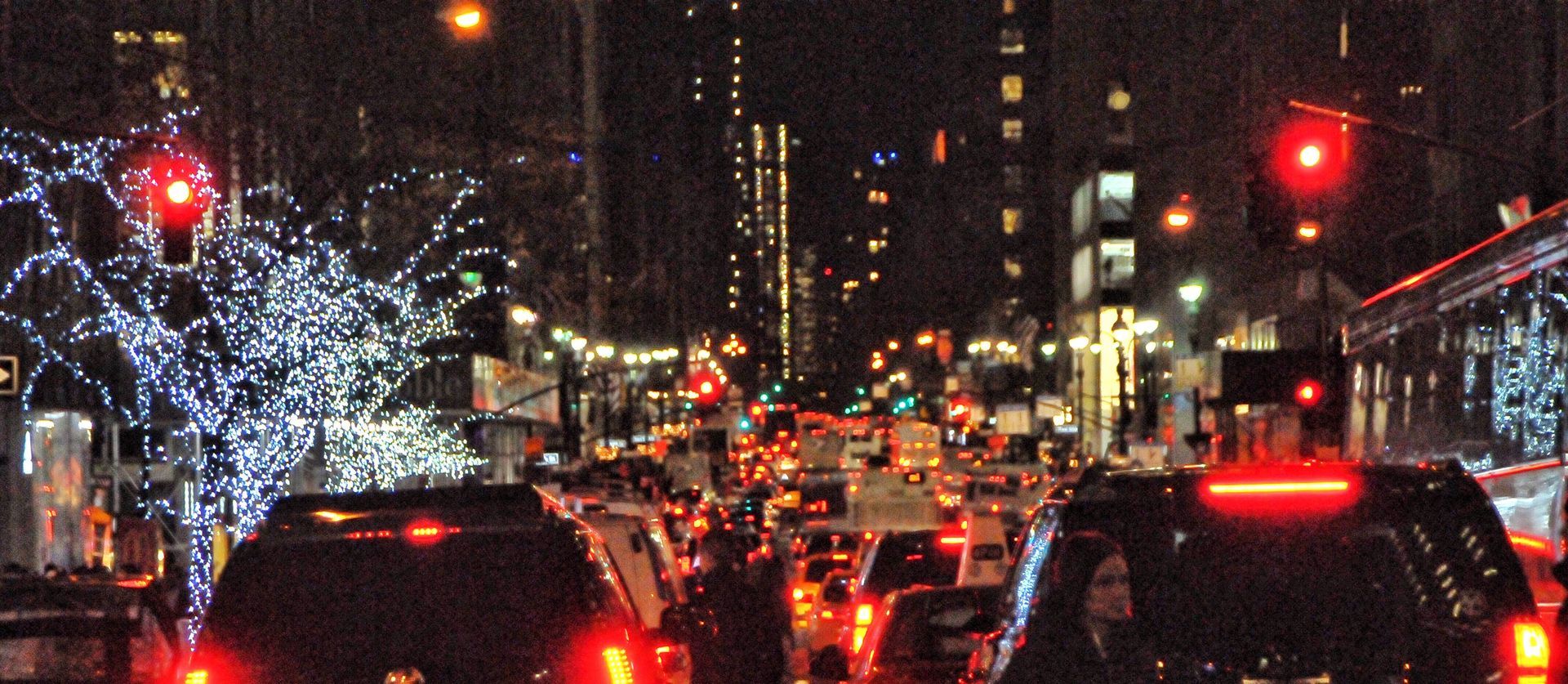
Increased Traffic and Commutes
January marks a return to normal routines.
That means:
- More cars back on the road
- Longer commutes
- School traffic returning
- Delivery and commercial vehicles ramping up
More vehicles on the road naturally increase the chances of collisions, especially during peak morning and evening hours.
Nature's Symphony
Post-Holiday Fatigue and Stress
The holidays are emotionally and physically exhausting. By January, many people are:
- Sleep-deprived
- Mentally drained
- Financially stressed
- Rushing back into work and school routines
Fatigue slows reaction time, affects judgment, and increases the likelihood of mistakes — especially while driving.
Nature's Symphony
Increased Traffic and Commutes
January marks a return to normal routines.
That means:
- More cars back on the road
- Longer commutes
- School traffic returning
- Delivery and commercial vehicles ramping up
More vehicles on the road naturally increase the chances of collisions, especially during peak morning and evening hours.
Nature's Symphony
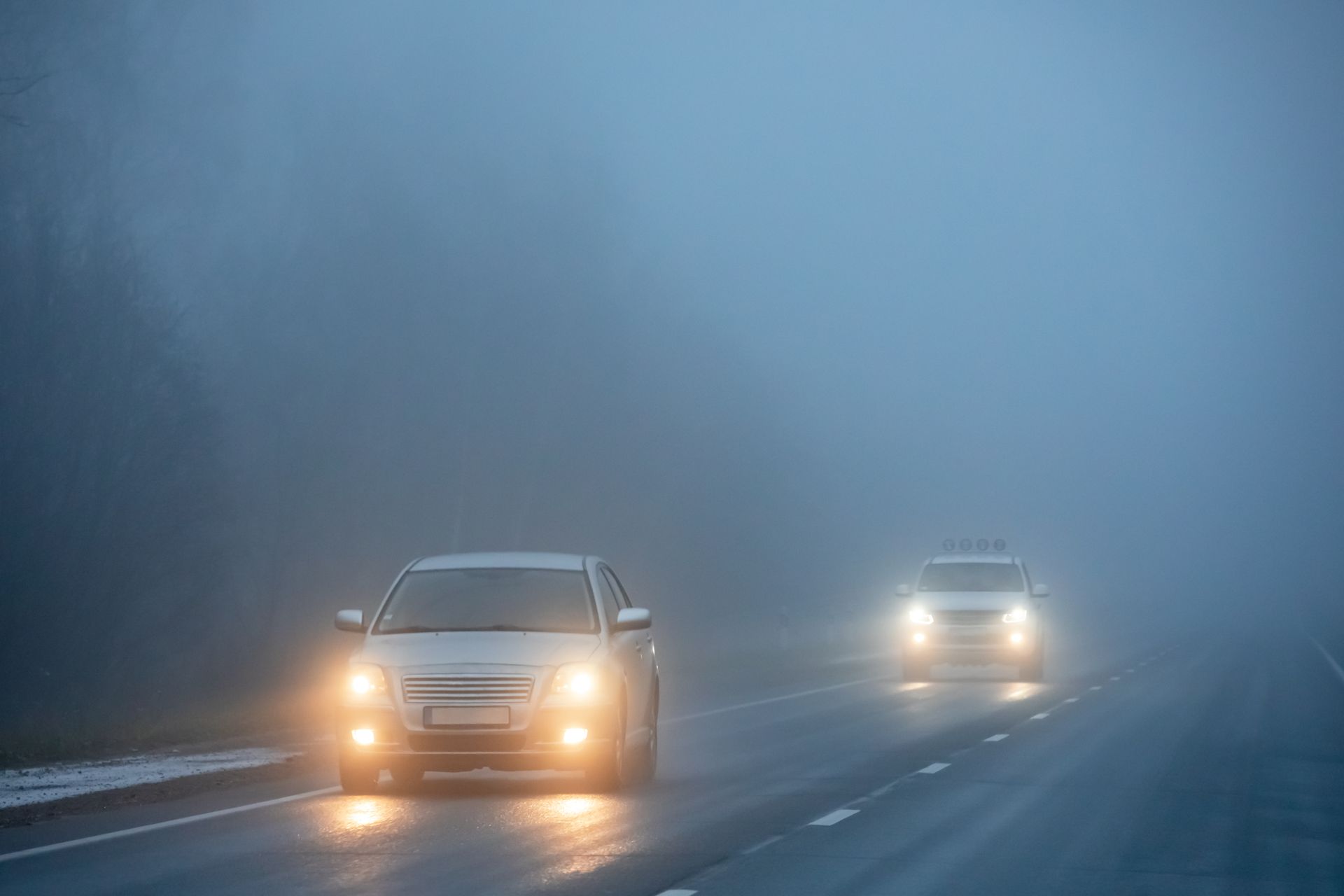
Weather Conditions and Road Hazards
Even in warmer states like Arizona, January brings unique driving risks:
- Early morning darkness
- Reduced visibility
- Fog
- Occasional rain or slick roads
- Cold tires with reduced traction
Drivers often underestimate how these conditions affect stopping distance and reaction time.

Nature's Symphony
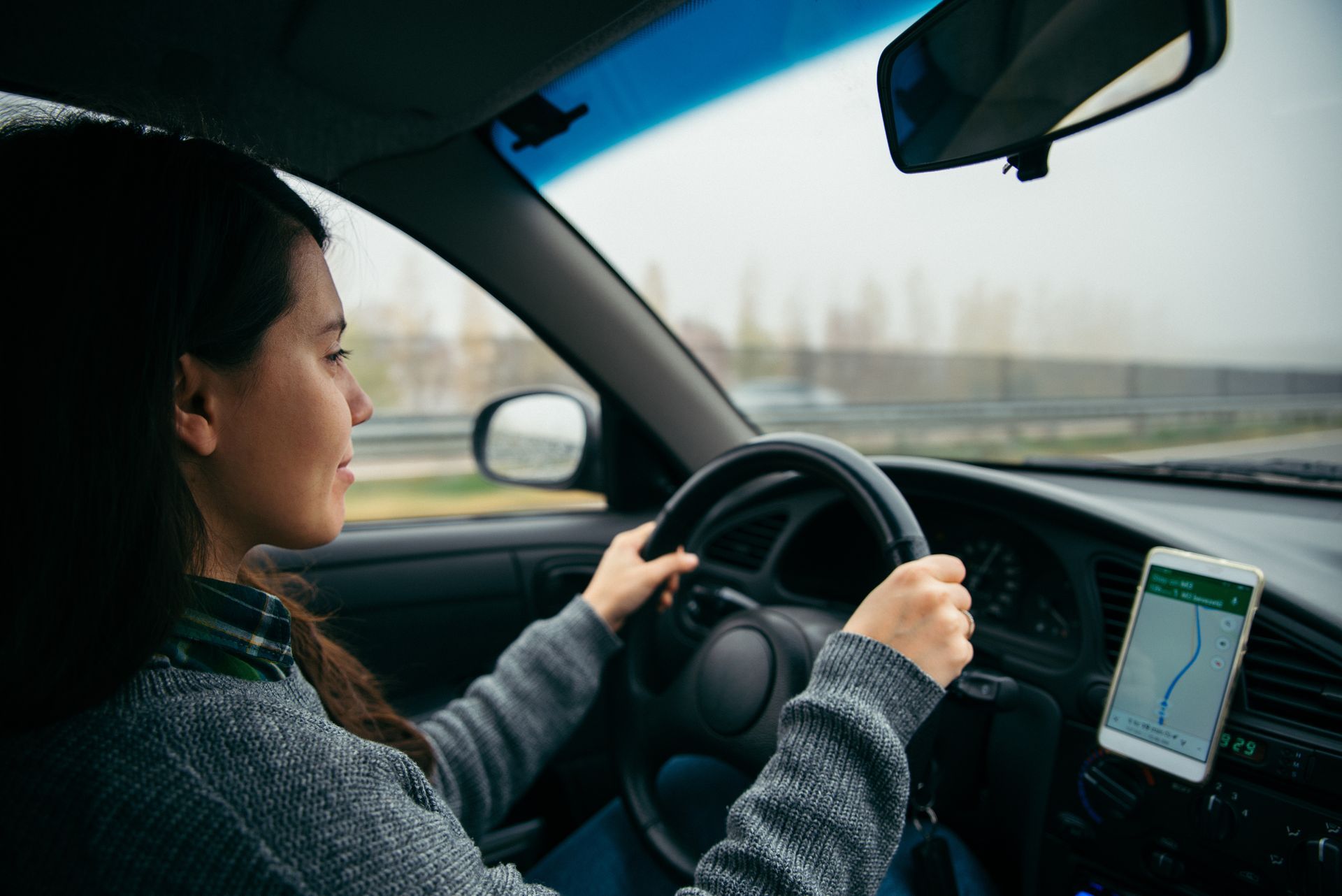
Distracted Driving From New Devices
January is one of the most common months for people to use new phones, smart devices, and car technology received as gifts.
New tech often leads to:
- Drivers adjusting settings while driving
- Increased screen time
- Distractions from navigation apps and notifications
Even a few seconds of distraction can lead to a serious accident.
Nature's Symphony
Weather Conditions and Road Hazards
Even in warmer states like Arizona, January brings unique driving risks:
- Early morning darkness
- Reduced visibility
- Fog
- Occasional rain or slick roads
- Cold tires with reduced traction
Drivers often underestimate how these conditions affect stopping distance and reaction time.
Nature's Symphony
Distracted Driving From New Devices
January is one of the most common months for people to use new phones, smart devices, and car technology received as gifts.
New tech often leads to:
- Drivers adjusting settings while driving
- Increased screen time
- Distractions from navigation apps and notifications
Even a few seconds of distraction can lead to a serious accident.

Nature's Symphony
“New Year, New Me” Activities
January is peak season for:
- Gym memberships
- New workout routines
- Physical labor jobs restarting
- DIY home projects
Unfortunately, sudden increases in physical activity often lead to:
- Workplace injuries
- Slip-and-fall accidents
- Muscle strains
- Overexertion injuries

Nature's Symphony
Impaired Driving Still Lingers
While most people associate impaired driving with the holidays, it doesn’t stop on January 1st.
Many accidents in early January involve:
- Impaired drivers
- Prescription medication side effects
- Fatigue-related impairment
These risks often go unnoticed until it’s too late.
Nature's Symphony
“New Year, New Me” Activities
January is peak season for:
- Gym memberships
- New workout routines
- Physical labor jobs restarting
- DIY home projects
Unfortunately, sudden increases in physical activity often lead to:
- Workplace injuries
- Slip-and-fall accidents
- Muscle strains
- Overexertion injuries
Nature's Symphony
Impaired Driving Still Lingers
While most people associate impaired driving with the holidays, it doesn’t stop on January 1st.
Many accidents in early January involve:
- Impaired drivers
- Prescription medication side effects
- Fatigue-related impairment
These risks often go unnoticed until it’s too late.

Common January Accidents to Watch For
Accident trends in January often include:
- Car and truck crashes
- Rear-end collisions
- Workplace injuries
- Slip-and-fall accidents
- Pedestrian accidents
- Overuse and strain injuries
These accidents can lead to long-term injuries, missed work, and financial stress — especially at the start of a new year.
Common January Accidents to Watch For
Accident trends in January often include:
- Car and truck crashes
- Rear-end collisions
- Workplace injuries
- Slip-and-fall accidents
- Pedestrian accidents
- Overuse and strain injuries
These accidents can lead to long-term injuries, missed work, and financial stress — especially at the start of a new year.
How to Protect Yourself in January
While you can’t control everything, there are steps you can take to reduce your risk.
Drive With Extra Caution
- Slow down during early morning and evening hours
- Increase following distance
- Avoid distractions — especially new devices
- Don’t drive when overly tired
Ease Into New Routines
Whether it’s work, exercise, or physical activity:
- Start slowly
- Warm up properly
- Take breaks
- Listen to your body
Pushing too hard too fast often leads to injury.
Pay Attention at Work
Workplace injuries increase in January due to rushed schedules and fatigue.
If you notice unsafe conditions, speak up. Small hazards can lead to serious injuries.
Trust Your Body After an Accident
Pain doesn’t always show up immediately.
If you’re involved in an accident — even a minor one — seek medical attention and document everything.
How to Protect Yourself in January
While you can’t control everything, there are steps you can take to reduce your risk.
Drive With Extra Caution
- Slow down during early morning and evening hours
- Increase following distance
- Avoid distractions — especially new devices
- Don’t drive when overly tired
Ease Into New Routines
Whether it’s work, exercise, or physical activity:
- Start slowly
- Warm up properly
- Take breaks
- Listen to your body
Pushing too hard too fast often leads to injury.
Pay Attention at Work
Workplace injuries increase in January due to rushed schedules and fatigue.
If you notice unsafe conditions, speak up. Small hazards can lead to serious injuries.
Trust Your Body After an Accident
Pain doesn’t always show up immediately.
If you’re involved in an accident — even a minor one — seek medical attention and document everything.

How to Protect Yourself in January
While you can’t control everything, there are steps you can take to reduce your risk.
Drive With Extra Caution
- Slow down during early morning and evening hours
- Increase following distance
- Avoid distractions — especially new devices
- Don’t drive when overly tired
Ease Into New Routines
Whether it’s work, exercise, or physical activity:
- Start slowly
- Warm up properly
- Take breaks
- Listen to your body
Pushing too hard too fast often leads to injury.
Pay Attention at Work
Workplace injuries increase in January due to rushed schedules and fatigue.
If you notice unsafe conditions, speak up. Small hazards can lead to serious injuries.
Trust Your Body After an Accident
Pain doesn’t always show up immediately.
If you’re involved in an accident — even a minor one — seek medical attention and document everything.
What to Do If You’re Injured in January
If an accident happens, taking the right steps early can protect your health and your future.
1. Get Medical Care
Even if you feel “okay,” delayed symptoms are common.
2. Document the Incident
Photos, reports, and notes matter more than people realize.
3. Be Careful With Insurance Conversations
Insurance companies often move quickly in January.
You don’t have to rush or give statements before understanding your rights.
4. Get Support
Accidents affect more than just your body — they impact your work, finances, and emotional well-being.
Why January Accidents Feel Especially Overwhelming
Getting hurt at the start of the year can feel defeating.
Many people think:
- “This wasn’t how the year was supposed to start.”
- “I can’t afford this right now.”
- “I should just push through it.”
But needing help does not mean you failed.
It means something unexpected happened — and you deserve support.

Why January Accidents Feel Especially Overwhelming
Getting hurt at the start of the year can feel defeating.
Many people think:
- “This wasn’t how the year was supposed to start.”
- “I can’t afford this right now.”
- “I should just push through it.”
But needing help does not mean you failed.
It means something unexpected happened — and you deserve support.
A Safer Start Is Possible
January may bring new risks, but awareness is power. By slowing down, paying attention, and knowing where to turn if something goes wrong, you can protect yourself and the people you care about. Call Christina Now, Not Later! We’re a free accident helpline here to help you understand your options, avoid common mistakes, and take the next right step after an injury. A new year doesn’t have to start with uncertainty.
Support is available — and it starts with one call.
A Safer Start Is Possible
January may bring new risks, but awareness is power. By slowing down, paying attention, and knowing where to turn if something goes wrong, you can protect yourself and the people you care about. Call Christina Now, Not Later! We’re a free accident helpline here to help you understand your options, avoid common mistakes, and take the next right step after an injury. A new year doesn’t have to start with uncertainty.
Support is available — and it starts with one call.