How to Report a Dog Bite Incident in Arizona: A Step-by-Step Guide
Viewer Discretion Advised
This article discusses dog bite injuries, animal attacks, and the physical and emotional effects that may follow a traumatic incident. Some readers may find this content difficult to read. Reader discretion is advised.
If you or someone you know has suffered a serious injury, seek immediate medical attention
or call 911 in an emergency.
How to Report a Dog Bite Incident in Arizona: A Step-by-Step Guide
A dog bite can happen unexpectedly and leave victims dealing with physical injuries, emotional distress, and uncertainty about what to do next.
Whether the bite seems minor or severe, taking the proper steps afterward is important. Reporting the incident, seeking medical attention, and documenting what happened can help protect your health and create a record of the event.
If you or a loved one has been bitten by a dog, this guide explains the steps you should consider taking and why each one matters.
2026 Update:
What Dog Bite Victims Should Know
Dog bite incidents continue to occur throughout Arizona every year. While many bites are minor, others can lead to serious injuries, infections, scarring, or emotional trauma.
Reporting the incident and seeking medical attention can help protect your well-being while also helping local authorities address potential public safety concerns.
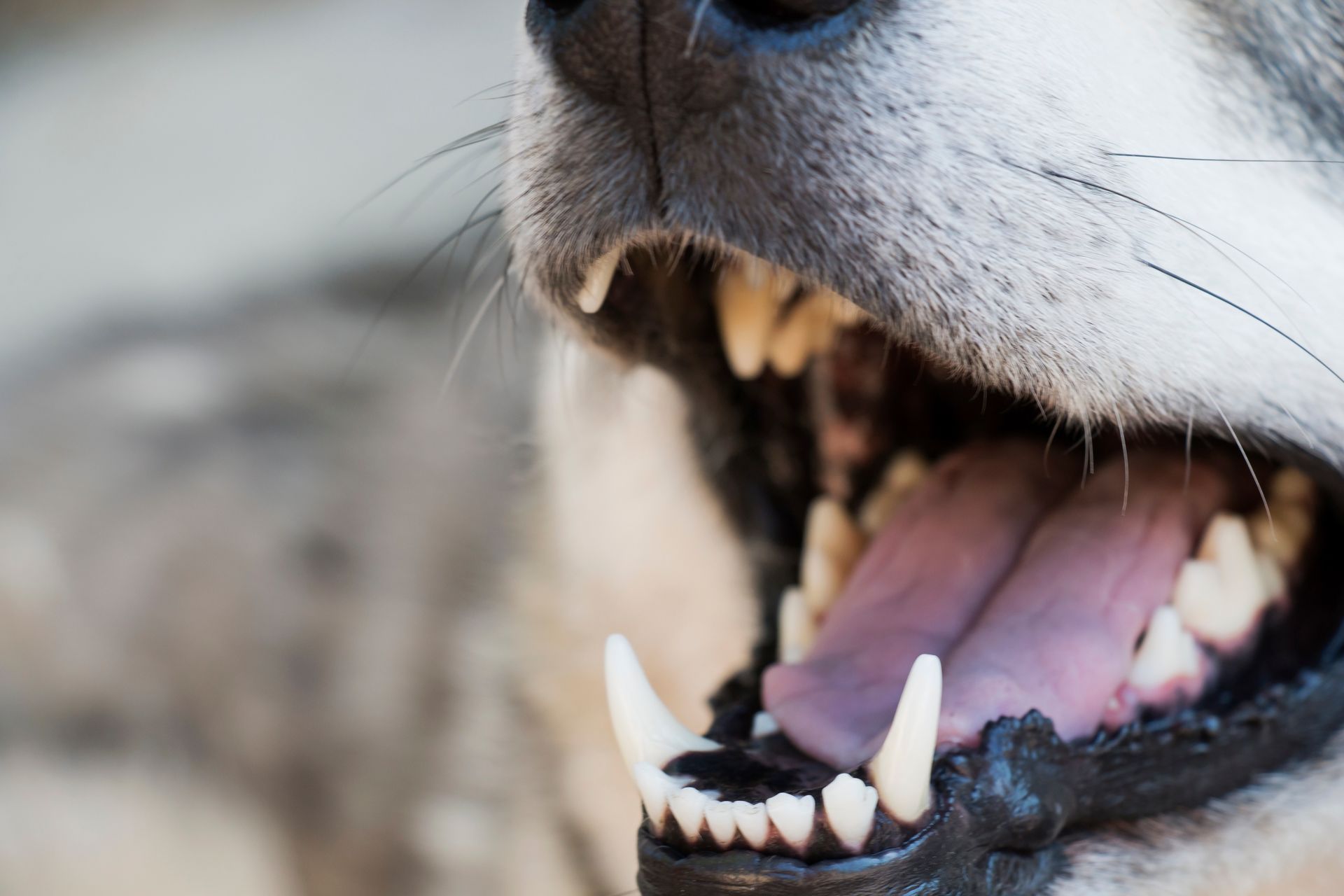
Why Reporting a Dog Bite Is Important
Many people hesitate to report a dog bite, especially if the dog's owner is a friend, family member, or neighbor.
However, reporting the incident can help:
- Document what occurred
- Verify vaccination information
- Protect public safety
- Create an official record
- Help prevent future incidents
Reporting a dog bite does not automatically mean a dog will be removed from its owner. In many situations, authorities simply investigate the incident and verify that proper safety procedures are followed.

Step 1: Seek Medical Attention
Your health should be the first priority. Even a small puncture wound can become infected if it is not properly treated.
Medical professionals can:
- Clean and evaluate the wound
- Check for signs of infection
- Determine whether additional treatment is needed
- Document your injuries
Common dog bite injuries include:
- Puncture wounds
- Lacerations
- Nerve damage
- Scarring
- Soft tissue injuries
Seeking prompt medical attention can also create important medical documentation related to the incident.


Step 3: Report the Incident
Dog bites should generally be reported to the appropriate local authorities.
Depending on where the incident occurred, this may include:
- Animal control
- County health departments
- Local law enforcement
Provide as much information as possible, including:
- Date and time
- Location
- Description of the dog
- Description of injuries
- Owner information if known
Reporting helps authorities investigate the incident and determine whether additional action is necessary.


Step 5: Monitor Your Recovery
Dog bite injuries may require ongoing treatment and observation.
Watch for signs of:
- Infection
- Increased pain
- Swelling
- Fever
- Changes in mobility
Contact a healthcare provider if symptoms worsen or new symptoms develop.
Recovery may take time, and keeping track of your progress can help ensure you receive appropriate care.


What If the Dog Owner
Is Someone You Know?
Many dog bite incidents involve dogs belonging to friends, neighbors, or family members. This can make reporting the incident feel uncomfortable.
However, reporting remains important because it helps:
- Verify vaccination status
- Document the incident
- Protect public safety
- Ensure proper follow-up occurs
Taking steps to protect your health does not mean you are trying to harm your relationship with the dog's owner.
Frequently Asked Questions
Should I report a dog bite if it seems minor?
Yes. Even minor bites can become infected and should be properly documented.
What if I don't know who owns the dog?
Report the incident and provide as much information as possible about the dog and location.
Do I need medical treatment after a dog bite?
Medical evaluation is recommended because even small wounds can become infected.
Can a dog bite cause emotional trauma?
Yes. Some individuals experience anxiety, fear, or emotional distress after a dog attack.
A dog bite can be a frightening experience, but knowing what steps to take afterward can help protect your health and create a clear record of what happened.
Seeking medical attention, reporting the incident, gathering documentation, and monitoring your recovery are all important steps that can support both your physical and emotional well-being.
Take Action Today!
If you have questions after a dog bite incident, Call Christina Now can help connect you with medical resources, support services, and trusted professionals who can help you better understand your options.