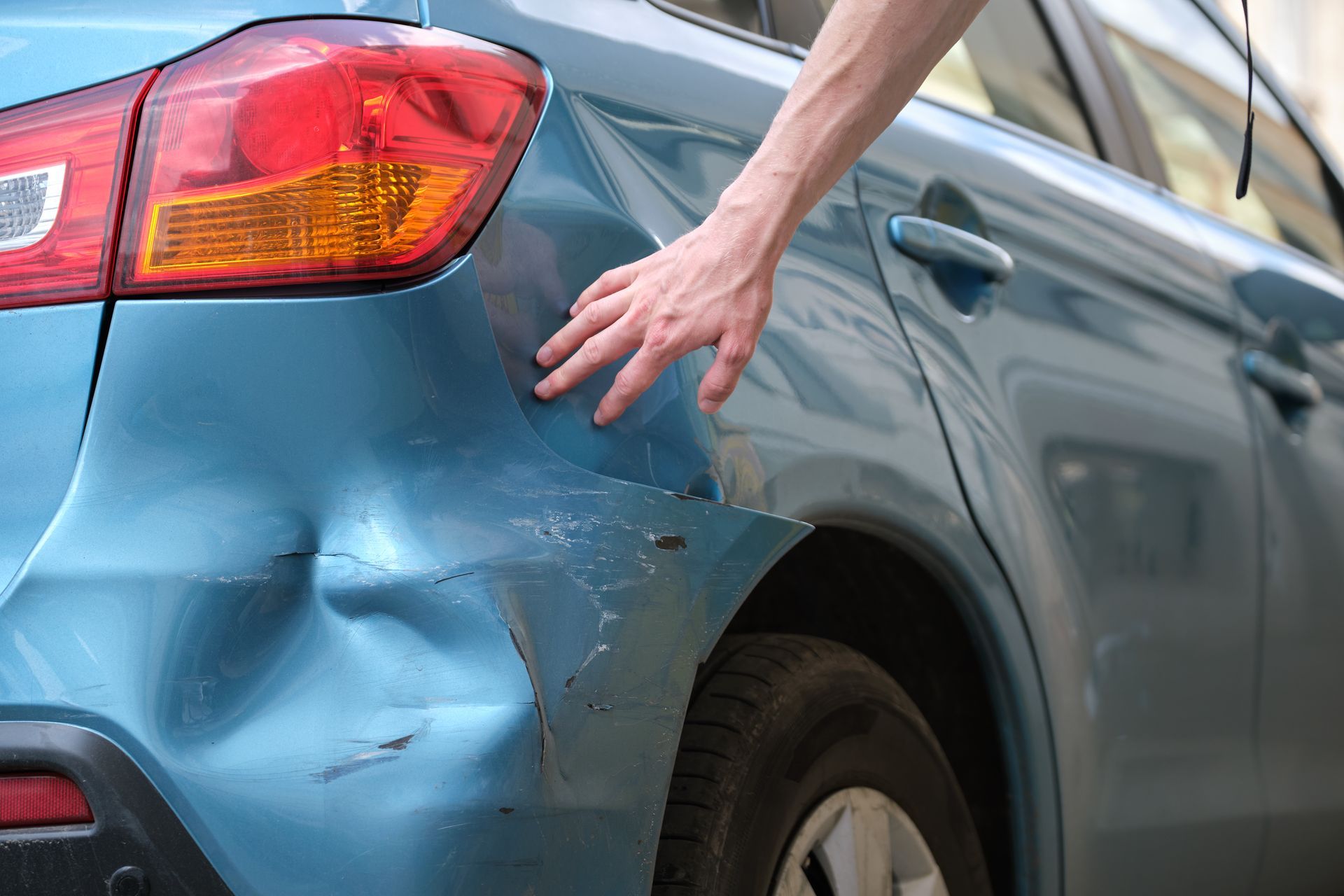
Arizona Monsoon Driving Safety: How Rain, Dust Storms, and Flash Floods Increase Accident Risks
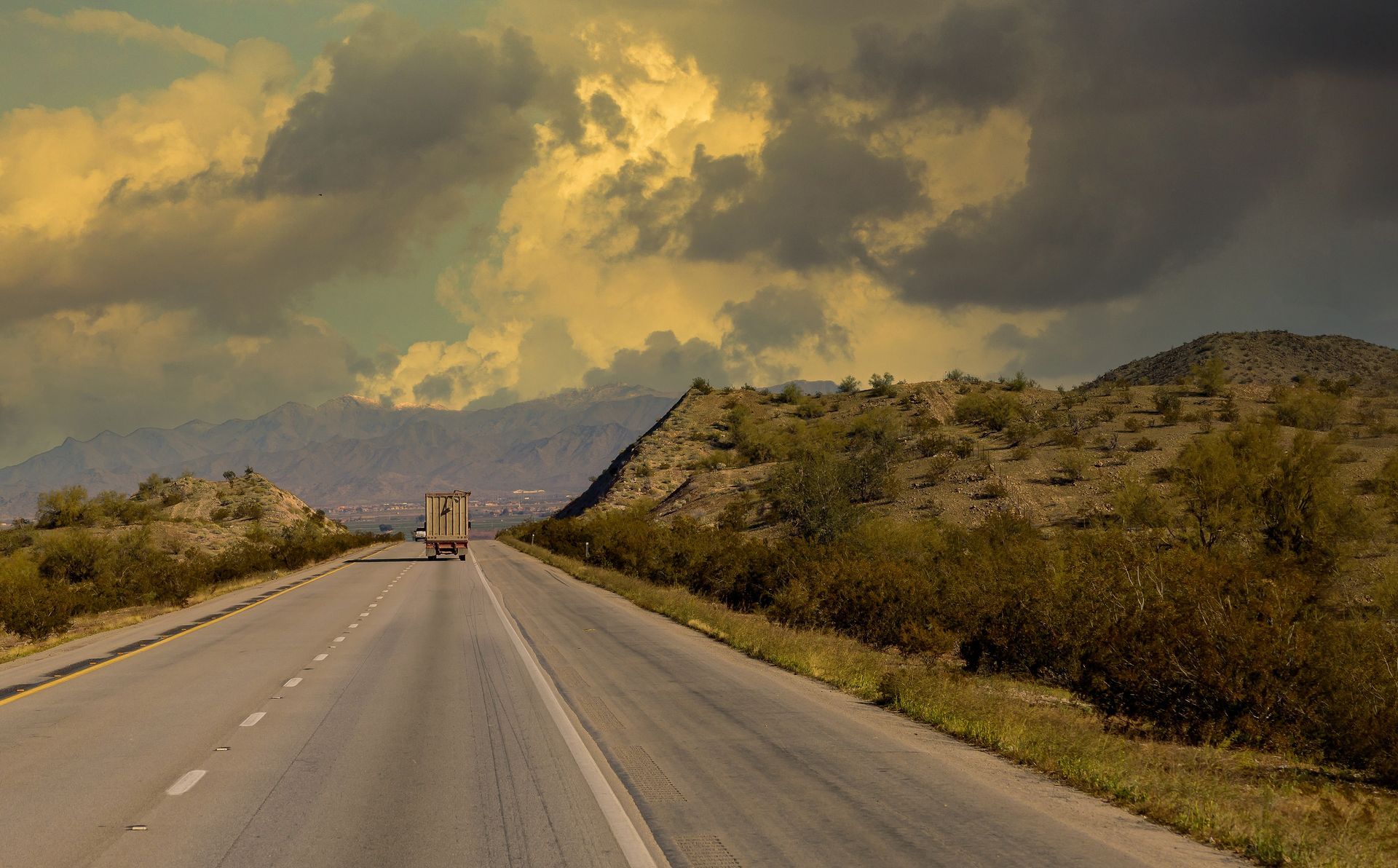
Arizona's monsoon season brings welcome rain after months of dry weather, but it also creates some of the most dangerous driving conditions of the year. From sudden downpours and dust storms to flooded roadways and reduced visibility, weather can change in minutes. Knowing how to respond can help reduce your risk of an accident.
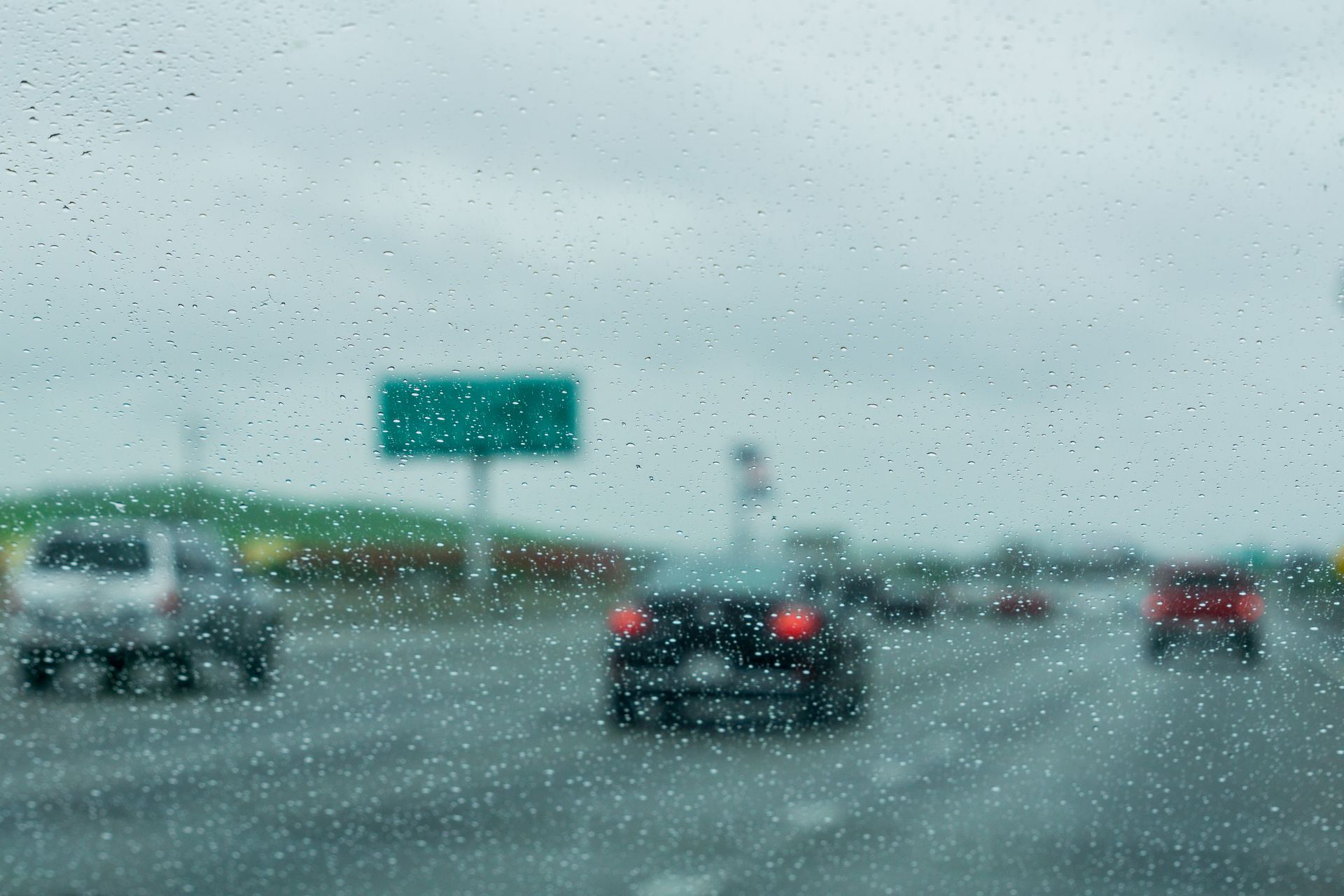
Arizona Safety Tip:
During the first rainfall after a long dry period, roads are often at their slickest because oil and debris accumulate on the pavement. Reduce your speed, increase your following distance, and avoid sudden braking until road conditions improve.
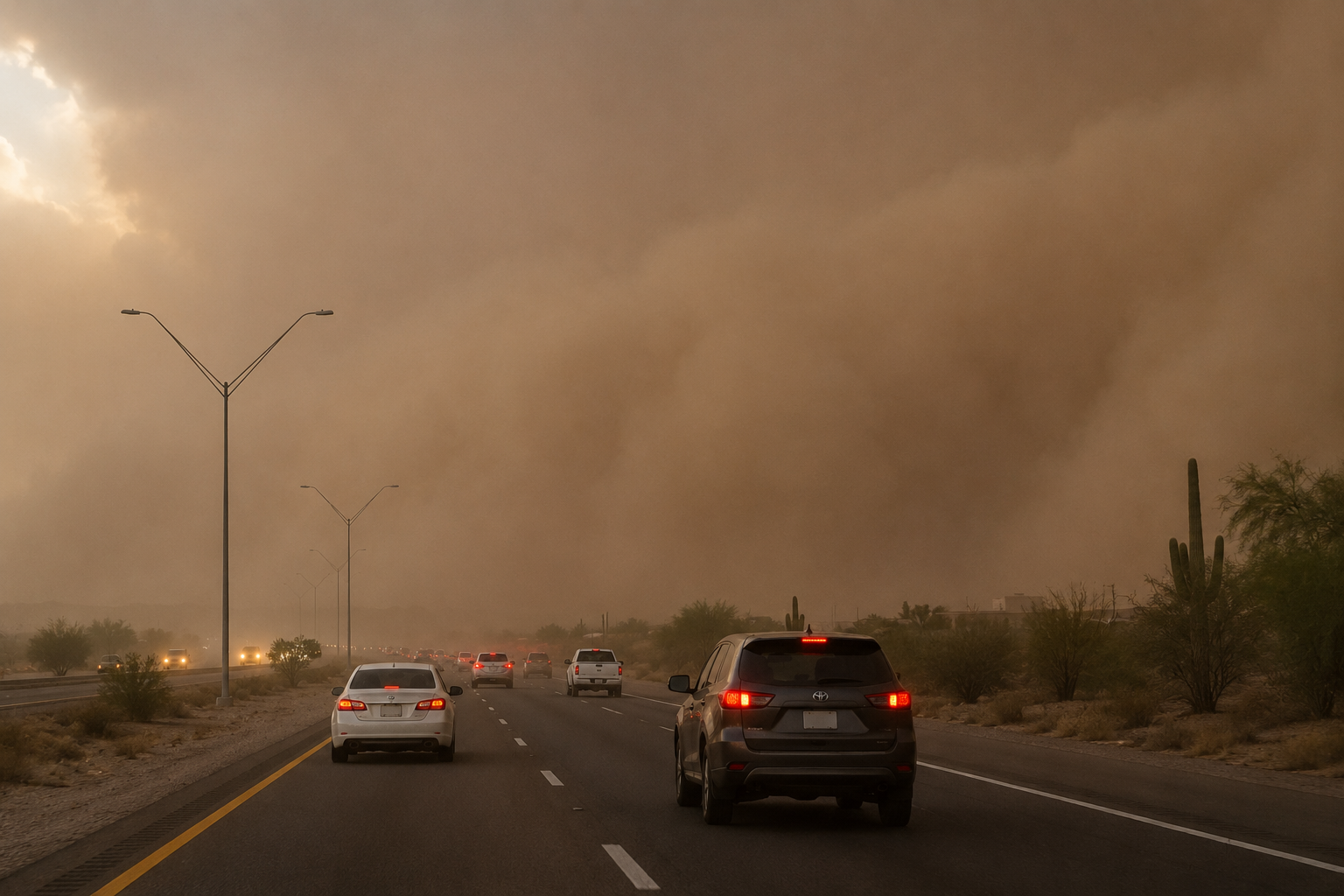
Dust Storms Can
Reduce Visibility in Seconds
Arizona is known for large dust storms, often called haboobs, which can develop with little warning.
These storms can reduce visibility from several miles to almost zero within seconds.
If you encounter a dust storm:
- Slow down carefully.
- Exit the roadway if it is safe to do so.
- Pull completely off the road.
- Turn off your headlights.
- Set your parking brake.
- Keep your foot off the brake pedal while stopped.
The Arizona Department of Transportation's Pull Aside, Stay Alive campaign encourages drivers to avoid stopping in travel lanes where other vehicles may mistake taillights for moving traffic.
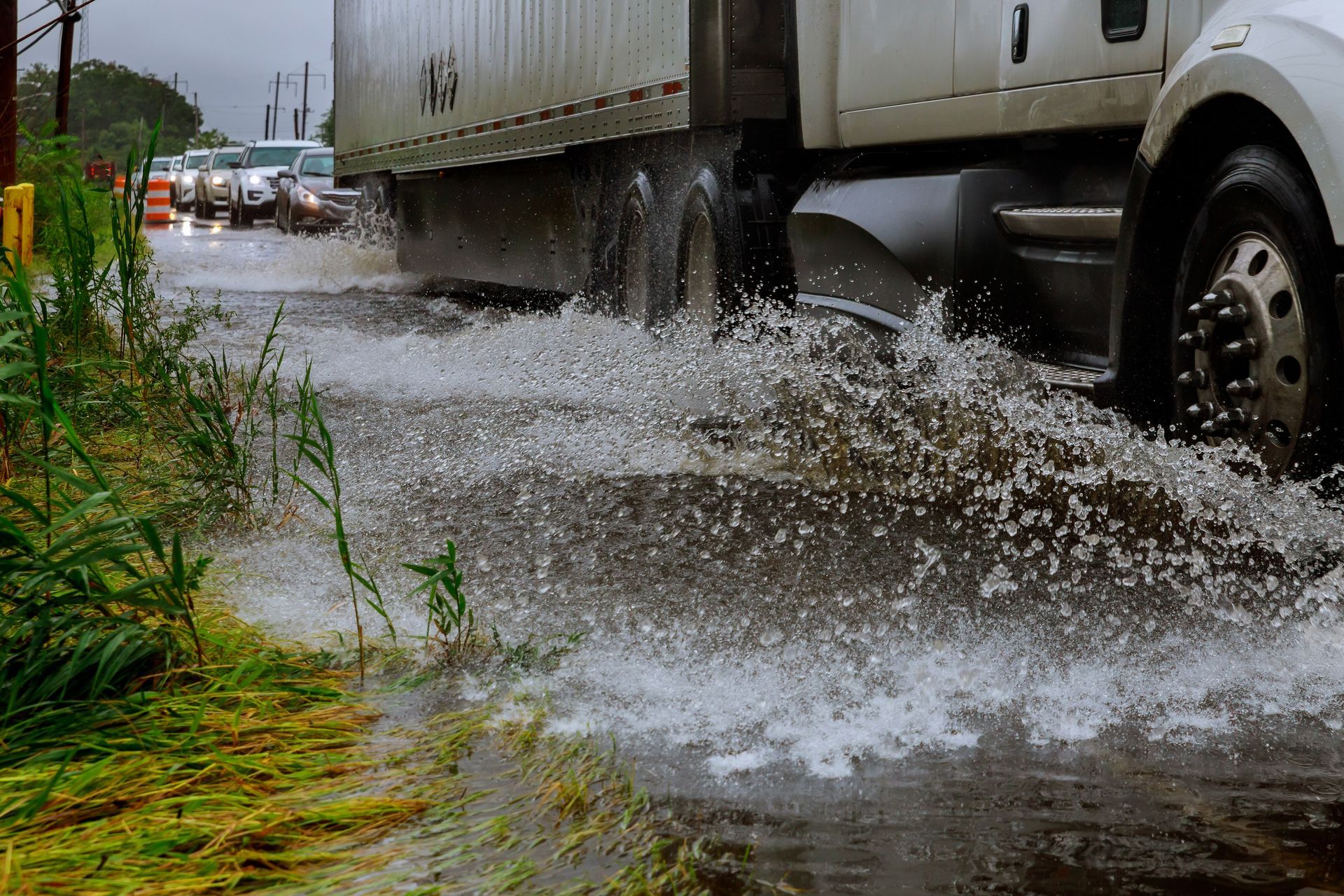
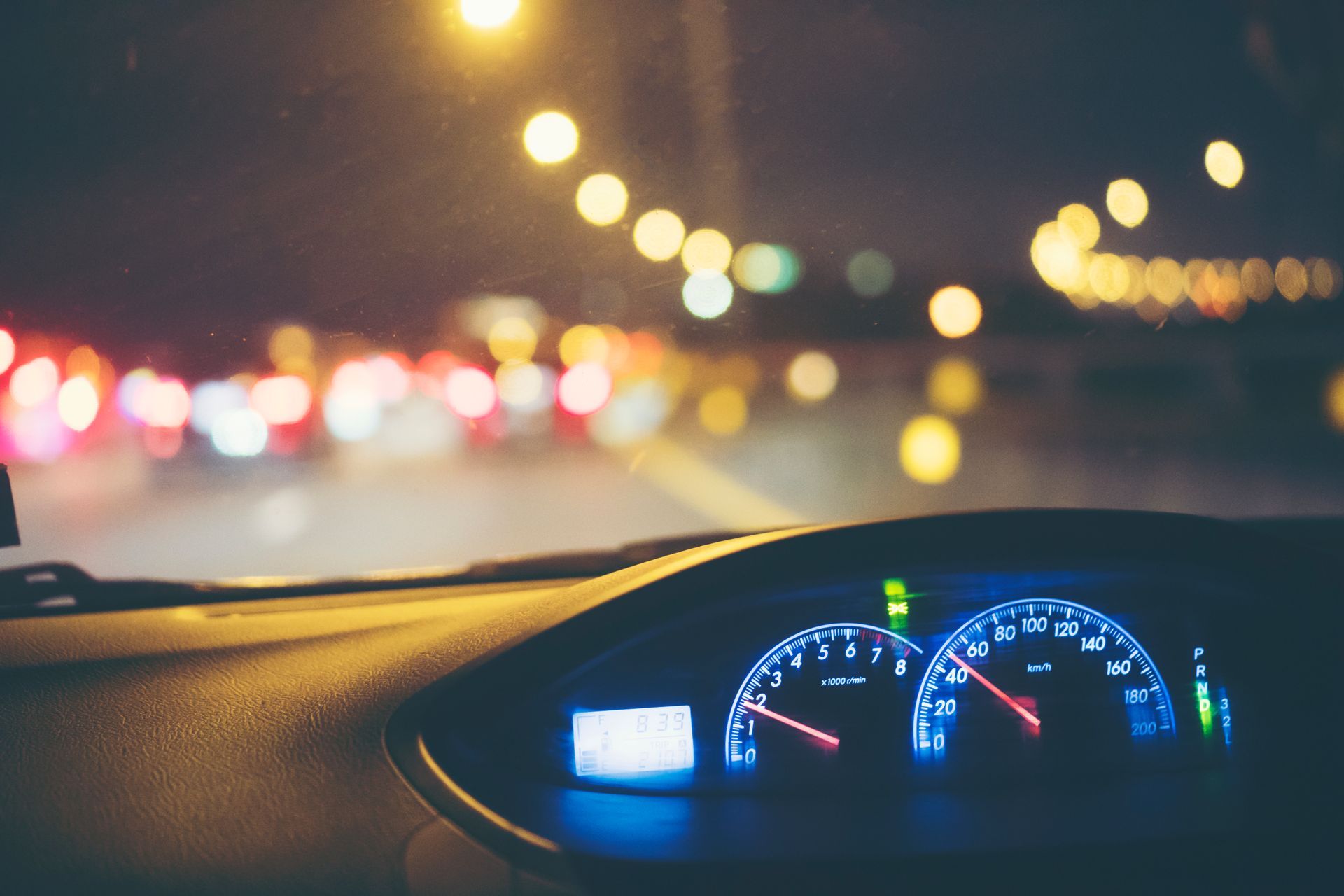
Reduced Visibility Requires Extra Caution
Rain, dust, and blowing debris can all reduce visibility during monsoon storms.
Drivers may have difficulty seeing:
- Lane markings
- Traffic signals
- Other vehicles
- Pedestrians
- Cyclists
Turn on your headlights whenever visibility decreases, and reduce your speed to match road conditions. Giving yourself additional reaction time can help prevent sudden collisions.
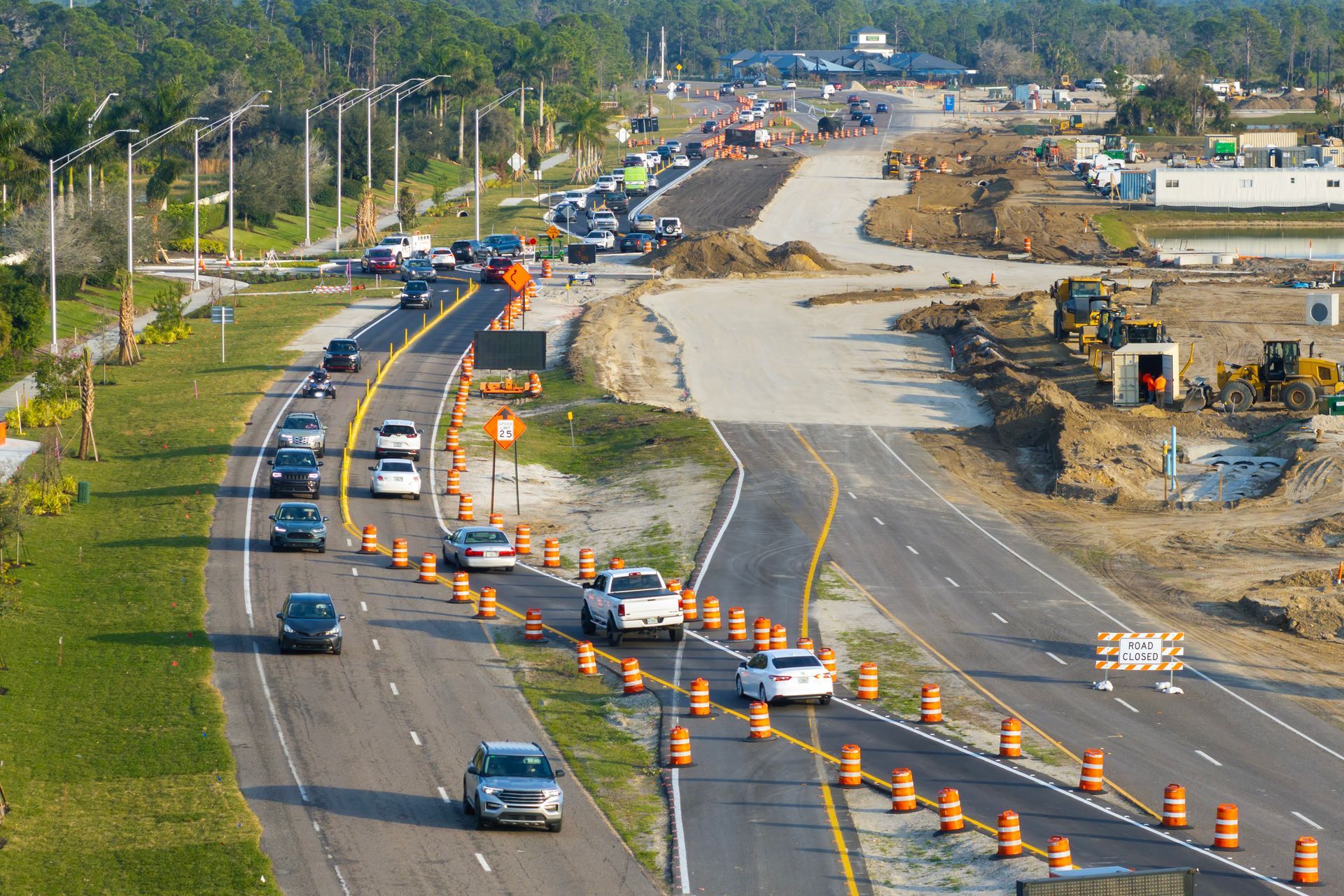
Construction Zones Become Even More Dangerous
Construction zones already require extra attention.
When heavy rain and reduced visibility are added, these areas become even more hazardous.
Drivers should watch for:
- Narrow lanes
- Temporary lane shifts
- Standing water
- Sudden traffic slowdowns
If you'll be driving through road work during monsoon season, our guide, Construction Zone Accidents: What Drivers Need to Know, explains how changing traffic patterns and reduced visibility can increase accident risks.
Traveling During Arizona's Monsoon Season
If you're planning a summer road trip, check weather forecasts before leaving and be prepared for changing conditions.
Helpful preparation includes:
- Checking your tires
- Making sure windshield wipers are working properly
- Keeping your fuel tank above half full
- Charging your phone
- Packing water and emergency supplies
If you're traveling across Arizona this summer, our guide, Road Trip Safety Tips: How to Stay Safe on Long Drives, offers additional tips to help you prepare before you hit the road.
What to Do If You're Involved in an Accident During a Storm
Even when drivers take precautions, accidents can still happen.
If you're involved in a collision during severe weather:
- Stay calm.
- Check for injuries.
- Move to a safe location if possible.
- Call emergency services if needed.
- Document the scene when it is safe to do so.
- Seek medical evaluation, even if injuries seem minor.
If you're unsure what to do after an accident, our guide, What to Do After a Summer Accident (Step-by-Step), walks through the important steps to take following a collision.
Arizona's monsoon season creates unique driving challenges that every driver should understand.
Heavy rain, hydroplaning, dust storms, flash flooding, and reduced visibility can all increase accident risks in a matter of minutes.
By slowing down, staying alert, and preparing before you travel, you can help protect yourself, your passengers, and others on Arizona roads throughout monsoon season.
If you or someone you care about has been involved in an accident during Arizona's monsoon season and you're unsure what to do next, Call Christina Now is here to provide guidance, support, and connections to trusted resources.

Arizona's monsoon season can turn clear roads into dangerous driving conditions within minutes. Learn how to stay safe during heavy rain, dust storms, and flash floods.
This article is part of our Summer Safety & Accident Awareness Series.
Explore more resources to stay safe this season.