How Accidents Affect Mental Health: Understanding PTSD, Anxiety, and Depression After an Accident

June 10, 2026

Viewer Discretion Advised

This article discusses trauma, PTSD, anxiety, depression, and the emotional effects of accidents,

which may be difficult for some readers.

Reader discretion is advised.

Emotional Recovery Matters Too

Woman reflecting while working at a table with a notebook and coffee, representing emotional recovery, self-reflection, and coping after a traumatic experience.

When people think about accidents, they often focus on physical injuries.


Broken bones, cuts, and medical treatments are usually the most visible parts of recovery. However, many accident victims experience emotional and mental health challenges that can last long after physical injuries begin to heal.


Feelings of fear, anxiety, sadness, or emotional distress are common after a traumatic event. For some individuals, these feelings improve over time. For others, they can become overwhelming and affect daily life.


Understanding the mental health impact of an accident can help people recognize when support may be needed and remind them that emotional recovery is just as important as physical recovery.

Emotional Recovery Matters Too

When people think about accidents, they often focus on physical injuries.


Broken bones, cuts, and medical treatments are usually the most visible parts of recovery. However, many accident victims experience emotional and mental health challenges that can last long after physical injuries begin to heal.


Feelings of fear, anxiety, sadness, or emotional distress are common after a traumatic event. For some individuals, these feelings improve over time. For others, they can become overwhelming and affect daily life.


Understanding the mental health impact of an accident can help people recognize when support may be needed and remind them that emotional recovery is just as important as physical recovery.

Woman reflecting while working at a table with a notebook and coffee, representing emotional recovery, self-reflection, and coping after a traumatic experience.
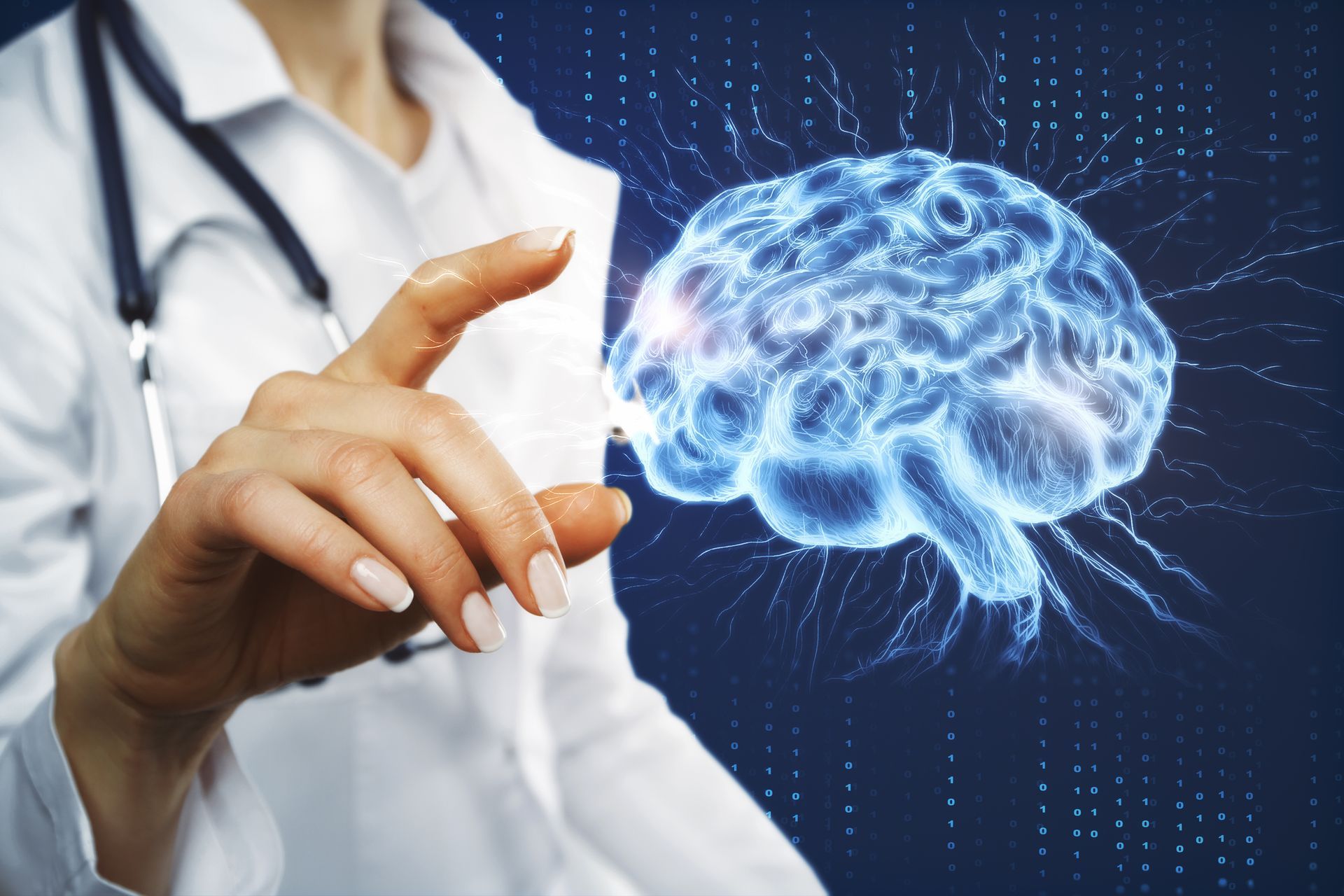
Medical professional interacting with a digital brain illustration, representing brain health, cognitive function, and neurological effects of traumatic injuries.

Why Accidents Can Be Emotionally Traumatic

An accident can happen in a matter of seconds, but its effects may last much longer.

Many people experience:

  • Shock
  • Fear
  • Confusion
  • Helplessness

Even if physical injuries are minor, the emotional impact of a sudden and unexpected event can be significant. The brain may continue processing the trauma long after the accident has ended.

Anxiety After an Accident

Anxiety is one of the most common emotional responses following an accident.

Some people may experience:

  • Constant worry
  • Feeling on edge
  • Difficulty relaxing
  • Fear of driving
  • Fear of being a passenger

Simple activities that once felt routine may suddenly become stressful.

For example, someone involved in a car accident may feel nervous every time they approach an intersection or drive on a highway.

These reactions are common and often part of the body's natural response to trauma.

Anxiety After an Accident

Anxiety is one of the most common emotional responses following an accident.

Some people may experience:

  • Constant worry
  • Feeling on edge
  • Difficulty relaxing
  • Fear of driving
  • Fear of being a passenger

Simple activities that once felt routine may suddenly become stressful.

For example, someone involved in a car accident may feel nervous every time they approach an intersection or drive on a highway.

These reactions are common and often part of the body's natural response to trauma.

Woman sitting alone on a bed at night appearing distressed, illustrating depression, anxiety, and emotional struggles following a traumatic event.

Post-Traumatic Stress Disorder (PTSD)

Some accident victims develop symptoms of Post-Traumatic Stress Disorder, commonly known as PTSD.

PTSD may involve:

  • Flashbacks of the accident
  • Nightmares
  • Intrusive thoughts
  • Avoiding reminders of the event
  • Increased anxiety or fear

A person may replay the accident repeatedly in their mind or feel intense stress when encountering situations that remind them of what happened.

PTSD is a serious condition, and recognizing symptoms early can be important.
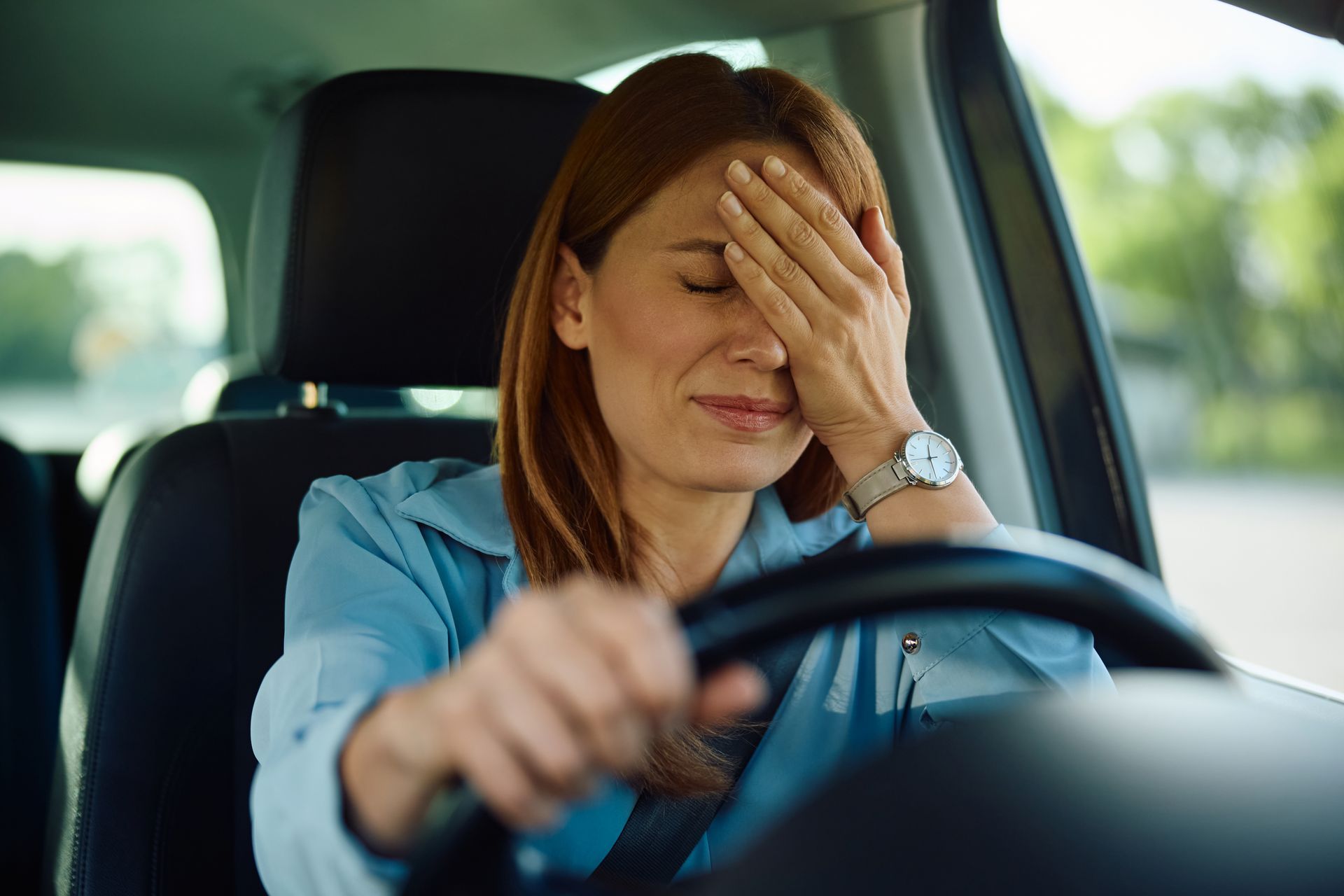
Upset driver covering her face behind the wheel, representing emotional stress, anxiety, and mental health challenges following an accident.

Depression After an Accident

Depression can also develop following a traumatic event.

This may happen because of:

  • Physical limitations
  • Chronic pain
  • Financial stress
  • Lifestyle changes
  • Emotional exhaustion

Common signs of depression may include:

  • Loss of interest in activities
  • Persistent sadness
  • Fatigue
  • Difficulty concentrating
  • Feelings of hopelessness

Recovery can become more difficult when emotional struggles go unrecognized.

Depression After an Accident

Depression can also develop following a traumatic event.

This may happen because of:

  • Physical limitations
  • Chronic pain
  • Financial stress
  • Lifestyle changes
  • Emotional exhaustion

Common signs of depression may include:

  • Loss of interest in activities
  • Persistent sadness
  • Fatigue
  • Difficulty concentrating
  • Feelings of hopelessness

Recovery can become more difficult when emotional struggles go unrecognized.

Upset driver covering her face behind the wheel, representing emotional stress, anxiety, and mental health challenges following an accident.
Woman lying awake in bed at night, showing insomnia, anxiety, and sleep difficulties often experienced after an accident or traumatic event.

Sleep Problems and

Emotional Recovery

Many accident victims report changes in their sleep patterns.

Some may experience:

  • Trouble falling asleep
  • Frequent waking during the night
  • Nightmares
  • Restlessness

Poor sleep can worsen anxiety, depression, and stress.

When the body does not receive adequate rest, emotional recovery often becomes more challenging.

Parents sitting on the floor looking exhausted while children play energetically in the background, illustrating family stress and emotional strain after a traumatic event.

Mental Health Can Affect the Entire Family

The emotional effects of an accident are not always limited to the person directly involved.

Family members may also experience:

  • Stress
  • Anxiety
  • Caregiver fatigue
  • Emotional strain

Changes in routines, finances, and responsibilities can impact everyone in the household.

Open communication and support can help families navigate these challenges together.

Mental Health Can Affect the Entire Family

The emotional effects of an accident are not always limited to the person directly involved.

Family members may also experience:

  • Stress
  • Anxiety
  • Caregiver fatigue
  • Emotional strain

Changes in routines, finances, and responsibilities can impact everyone in the household.

Open communication and support can help families navigate these challenges together.

Parents sitting on the floor looking exhausted while children play energetically in the background, illustrating family stress and emotional strain after a traumatic event.

Signs It May Be Time

to Seek Support

Everyone processes trauma differently.

However, it may be helpful to seek professional support if symptoms:

  • Persist for weeks or months
  • Interfere with daily life
  • Affect relationships
  • Make work or school difficult
  • Continue getting worse

Seeking help is not a sign of weakness. It is a step toward healing.

Healthy Ways to Support Emotional Recovery

While recovery looks different for everyone, some strategies may help:

  • Talking with trusted friends or family
  • Seeking professional counseling
  • Practicing stress-management techniques
  • Maintaining healthy routines
  • Getting adequate rest
  • Participating in support groups

Healing often takes time, and progress may happen gradually.

Person embracing a loved one during an emotional moment, representing compassion, grief support, and recovery from emotional trauma.

You Are Not Alone

Many people experience emotional struggles after an accident.

Unfortunately, mental health symptoms are often overlooked because they are not visible.

Recognizing emotional challenges and seeking support when needed can play an important role in the recovery process.

No one should feel like they have to navigate these experiences alone.


The effects of an accident can extend far beyond physical injuries.

PTSD, anxiety, depression, and other emotional challenges can impact daily life, relationships, and overall well-being.

Understanding these effects is an important step toward recovery. Emotional healing deserves the same attention and care as physical healing.

You Are Not Alone

Many people experience emotional struggles after an accident.

Unfortunately, mental health symptoms are often overlooked because they are not visible.

Recognizing emotional challenges and seeking support when needed can play an important role in the recovery process.

No one should feel like they have to navigate these experiences alone.


The effects of an accident can extend far beyond physical injuries.

PTSD, anxiety, depression, and other emotional challenges can impact daily life, relationships, and overall well-being.

Understanding these effects is an important step toward recovery. Emotional healing deserves the same attention and care as physical healing.

Person embracing a loved one during an emotional moment, representing compassion, grief support, and recovery from emotional trauma.

If you or someone you care about is struggling emotionally after an accident, Call Christina Now is here to help provide guidance, support, and connections to helpful resources.

Physical injuries aren't the only consequence of an accident. Learn how PTSD, anxiety, and depression can affect recovery and why emotional healing matters too.

This article is part of our Summer Safety & Accident Awareness Series.

Explore more resources to stay safe this season.
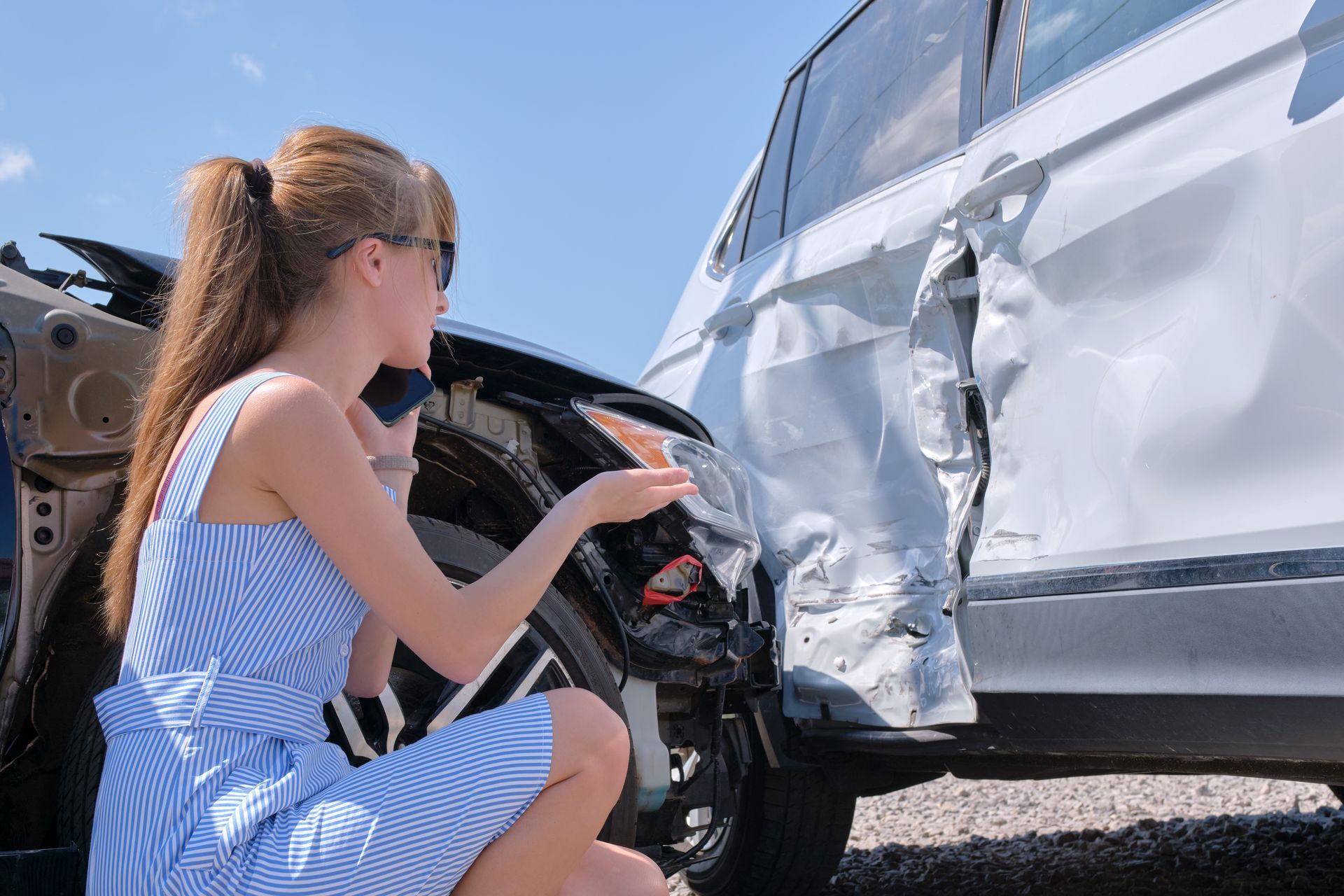
Driver talking on a cell phone while inspecting significant side damage to a vehicle after a traffic
June 5, 2026
Learn the important steps to take after a summer accident, from documenting the scene to seeking medical care and understanding your options.
June 3, 2026
Learn how construction zone accidents happen in Arizona and discover safety tips for navigating lane shifts, sudden stops, and road work zones.
Driver’s dashboard view of nighttime traffic with blurred city lights and reduced road visibility
June 1, 2026
Learn why accident risks increase after dark and discover important night driving safety tips to help protect yourself on the road.
Woman using smartphone while driving vehicle, demonstrating distracted driving dangers and increased
May 26, 2026
Learn what causes distracted driving accidents in the summer and how to stay safer during busy travel and vacation season.
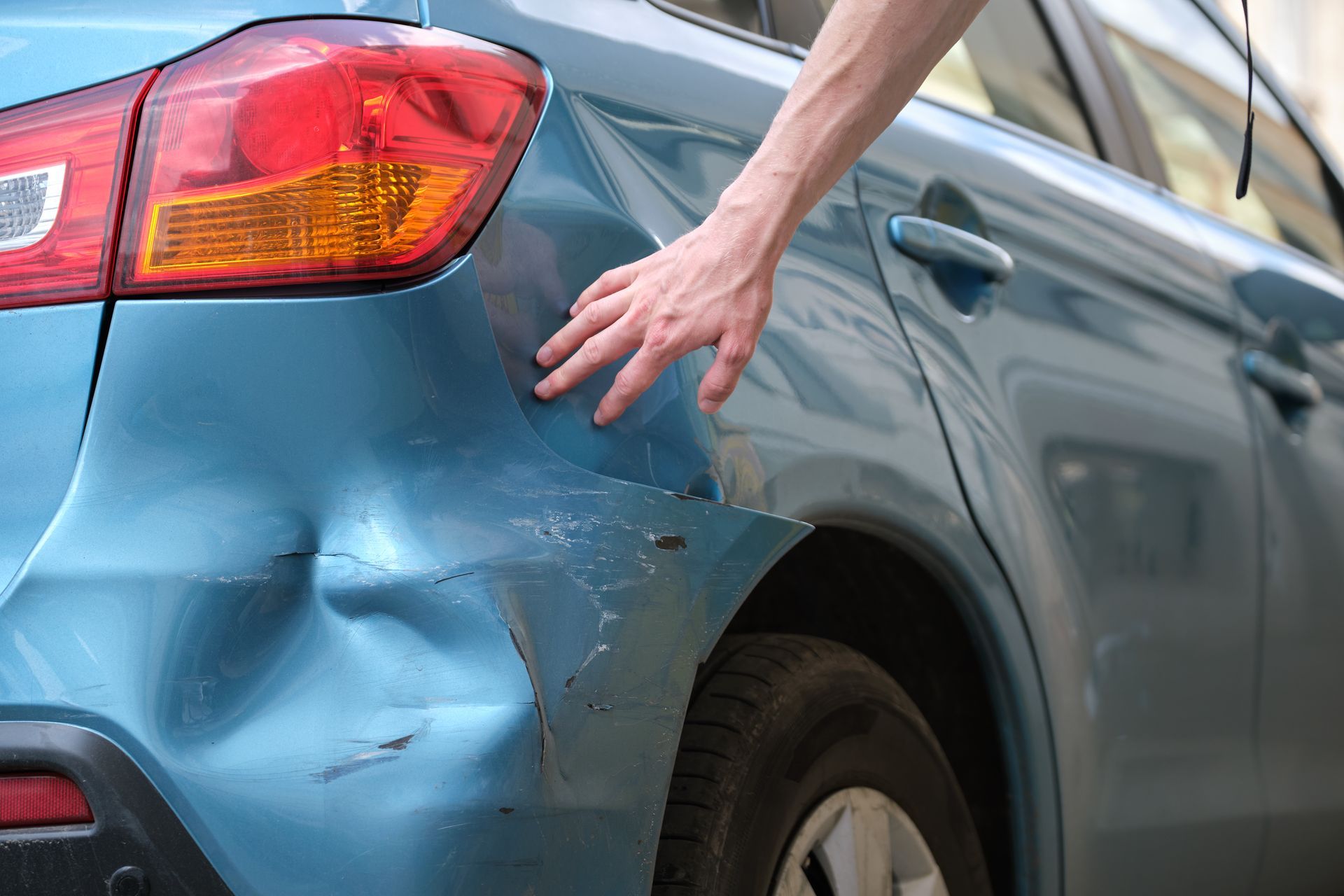
Close-up of rear bumper damage after car accident, showing vehicle collision repair needs in Arizona
May 22, 2026
Learn why accident risks increase during Memorial Day, 4th of July, and Labor Day weekends—and how to stay safer on the road.
Friends taking selfie during Arizona desert road trip, summer travel and driving safety awareness
May 13, 2026
Stay safe on long drives with these road trip safety tips. Learn how to prevent accidents and prepare for a safer journey.
Group of friends enjoying a summer drive together representing increased travel and road activity
May 12, 2026
Teen drivers face higher risks during summer break. Learn safety tips for families to help reduce accidents and build safer driving habits.
May 6, 2026
Learn why summer has the highest accident rates and what you can do to stay safe during busy travel season.