Holiday Weekend Accidents: Why Risk Increases
Why Risk Increases During Memorial Day, 4th of July, and Labor Day
Holiday weekends are meant to bring people together.
For many families, Memorial Day, the 4th of July, and Labor Day mean road trips, barbecues, celebrations, and time away from work. But these busy weekends also come with a noticeable increase in accidents across the country.
More traffic, late-night driving, alcohol use, and distracted driving can create dangerous conditions on the road. Even safe drivers can find themselves involved in unexpected situations during high-travel weekends.
Understanding why accident risks increase during holiday weekends can help you stay more aware and better prepared while traveling this summer.

More Cars on the Road
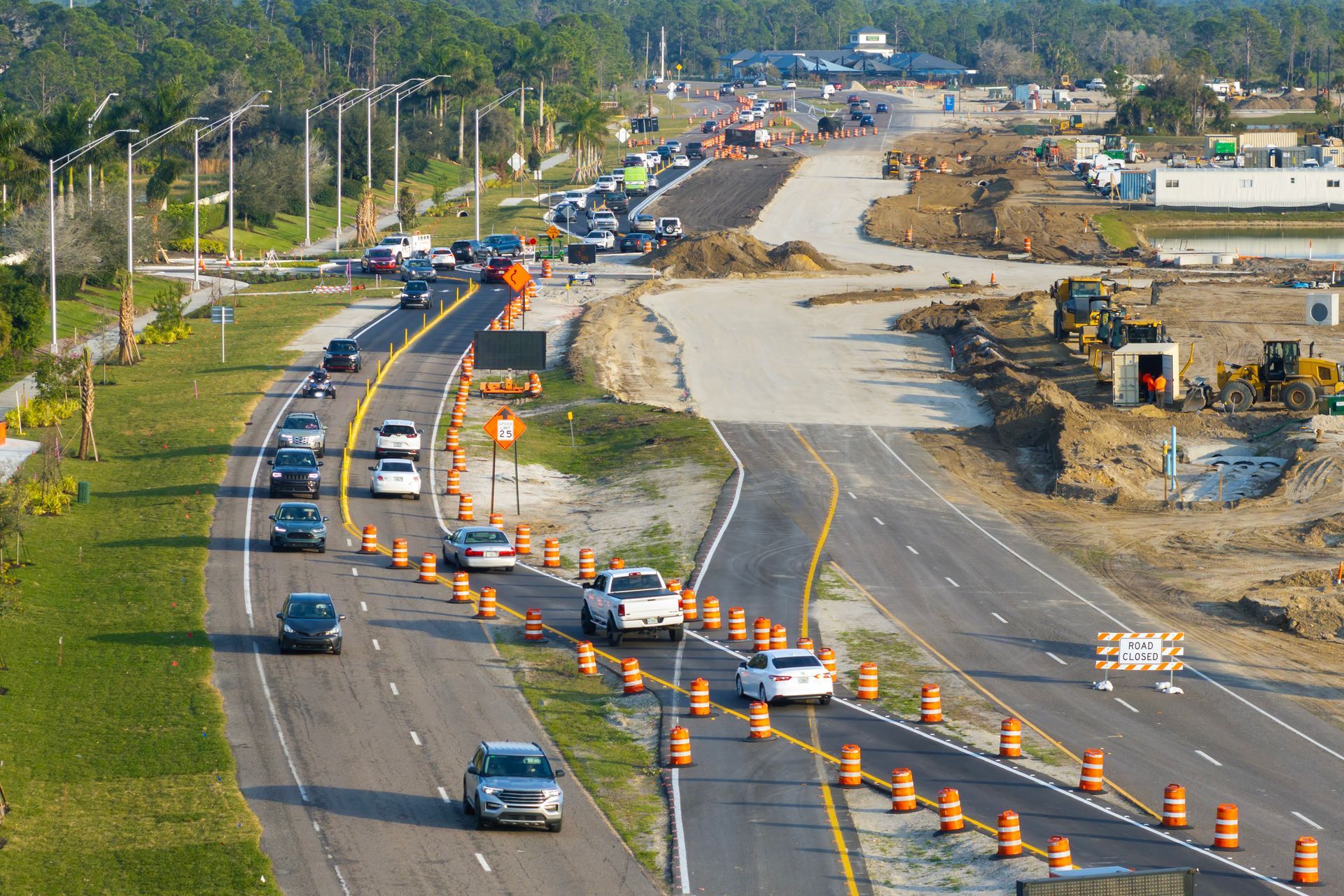
One of the biggest reasons accidents increase during holiday weekends is simple: more people are traveling.
During Memorial Day, the 4th of July, and Labor Day:
- Families travel for vacations
- Friends attend events and gatherings
- Highways become more crowded
Heavy traffic increases the chance of:
- Sudden stops
- Rear-end collisions
- Aggressive driving
- Driver frustration
Even experienced drivers may face more unpredictable situations when roads are packed.
Alcohol-Related Driving Increases
Holiday celebrations often involve alcohol.
Unfortunately, this can lead to an increase in impaired driving accidents.
Alcohol affects:
- Reaction time
- Judgment
- Focus
- Coordination
Even a small amount of impairment can make driving dangerous.
One impaired driver can put many others at risk on the road.

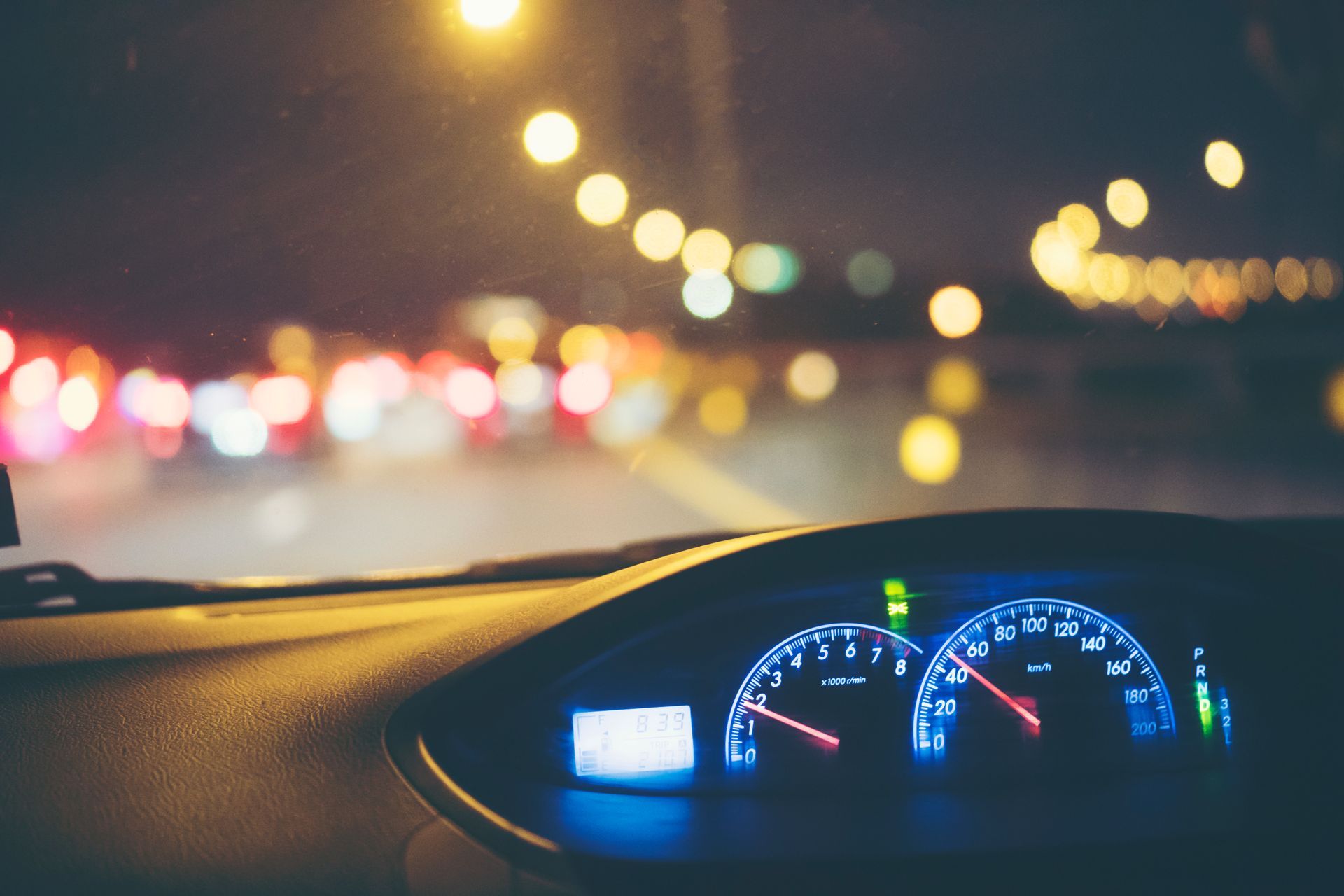
Late-Night Driving Risks
Holiday events often continue late into the evening.
Driving at night can increase accident risk because of:
- Reduced visibility
- Driver fatigue
- Increased likelihood of impaired drivers
Long days combined with late nights can make drivers less alert than they realize.
Distracted Driving During Travel
Busy weekends can also lead to more distractions behind the wheel.
Drivers may be:
- Using GPS in unfamiliar areas
- Texting friends or family
- Looking for directions
- Managing passengers in the car
Even a few seconds of distraction can lead to a serious accident.
Road Trips and Driver Fatigue
Many people spend long hours driving during holiday weekends.
Fatigue can:
- Slow reaction time
- Reduce focus
- Affect decision-making
Tired driving can become especially dangerous during heavy traffic or nighttime conditions.
Taking breaks and staying rested can help reduce risk during long drives.

Why Awareness Matters
Knowing why risks increase during holiday weekends can help you make safer decisions.
Awareness allows you to:
- Plan ahead
- Avoid unnecessary distractions
- Leave extra travel time
- Stay more alert around other drivers
Small safety choices can make a significant difference during high-traffic weekends.
Ways to Stay Safer During Holiday Travel
You can help reduce risk by:
- Avoiding driving while tired
- Staying focused on the road
- Planning your route before leaving
- Giving yourself extra travel time
- Watching for impaired drivers
- Taking breaks during long drives
Safe driving habits become even more important during busy travel weekends.
What to Do If an Accident Happens
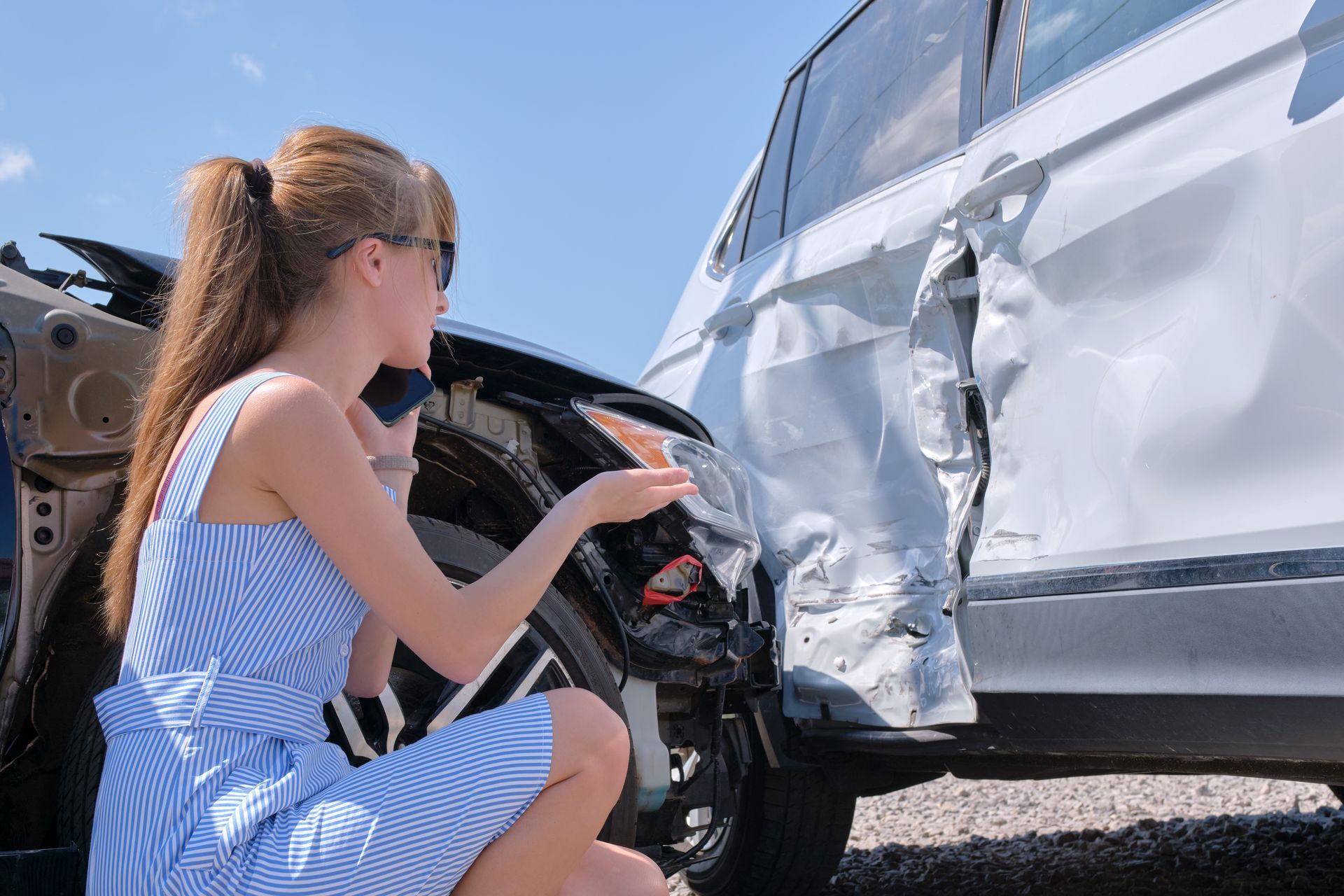
Even with precautions, accidents can still happen.
If you are involved in an accident:
Stay calm
Check for injuries
Move to safety if possible
Call for help if needed
Document the situation
Knowing what steps to take ahead of time can make a stressful situation easier to manage.
Holiday weekends should be about creating memories—not dealing with the aftermath of an accident.
By staying aware of common risks and practicing safe driving habits, you can help protect yourself, your passengers, and others on the road this summer.
If you or someone you care about is involved in an accident during a holiday weekend and don’t know what to do next, Call Christina Now is here to help guide you with clarity and support.

Holiday weekends bring more traffic and higher accident risks. Learn why crashes increase during summer holidays and how to stay safer on the road.
This article is part of our Summer Safety & Accident Awareness Series.
Explore more resources to stay safe this season.