Fourth of July Driving Safety: How to Avoid Common Holiday Weekend Accidents

June 25, 2026

The Fourth of July is a time to celebrate with family, friends, fireworks, and summer gatherings. It is also one of the busiest travel weekends of the year.


While many people look forward to barbecues, parades, and evening fireworks, the holiday also brings heavier traffic, more impaired drivers, and an increased number of motor vehicle accidents. According to the National Highway Traffic Safety Administration (NHTSA), the Fourth of July holiday consistently ranks among the most dangerous travel periods due to impaired driving and increased roadway congestion.


Understanding the risks associated with Independence Day travel can help you make safer decisions and protect yourself and your loved ones throughout the holiday weekend.
Why Are More Accidents Reported During the Fourth of July?

Several factors contribute to an increase in accidents during Independence Day weekend.

These include:

  • Higher traffic volume
  • Holiday travel
  • Fireworks events
  • Late-night celebrations
  • Alcohol-related driving
  • Driver fatigue

With more vehicles on the road and more people traveling unfamiliar routes, even small mistakes can quickly become serious accidents.
Fireworks Traffic Creates Unexpected Hazards

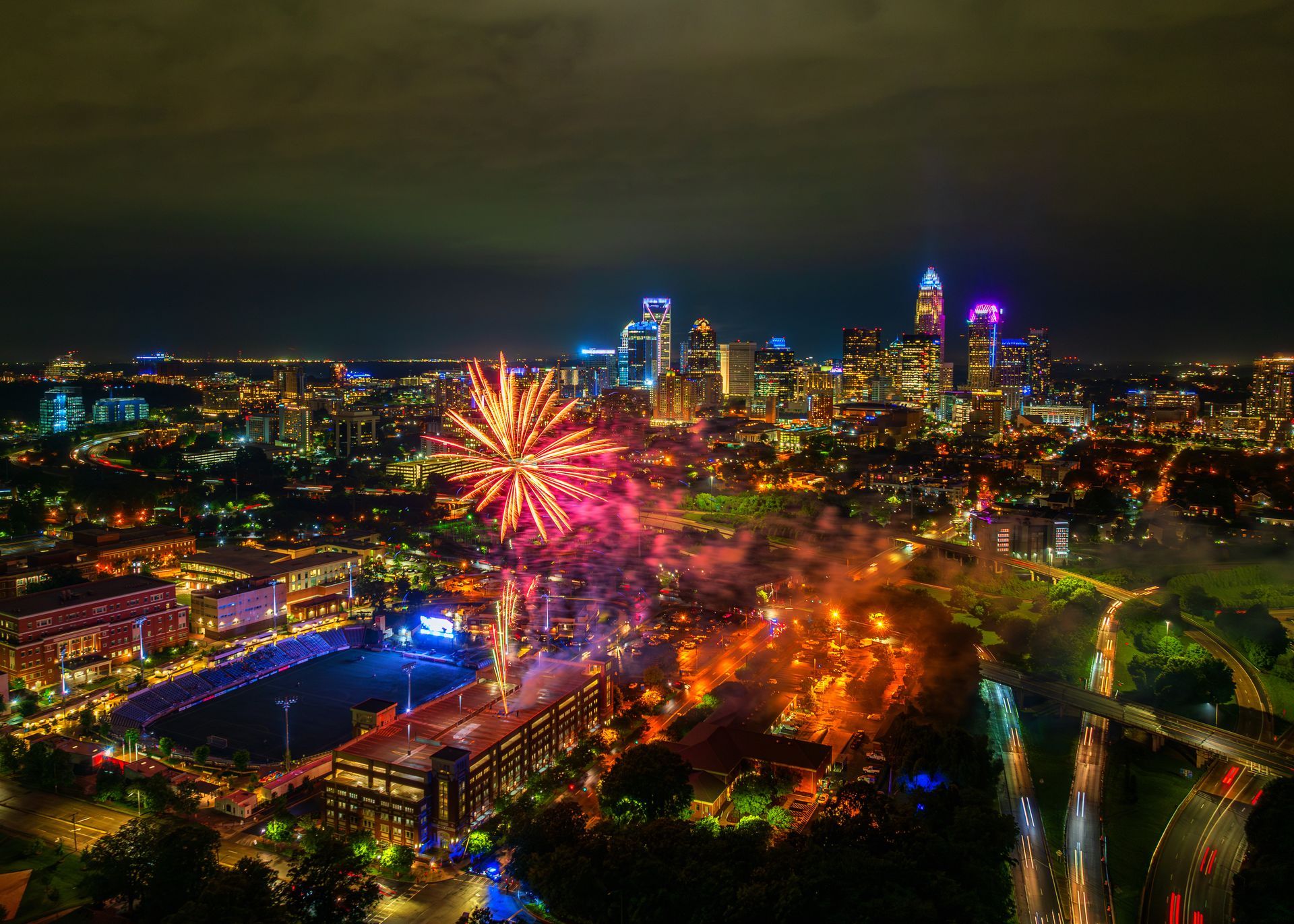
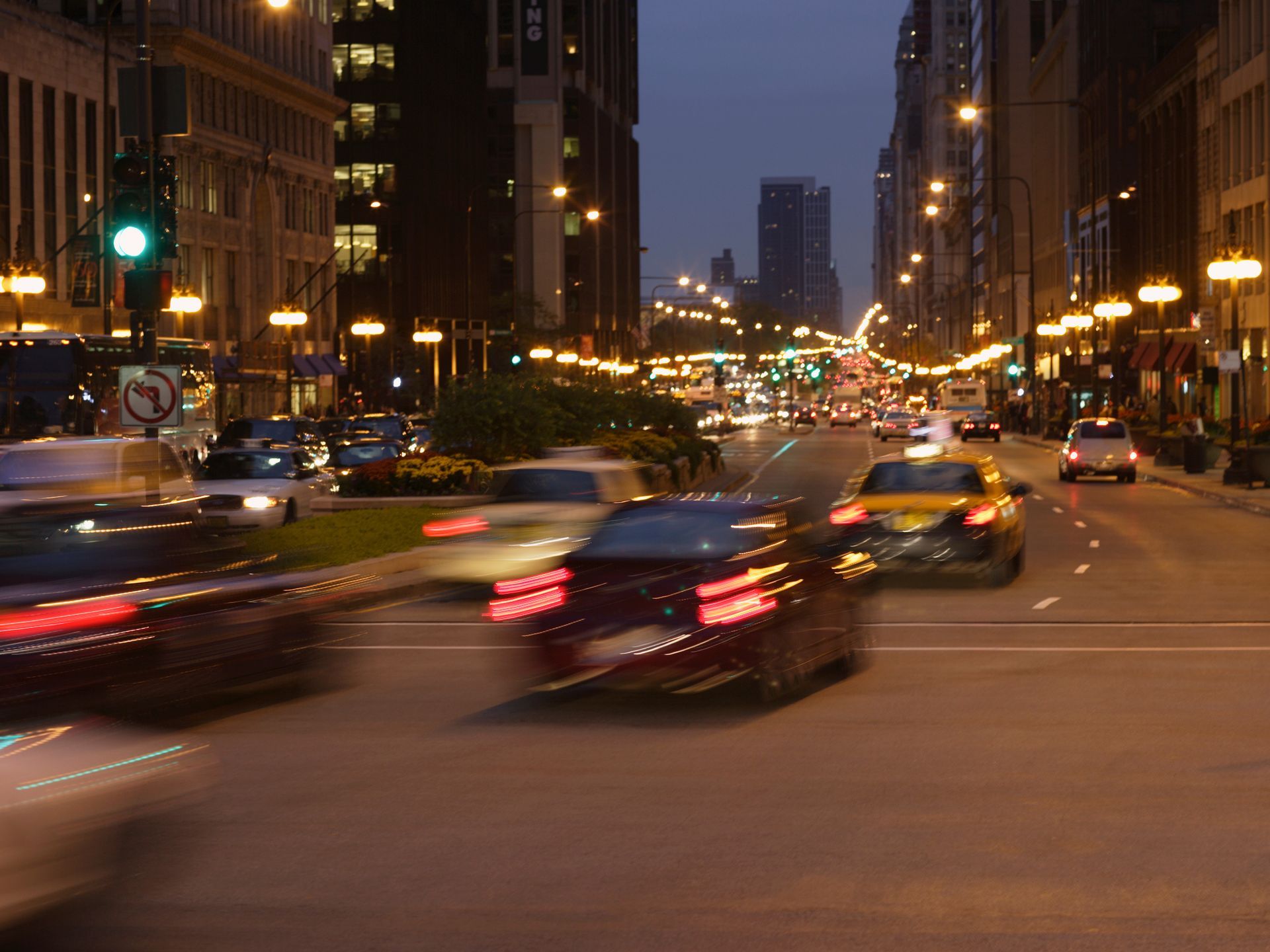
Fireworks displays attract thousands of people across Arizona, creating heavy traffic before and after celebrations.

Drivers often encounter:

  • Congested roads
  • Sudden stops
  • Heavy pedestrian traffic
  • Vehicles entering and exiting parking lots
  • Drivers searching for parking

These conditions can quickly become overwhelming, especially for drivers unfamiliar with the area. In fact, increased traffic, holiday celebrations, and crowded roadways are some of the reasons accident rates rise during major holidays. For a closer look at these seasonal risks, read our guide, Holiday Weekend Accidents: Why Risk Increases.


Fireworks events can also create distractions as drivers watch displays, search for parking, or navigate unfamiliar streets. If you'd like more tips on staying focused behind the wheel, explore our article, Distracted Driving in the Summer: What to Watch For. Watching for pedestrians, maintaining a safe following distance, and staying patient in heavy traffic can help reduce the likelihood of an accident.

Fireworks Traffic Creates Unexpected Hazards

Fireworks displays attract thousands of people across Arizona, creating heavy traffic before and after celebrations.

Drivers often encounter:

  • Congested roads
  • Sudden stops
  • Heavy pedestrian traffic
  • Vehicles entering and exiting parking lots
  • Drivers searching for parking

These conditions can quickly become overwhelming, especially for drivers unfamiliar with the area. In fact, increased traffic, holiday celebrations, and crowded roadways are some of the reasons accident rates rise during major holidays. For a closer look at these seasonal risks, read our guide, Holiday Weekend Accidents: Why Risk Increases.


Fireworks events can also create distractions as drivers watch displays, search for parking, or navigate unfamiliar streets. If you'd like more tips on staying focused behind the wheel, explore our article, Distracted Driving in the Summer: What to Watch For. Watching for pedestrians, maintaining a safe following distance, and staying patient in heavy traffic can help reduce the likelihood of an accident.

Impaired Driving Remains a Serious Concern

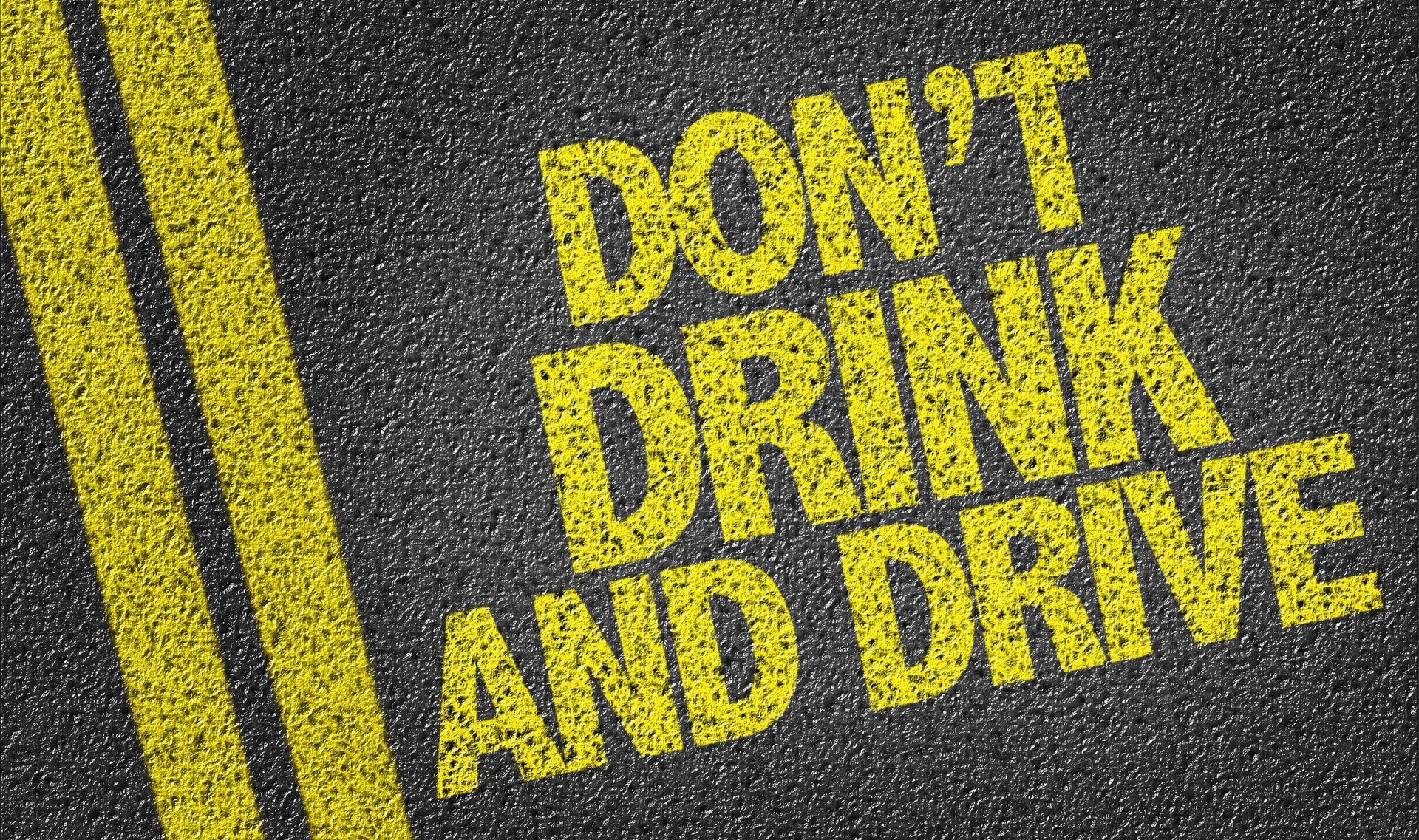
Many Fourth of July celebrations include alcohol.

Unfortunately, impaired driving continues to be one of the leading causes of serious crashes during holiday weekends.

Alcohol can affect:

  • Judgment
  • Coordination
  • Reaction time
  • Decision-making

Even if you are driving responsibly, it is important to stay alert for other drivers who may not be.

If you notice a driver weaving, speeding, or behaving unpredictably, increase your following distance and avoid driving alongside them whenever possible.
Late-Night Driving Increases Risk

Many fireworks displays end after dark, leading thousands of drivers onto the road at the same time.


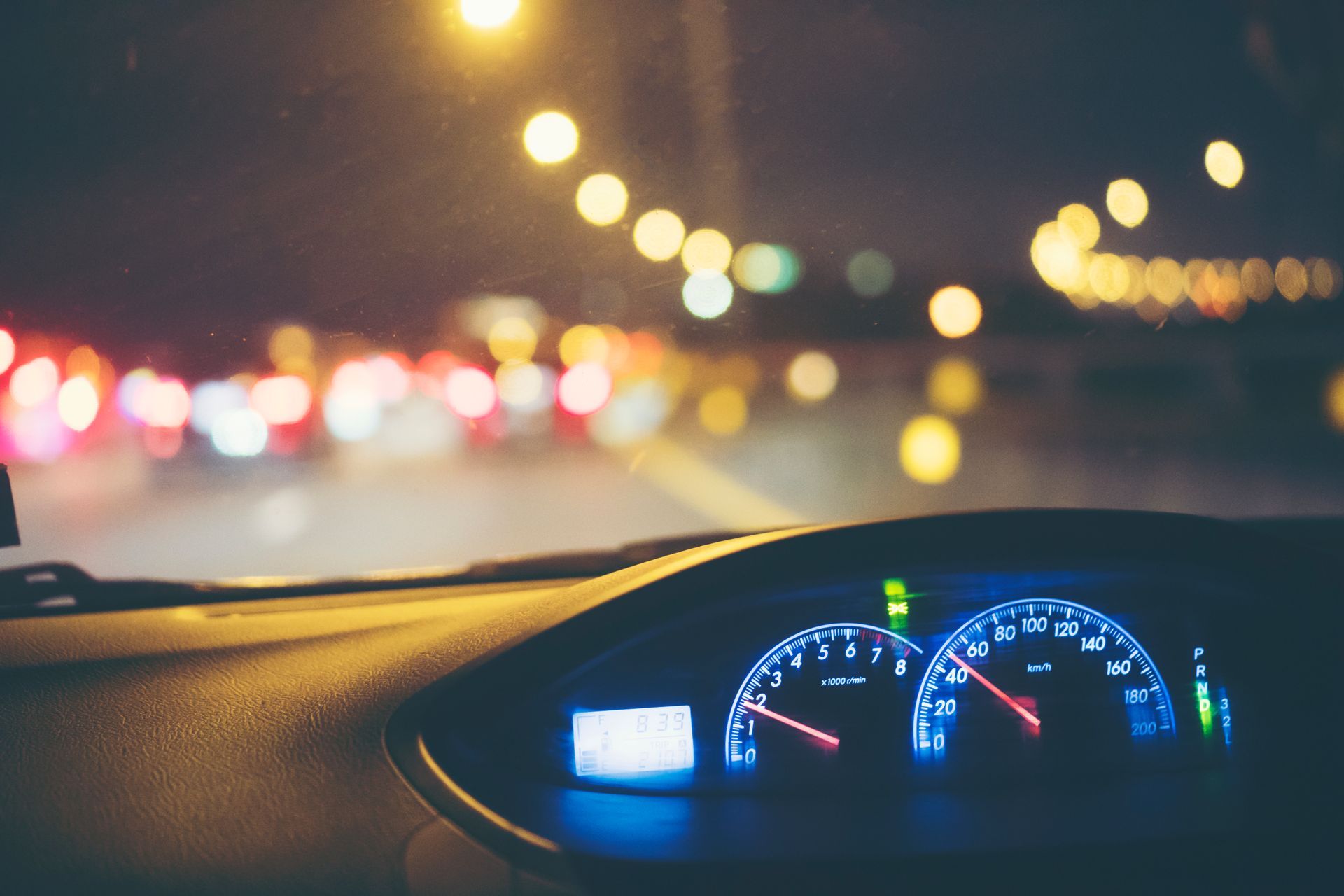
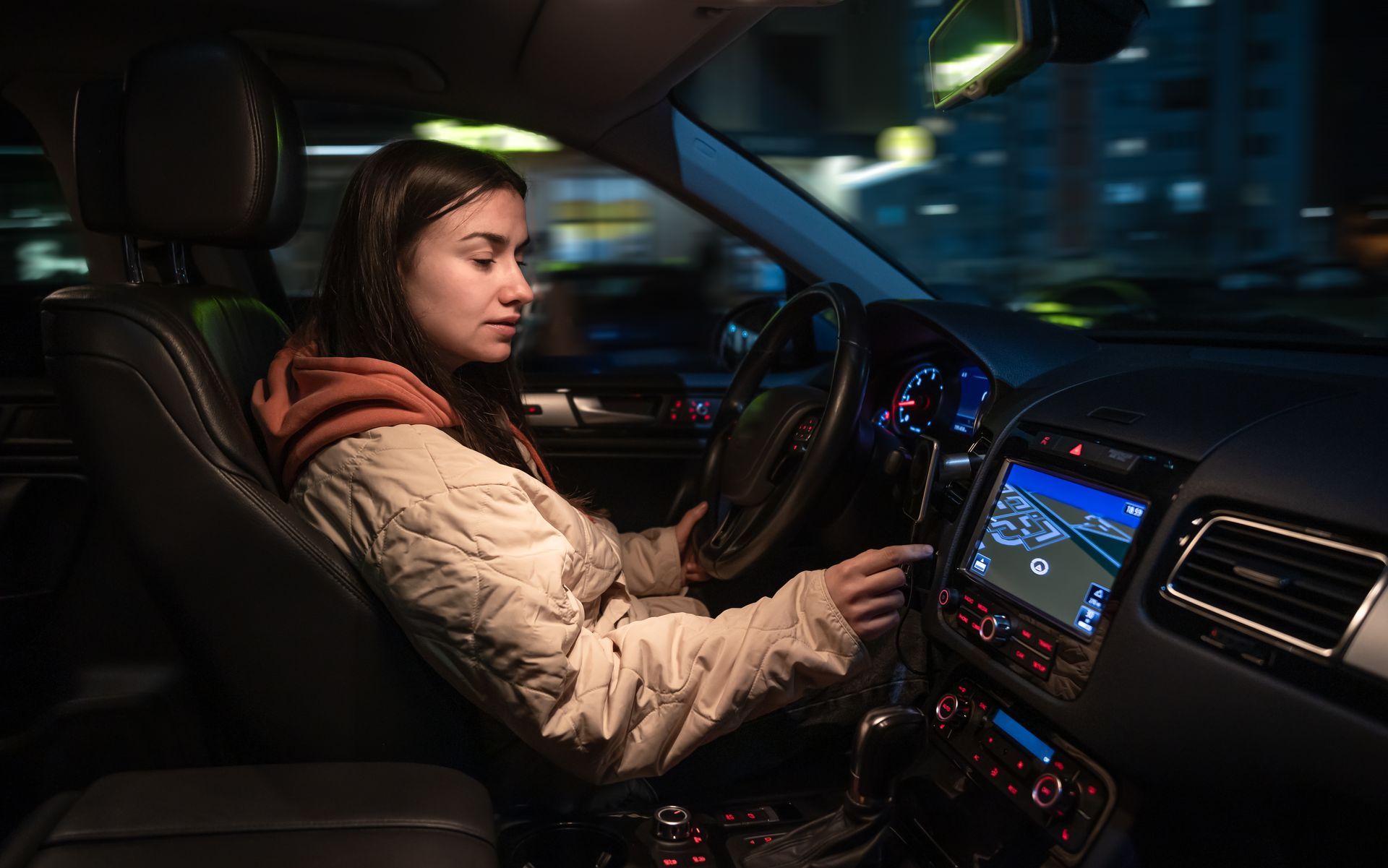
Night driving presents additional challenges, including reduced visibility, driver fatigue, glare from headlights, and an increased number of impaired drivers. These conditions can make it harder to react quickly to changing traffic situations.


If you're planning to drive home after a fireworks show, you may also find our guide, Night Driving Risks: Why Accidents Increase After Dark, helpful. It explains why driving after sunset requires extra caution and shares additional tips for staying safe.


Common nighttime driving hazards include:

  • Reduced visibility
  • Driver fatigue
  • Glare from headlights
  • More impaired drivers

If you plan to drive after fireworks, allow yourself extra time to get home safely and avoid rushing through heavy traffic.

Late-Night Driving Increases Risk

Many fireworks displays end after dark, leading thousands of drivers onto the road at the same time.


Night driving presents additional challenges, including reduced visibility, driver fatigue, glare from headlights, and an increased number of impaired drivers. These conditions can make it harder to react quickly to changing traffic situations.


If you're planning to drive home after a fireworks show, you may also find our guide, Night Driving Risks: Why Accidents Increase After Dark, helpful. It explains why driving after sunset requires extra caution and shares additional tips for staying safe.


Common nighttime driving hazards include:

  • Reduced visibility
  • Driver fatigue
  • Glare from headlights
  • More impaired drivers

If you plan to drive after fireworks, allow yourself extra time to get home safely and avoid rushing through heavy traffic.

Crowded Roads

Mean Less Room for Error

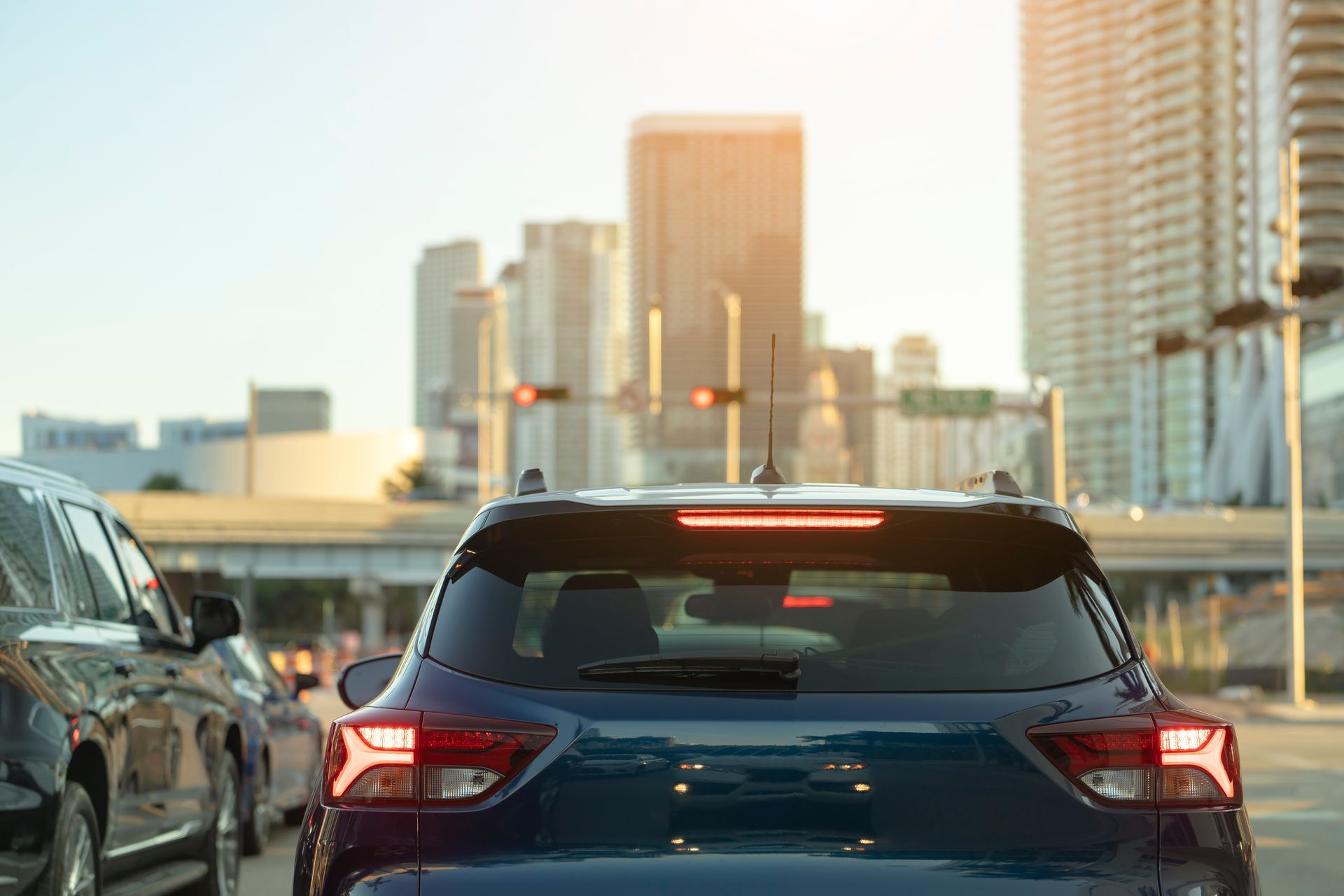
Holiday weekends often bring more drivers onto the road, many of whom are traveling long distances, visiting unfamiliar areas, using GPS, or driving rental vehicles.


These changing road conditions can lead to sudden lane changes, missed exits, abrupt stops, and increased congestion. If you're planning a holiday getaway, our guide, Road Trip Safety Tips: How to Stay Safe on Long Drives, offers additional advice on preparing your vehicle, avoiding fatigue, and staying focused during busy travel periods.

To help reduce your risk of an accident:

  • Leave extra space between vehicles.
  • Be patient in heavy traffic.
  • Watch for drivers making last-minute lane changes.
  • Expect delays near popular destinations and event venues.

Giving yourself additional reaction time can help you respond safely if traffic conditions change unexpectedly.
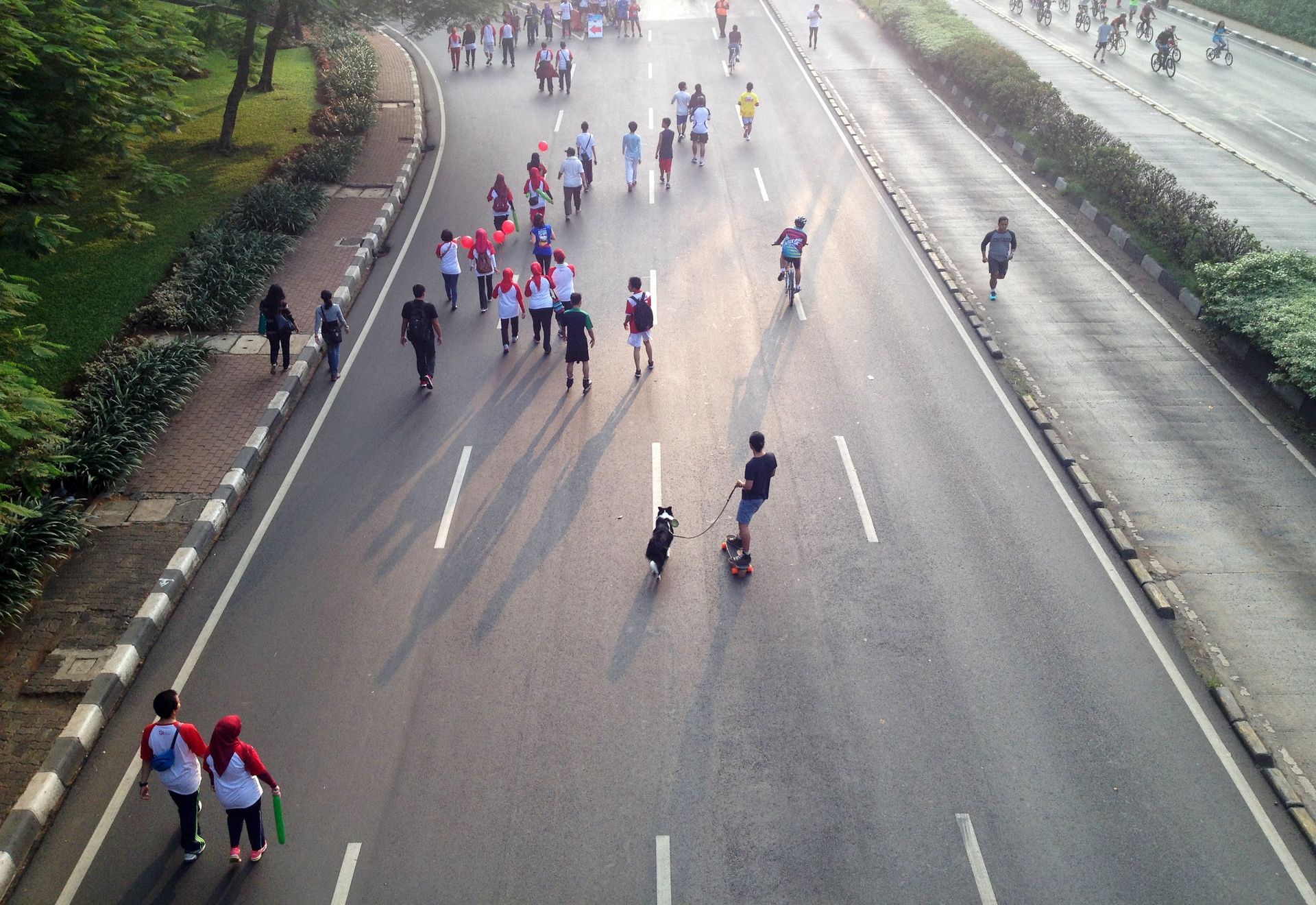
Watch for Pedestrians and Cyclists

Many Fourth of July events involve people walking between parking areas, parks, neighborhoods, and community gatherings.

Drivers should pay close attention to:

  • Crosswalks
  • Residential streets
  • Parks
  • Event venues
  • Parking lots

Children may also be present in larger numbers during holiday celebrations, making extra caution especially important.

Watch for Pedestrians and Cyclists

Many Fourth of July events involve people walking between parking areas, parks, neighborhoods, and community gatherings.

Drivers should pay close attention to:

  • Crosswalks
  • Residential streets
  • Parks
  • Event venues
  • Parking lots

Children may also be present in larger numbers during holiday celebrations, making extra caution especially important.

Plan Ahead Before You Leave

Preparing before your trip can make holiday travel less stressful.

Consider:

  • Checking traffic conditions
  • Planning your route
  • Charging your phone
  • Making sure your vehicle is ready for travel
  • Allowing extra travel time

Planning ahead reduces unnecessary distractions while driving.

What to Do If You're

Involved in an Accident

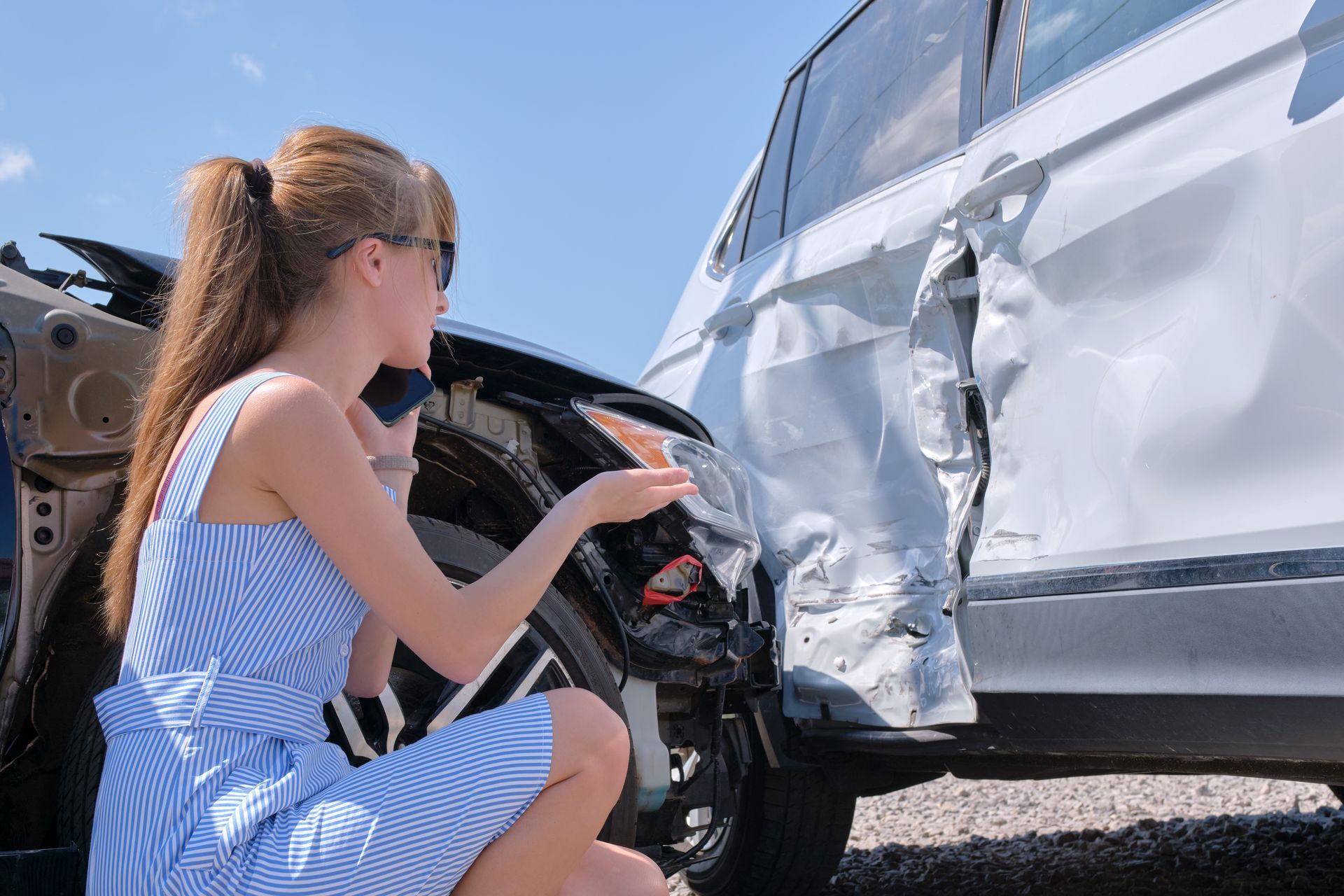
Even when you take every precaution, accidents can still happen.

If you're involved in a collision:

  • Stay calm.
  • Check yourself and others for injuries.
  • Call 911 if anyone is hurt or if emergency assistance is needed.
  • Move to a safe location if possible.
  • Exchange information with the other driver.
  • Take photos of the vehicles, road conditions, and surrounding area.
  • Seek medical evaluation, even if injuries seem minor.

Some injuries, including whiplash and concussions, may not become noticeable until hours or days after an accident.

Celebrate Responsibly

The Fourth of July should be remembered for celebrations—not preventable accidents.

Simple choices like staying focused, avoiding distractions, planning ahead, and never driving while impaired

can make a meaningful difference.

By taking a few extra precautions, you can help protect yourself, your loved ones, and everyone sharing the road.

The Fourth of July is one of the busiest travel weekends of the summer, bringing increased traffic, fireworks events, and holiday celebrations across Arizona. Understanding the most common accident risks can help you make safer decisions before you get behind the wheel. Whether you're traveling across town or across the state, staying alert and planning ahead can help make this holiday a safer one for everyone.


If you or someone you care about is involved in an accident during the Fourth of July weekend and you're unsure what to do next, Call Christina Now is here to provide guidance, support, and connections to trusted resources when you need them most.

Traveling this Fourth of July? Learn how to avoid common holiday weekend accidents, stay safe in heavy traffic, and know what to do if an accident happens.

This article is part of our Summer Safety & Accident Awareness Series.

Explore more resources to stay safe this season.
Two people holding hands during a supportive conversation, symbolizing emotional support, counseling
June 10, 2026
Learn how accidents can affect mental health, including PTSD, anxiety, depression, and emotional recovery after a traumatic event.
Driver talking on a cell phone while inspecting significant side damage to a vehicle after a traffic
June 5, 2026
Learn the important steps to take after a summer accident, from documenting the scene to seeking medical care and understanding your options.
June 3, 2026
Learn how construction zone accidents happen in Arizona and discover safety tips for navigating lane shifts, sudden stops, and road work zones.
Driver’s dashboard view of nighttime traffic with blurred city lights and reduced road visibility
June 1, 2026
Learn why accident risks increase after dark and discover important night driving safety tips to help protect yourself on the road.
Woman using smartphone while driving vehicle, demonstrating distracted driving dangers and increased
May 26, 2026
Learn what causes distracted driving accidents in the summer and how to stay safer during busy travel and vacation season.
Close-up of rear bumper damage after car accident, showing vehicle collision repair needs in Arizona
May 22, 2026
Learn why accident risks increase during Memorial Day, 4th of July, and Labor Day weekends—and how to stay safer on the road.
Friends taking selfie during Arizona desert road trip, summer travel and driving safety awareness
May 13, 2026
Stay safe on long drives with these road trip safety tips. Learn how to prevent accidents and prepare for a safer journey.
Group of friends enjoying a summer drive together representing increased travel and road activity
May 12, 2026
Teen drivers face higher risks during summer break. Learn safety tips for families to help reduce accidents and build safer driving habits.
May 6, 2026
Learn why summer has the highest accident rates and what you can do to stay safe during busy travel season.