What to Do After a Summer Accident (Step-by-Step Guide)

June 5, 2026

☀️ Stay Safe • Protect Yourself • Know Your Next Steps

☀️ Stay Safe • Protect Yourself • Know Your Next Steps

Summer is one of the busiest times of year for travel, road trips, outdoor activities, and holiday celebrations. Unfortunately, it is also one of the busiest seasons for accidents. Whether an accident happens during a family vacation, a holiday weekend, or your daily commute, the moments afterward can feel overwhelming. Knowing what to do can help protect your safety, your health, and your ability to move forward with confidence.


If you are involved in a summer accident, these steps can help you stay calm and take appropriate action.

Police officer speaking with people involved in a nighttime vehicle accident while damaged cars and emergency lights illuminate the crash scene.

Summer is one of the busiest times of year for travel, road trips, outdoor activities, and holiday celebrations. Unfortunately, it is also one of the busiest seasons for accidents. Whether an accident happens during a family vacation, a holiday weekend, or your daily commute, the moments afterward can feel overwhelming. Knowing what to do can help protect your safety, your health, and your ability to move forward with confidence.


If you are involved in a summer accident, these steps can help you stay calm and take appropriate action.

Police officer speaking with people involved in a nighttime vehicle accident while damaged cars and emergency lights illuminate the crash scene.

Step 1: Prioritize Safety

Your first priority should always be safety.

If possible:

  • Move to a safe location
  • Turn on hazard lights
  • Check yourself and others for injuries
  • Stay away from moving traffic

If anyone is seriously injured, call 911 immediately.

Even minor accidents can create dangerous conditions, especially on busy roads or highways.


Step 2: Call for Help

Depending on the situation, you may need to contact:

  • Emergency services
  • Local law enforcement
  • Roadside assistance

A police report can help document what happened and may be important later.

Remain calm and provide accurate information about the accident and any injuries.


Step 3: Document the Scene

If it is safe to do so, gather information while you are still at the scene.

Consider documenting:

  • Vehicle damage
  • Road conditions
  • Traffic signs and signals
  • Skid marks or debris
  • Visible injuries

Photos and videos can help preserve important details that may become harder to remember later.


Step 4: Exchange Information

Exchange information with the other driver or parties involved.

This may include:

  • Names
  • Contact information
  • Insurance information
  • Vehicle information

Avoid discussing fault or making assumptions about what caused the accident.

Focus on collecting information and remaining respectful.


Step 5: Seek Medical Attention

Not all injuries are immediately noticeable.

Some symptoms may appear hours or even days later, including:

  • Neck pain
  • Back pain
  • Headaches
  • Dizziness
  • Concussion symptoms

Seeking medical attention can help identify injuries early and create documentation of your condition.

Even if you feel fine, it is often wise to be evaluated by a healthcare professional.


Step 6: Keep Records

After the accident, keep records related to:

  • Medical visits
  • Treatment plans
  • Expenses
  • Missed work
  • Correspondence about the accident

Good documentation can help you stay organized and better understand your situation.


Step 7: Be Careful When Speaking with Insurance Companies

Insurance companies may contact you soon after an accident.

Before providing detailed statements:

  • Understand what information is being requested
  • Review available documentation
  • Make informed decisions about how to proceed

The days following an accident can be stressful, and it is important to avoid rushing into decisions.


Why Summer Accidents Can Be Different

Summer accidents often involve unique factors such as:

  • Increased traffic
  • Road trips
  • Holiday travel
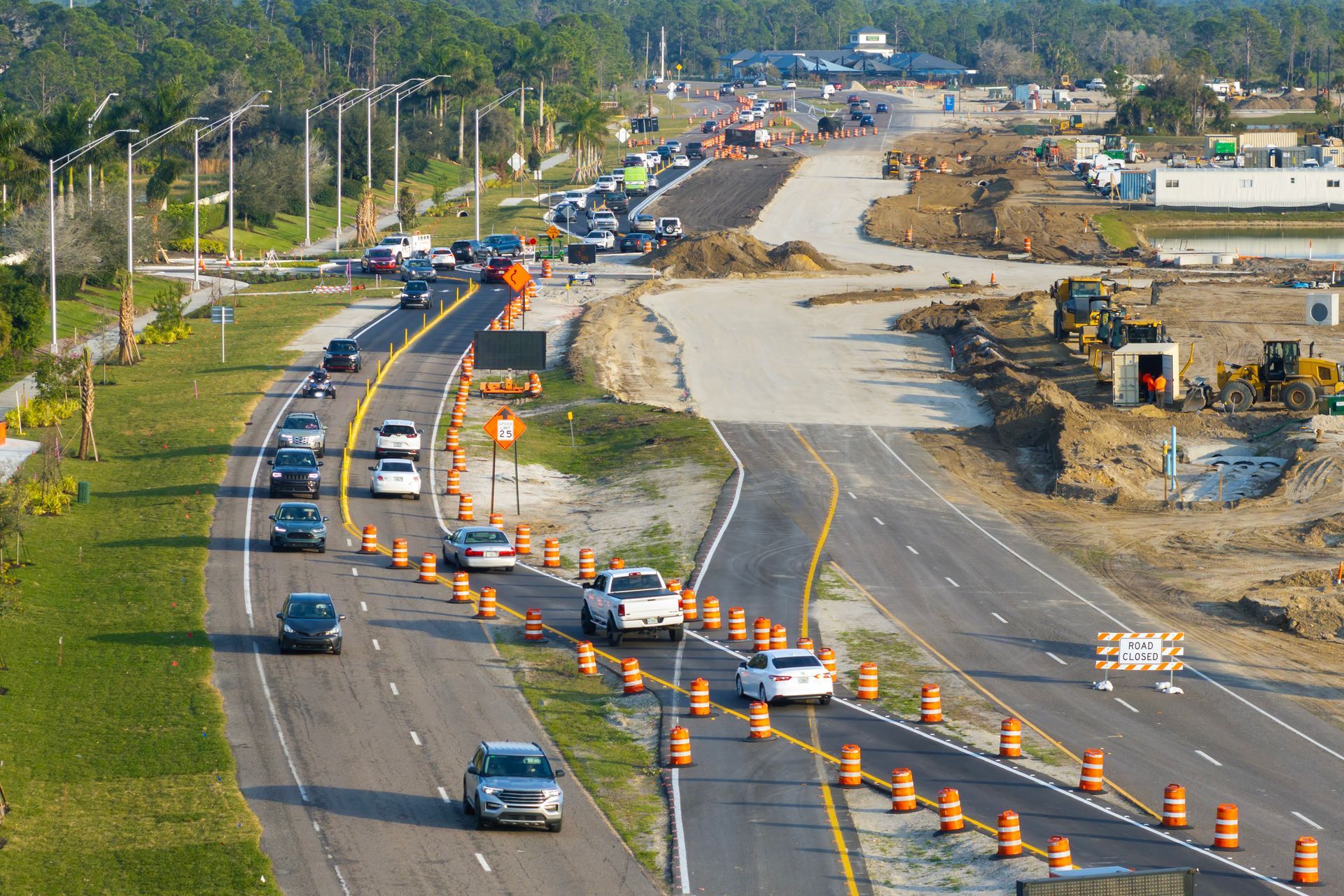
  • Construction zones
  • Teen drivers
  • Distracted driving

These conditions can make accident investigations more complex than many people realize.

Understanding the circumstances surrounding the accident can help provide clarity moving forward.


Step 8: Understand Your Options

Many people are unsure where to turn after an accident.

Questions often include:

  • What should I do next?
  • What documents should I keep?
  • Who should I talk to?
  • What resources are available?

Getting accurate information early can help you make informed decisions and avoid unnecessary stress.

Step 1: Prioritize Safety

Your first priority should always be safety.

If possible:

  • Move to a safe location
  • Turn on hazard lights
  • Check yourself and others for injuries
  • Stay away from moving traffic

If anyone is seriously injured, call 911 immediately.

Even minor accidents can create dangerous conditions, especially on busy roads or highways.


Step 2: Call for Help

Depending on the situation, you may need to contact:

  • Emergency services
  • Local law enforcement
  • Roadside assistance

A police report can help document what happened and may be important later.

Remain calm and provide accurate information about the accident and any injuries.


Step 3: Document the Scene

If it is safe to do so, gather information while you are still at the scene.

Consider documenting:

  • Vehicle damage
  • Road conditions
  • Traffic signs and signals
  • Skid marks or debris
  • Visible injuries

Photos and videos can help preserve important details that may become harder to remember later.


Step 4: Exchange Information

Exchange information with the other driver or parties involved.

This may include:

  • Names
  • Contact information
  • Insurance information
  • Vehicle information

Avoid discussing fault or making assumptions about what caused the accident.

Focus on collecting information and remaining respectful.


Step 5: Seek Medical Attention

Not all injuries are immediately noticeable.

Some symptoms may appear hours or even days later, including:

  • Neck pain
  • Back pain
  • Headaches
  • Dizziness
  • Concussion symptoms

Seeking medical attention can help identify injuries early and create documentation of your condition.

Even if you feel fine, it is often wise to be evaluated by a healthcare professional.


Step 6: Keep Records

After the accident, keep records related to:

  • Medical visits
  • Treatment plans
  • Expenses
  • Missed work
  • Correspondence about the accident

Good documentation can help you stay organized and better understand your situation.


Step 7: Be Careful When Speaking with Insurance Companies

Insurance companies may contact you soon after an accident.

Before providing detailed statements:

  • Understand what information is being requested
  • Review available documentation
  • Make informed decisions about how to proceed

The days following an accident can be stressful, and it is important to avoid rushing into decisions.


Why Summer Accidents Can Be Different

Summer accidents often involve unique factors such as:

  • Increased traffic
  • Road trips
  • Holiday travel
  • Construction zones
  • Teen drivers
  • Distracted driving

These conditions can make accident investigations more complex than many people realize.

Understanding the circumstances surrounding the accident can help provide clarity moving forward.


Step 8: Understand Your Options

Many people are unsure where to turn after an accident.

Questions often include:

  • What should I do next?
  • What documents should I keep?
  • Who should I talk to?
  • What resources are available?

Getting accurate information early can help you make informed decisions and avoid unnecessary stress.

⚠️ Common Mistakes to Avoid

After an Accident

After an accident, avoid:

  • Leaving the scene too quickly
  • Ignoring injuries
  • Forgetting to document the situation
  • Posting details about the accident on social media
  • Assuming everything will resolve itself without follow-up

Small mistakes can sometimes create larger challenges later.

💛 You Don't Have to Navigate It Alone


Accidents can leave people feeling overwhelmed, confused, and unsure where to begin.


The good news is that help and guidance are available.

Taking one step at a time can make the situation feel more manageable and help you focus on recovery.

A summer accident can be overwhelming. Learn the important steps to take immediately after an accident to help protect your health, safety, and future.

This article is part of our Summer Safety & Accident Awareness Series.

Explore more resources to stay safe this season.
June 3, 2026
Learn how construction zone accidents happen in Arizona and discover safety tips for navigating lane shifts, sudden stops, and road work zones.
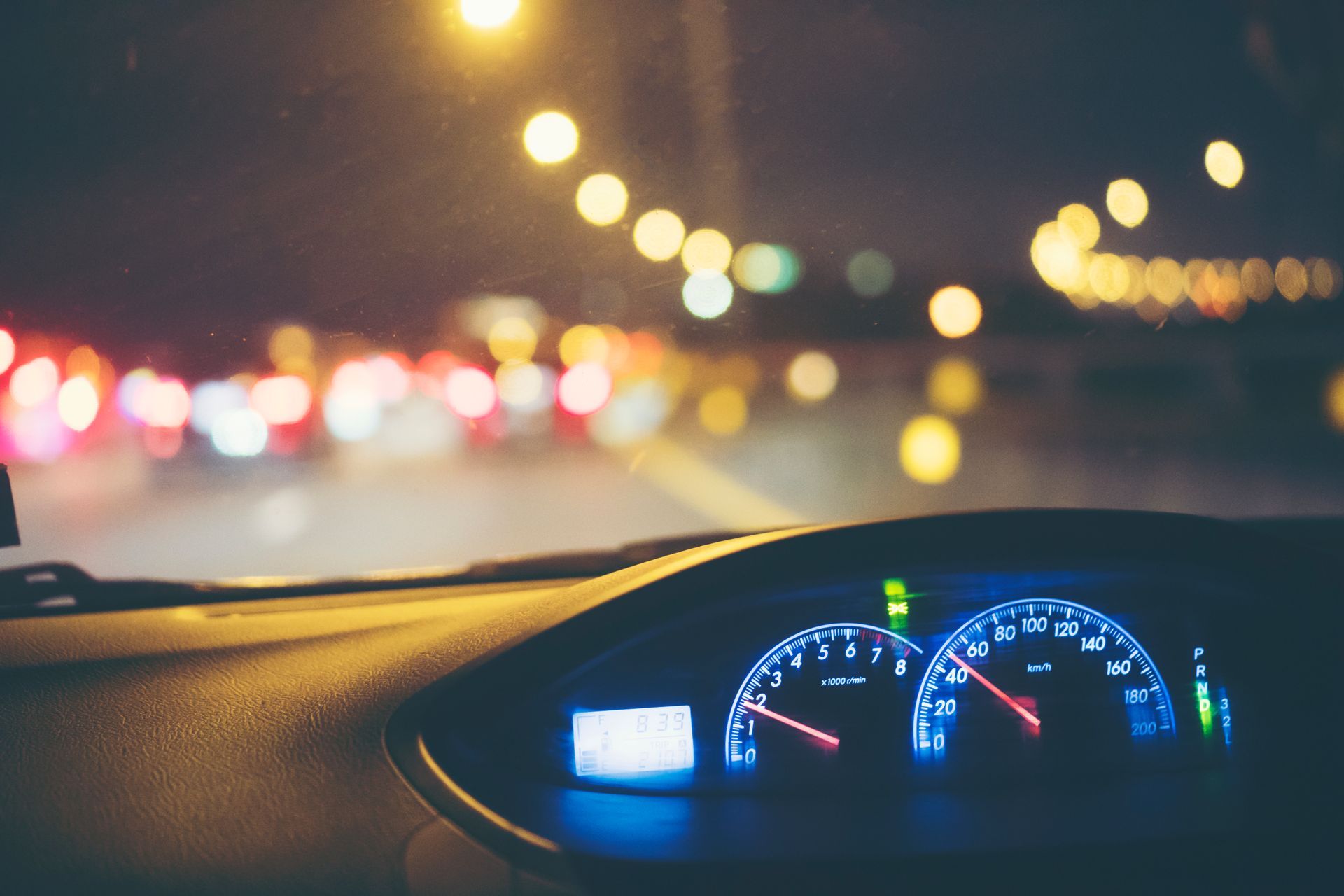
Driver’s dashboard view of nighttime traffic with blurred city lights and reduced road visibility
June 1, 2026
Learn why accident risks increase after dark and discover important night driving safety tips to help protect yourself on the road.

Woman using smartphone while driving vehicle, demonstrating distracted driving dangers and increased
May 26, 2026
Learn what causes distracted driving accidents in the summer and how to stay safer during busy travel and vacation season.
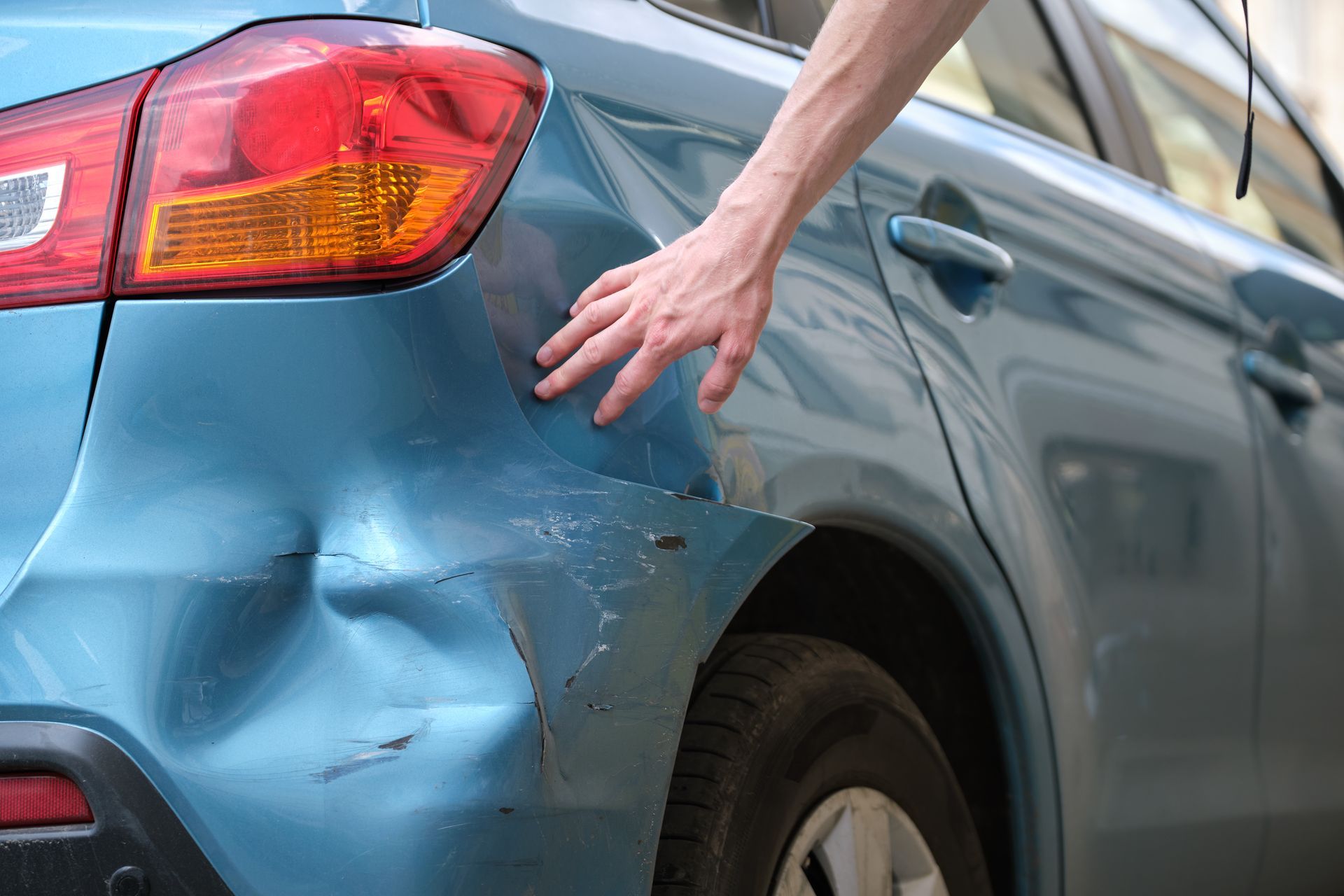
Close-up of rear bumper damage after car accident, showing vehicle collision repair needs in Arizona
May 22, 2026
Learn why accident risks increase during Memorial Day, 4th of July, and Labor Day weekends—and how to stay safer on the road.

Friends taking selfie during Arizona desert road trip, summer travel and driving safety awareness
May 13, 2026
Stay safe on long drives with these road trip safety tips. Learn how to prevent accidents and prepare for a safer journey.

Group of friends enjoying a summer drive together representing increased travel and road activity
May 12, 2026
Teen drivers face higher risks during summer break. Learn safety tips for families to help reduce accidents and build safer driving habits.
May 6, 2026
Learn why summer has the highest accident rates and what you can do to stay safe during busy travel season.