Night Driving Risks: Why Accidents Increase After Dark

June 1, 2026
🌙 Visibility • Fatigue • Impaired Drivers

Driving at night can feel calmer than driving during the day, but it also comes with increased risks that many people underestimate.

Reduced visibility, tired drivers, and impaired driving all contribute to a higher number of nighttime accidents. Even experienced drivers may have a harder time spotting hazards or reacting quickly after dark.

Understanding why accidents increase at night can help you stay more alert and make safer decisions whenever you are driving after sunset.

🌙 Visibility • Fatigue • Impaired Drivers

Driving at night can feel calmer than driving during the day, but it also comes with increased risks that many people underestimate.

Reduced visibility, tired drivers, and impaired driving all contribute to a higher number of nighttime accidents. Even experienced drivers may have a harder time spotting hazards or reacting quickly after dark.

Understanding why accidents increase at night can help you stay more alert and make safer decisions whenever you are driving after sunset.

Blurred nighttime highway traffic and lights representing fatigue, reduced visibility, and distracted driving risks

Reduced Visibility After Dark

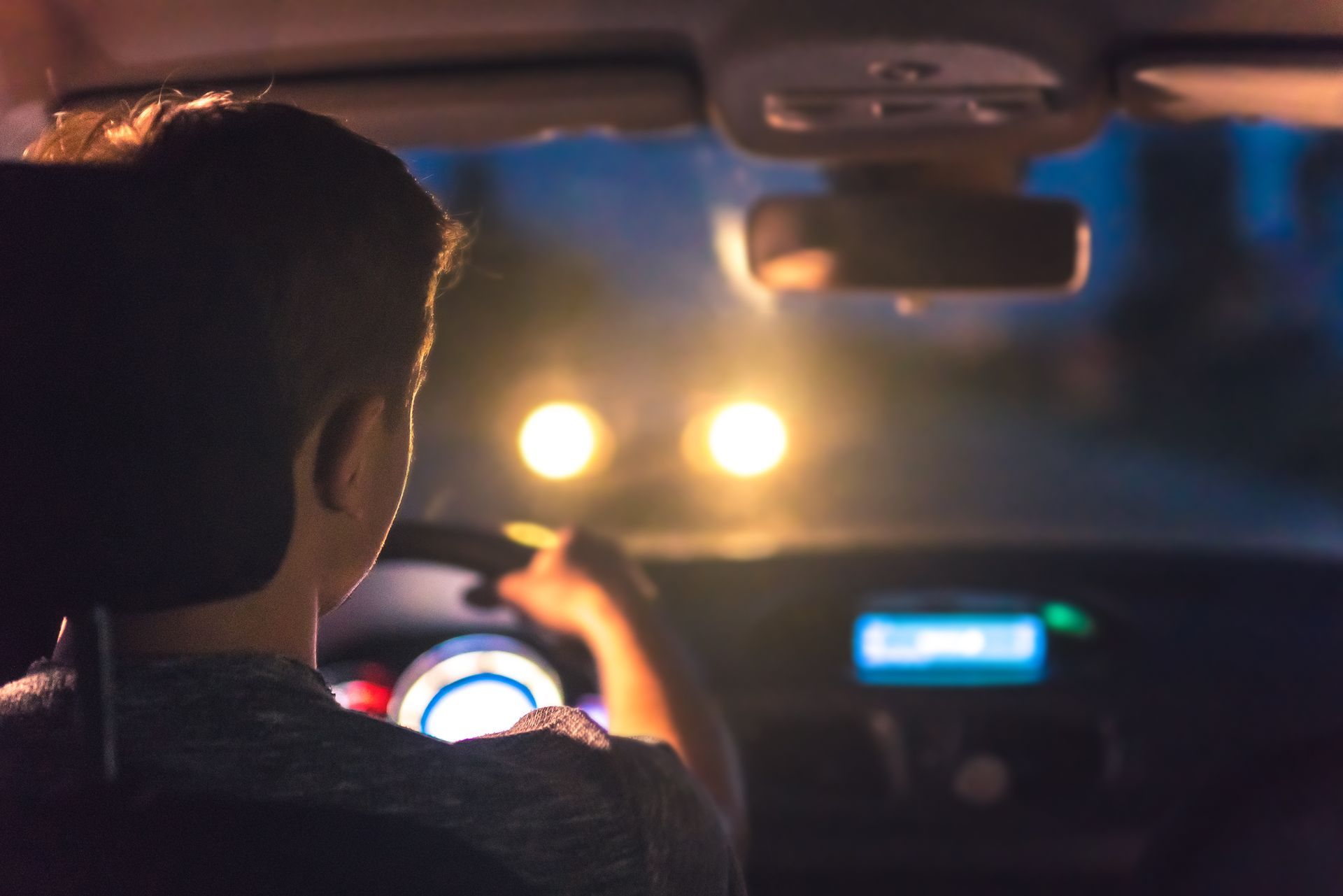
One of the biggest dangers of night driving is limited visibility.

At night, drivers may struggle to:

  • See pedestrians or cyclists
  • Notice road hazards
  • Judge distance correctly
  • Read signs quickly

Dark roads, poor lighting, and glare from headlights can make it harder to react in time to avoid accidents.


Even familiar roads can become more dangerous once visibility decreases.

Reduced Visibility After Dark

One of the biggest dangers of night driving is limited visibility.

At night, drivers may struggle to:

  • See pedestrians or cyclists
  • Notice road hazards
  • Judge distance correctly
  • Read signs quickly

Dark roads, poor lighting, and glare from headlights can make it harder to react in time to avoid accidents.


Even familiar roads can become more dangerous once visibility decreases.

Blurred nighttime highway traffic and lights representing fatigue, reduced visibility, and distracted driving risks

Reduced Visibility After Dark

One of the biggest dangers of night driving is limited visibility.

At night, drivers may struggle to:

  • See pedestrians or cyclists
  • Notice road hazards
  • Judge distance correctly
  • Read signs quickly

Dark roads, poor lighting, and glare from headlights can make it harder to react in time to avoid accidents.


Even familiar roads can become more dangerous once visibility decreases.

Blurred nighttime highway traffic and lights representing fatigue, reduced visibility, and distracted driving risks
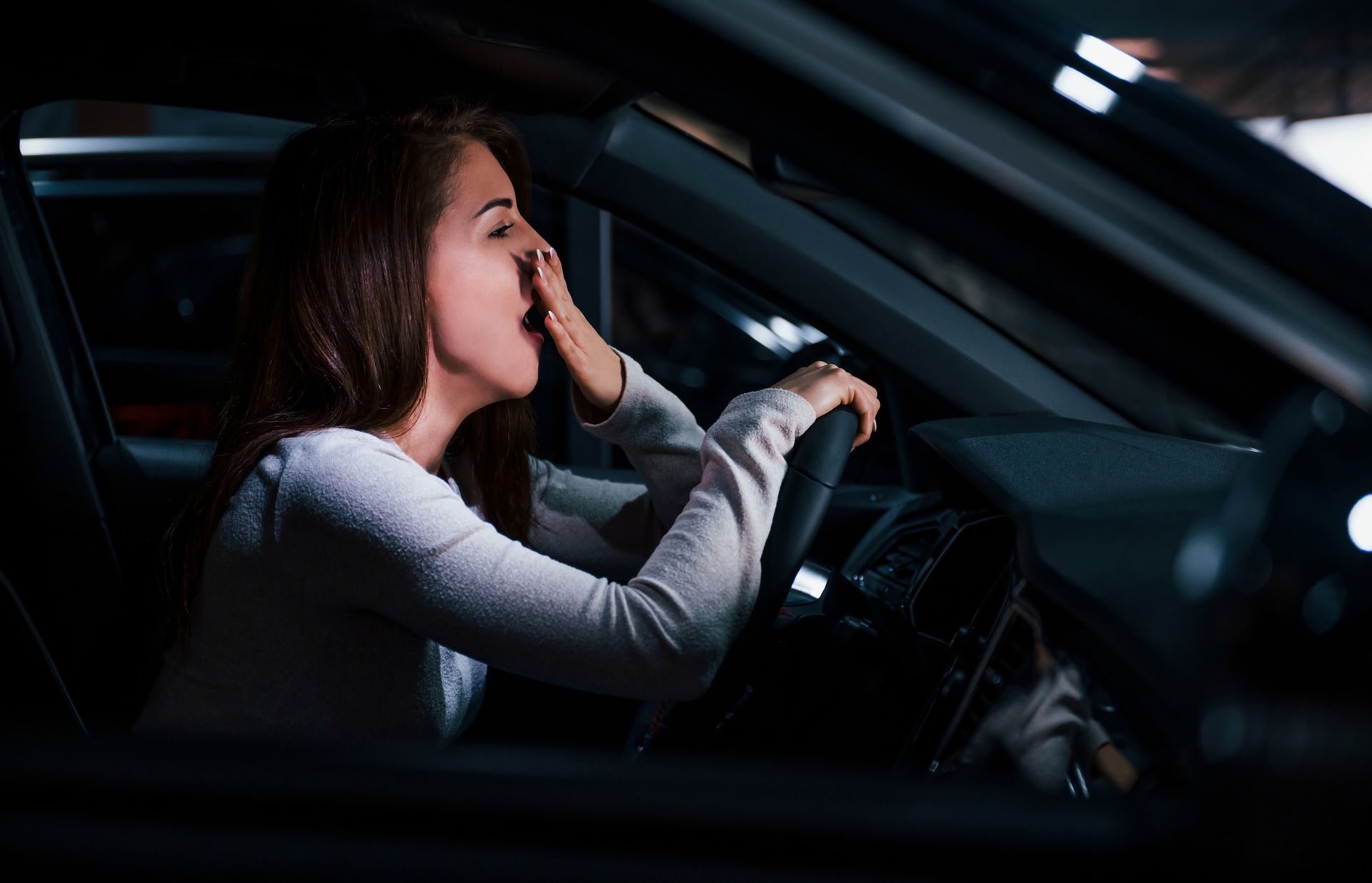
Fatigued driver yawning behind the wheel during nighttime driving, demonstrating dangers of drowsy driving

Driver Fatigue Increases at Night

Fatigue is another major cause of nighttime accidents.

After a long day, drivers may experience:

  • Slower reaction times
  • Reduced focus
  • Difficulty concentrating
  • Delayed decision-making

Some people do not realize how tired they are until they begin drifting out of lanes or missing important traffic signals.


Driving while exhausted can become just as dangerous as other forms of impairment.

Fatigued driver yawning behind the wheel during nighttime driving, demonstrating dangers of drowsy driving

Driver Fatigue Increases at Night

Fatigue is another major cause of nighttime accidents.

After a long day, drivers may experience:

  • Slower reaction times
  • Reduced focus
  • Difficulty concentrating
  • Delayed decision-making

Some people do not realize how tired they are until they begin drifting out of lanes or missing important traffic signals.


Driving while exhausted can become just as dangerous as other forms of impairment.

Person reaching for car keys next to alcoholic drink at bar, highlighting dangers of drinking and driving

Impaired Drivers Are

More Common at Night

Nighttime hours often bring an increase in impaired drivers on the road.

Evening events, parties, and social gatherings can lead to:

  • Alcohol-related driving
  • Drug impairment
  • Risky driving behavior

Impaired drivers may:

  • Speed
  • Drift between lanes
  • Ignore traffic signals
  • React unpredictably

Staying alert and giving unsafe drivers extra space can help reduce risk.

Impaired Drivers Are

More Common at Night

Nighttime hours often bring an increase in impaired drivers on the road.

Evening events, parties, and social gatherings can lead to:

  • Alcohol-related driving
  • Drug impairment
  • Risky driving behavior

Impaired drivers may:

  • Speed
  • Drift between lanes
  • Ignore traffic signals
  • React unpredictably

Staying alert and giving unsafe drivers extra space can help reduce risk.

Person reaching for car keys next to alcoholic drink at bar, highlighting dangers of drinking and driving

Impaired Drivers Are

More Common at Night

Nighttime hours often bring an increase in impaired drivers on the road.

Evening events, parties, and social gatherings can lead to:

  • Alcohol-related driving
  • Drug impairment
  • Risky driving behavior

Impaired drivers may:

  • Speed
  • Drift between lanes
  • Ignore traffic signals
  • React unpredictably

Staying alert and giving unsafe drivers extra space can help reduce risk.

Person reaching for car keys next to alcoholic drink at bar, highlighting dangers of drinking and driving

Distractions Become More Dangerous

Distractions are risky at any time, but they become even more dangerous after dark.

Looking away from the road to:

  • Check a phone
  • Adjust navigation
  • Change music
    can take attention away from already limited visibility.

At night, even a few seconds of distraction can increase accident risk significantly.

Pedestrians and Cyclists Are Harder to See

People walking or biking are often more difficult to spot at night.

This is especially common near:

  • Entertainment districts
  • Parks and neighborhoods
  • Crosswalks
  • Event areas

Drivers should slow down and stay alert in areas with increased foot traffic.

Weather Makes Night Driving More Difficult

Rain, dust, fog, and storms can make nighttime driving even more dangerous.

Poor weather can:

  • Reduce visibility further
  • Make roads slippery
  • Reflect headlights and streetlights

Slowing down and increasing following distance is important during poor nighttime conditions.

Distractions Become More Dangerous

Distractions are risky at any time, but they become even more dangerous after dark.

Looking away from the road to:

  • Check a phone
  • Adjust navigation
  • Change music
    can take attention away from already limited visibility.

At night, even a few seconds of distraction can increase accident risk significantly.

Pedestrians and Cyclists Are Harder to See

People walking or biking are often more difficult to spot at night.

This is especially common near:

  • Entertainment districts
  • Parks and neighborhoods
  • Crosswalks
  • Event areas

Drivers should slow down and stay alert in areas with increased foot traffic.

Weather Makes Night Driving More Difficult

Rain, dust, fog, and storms can make nighttime driving even more dangerous.

Poor weather can:

  • Reduce visibility further
  • Make roads slippery
  • Reflect headlights and streetlights

Slowing down and increasing following distance is important during poor nighttime conditions.

Driver navigating dark road at night with bright headlights ahead, showing nighttime driving visibility risks

Teen Drivers and Nighttime Risks

Night driving can be especially difficult for newer drivers.

Teen drivers may have less experience:

  • Driving in low-light conditions
  • Handling glare from headlights
  • Reacting to sudden hazards

Summer evenings often bring more teen drivers onto the road, increasing accident risk during nighttime hours.

Why Awareness Matters

Understanding nighttime driving risks can help drivers stay more prepared.

Awareness encourages:

  • Better focus
  • Safer speeds
  • More cautious decision-making
  • Increased following distance

Small changes in driving habits can make a significant difference after dark.

Tips for Safer Night Driving

You can help improve safety by:

  • Avoiding driving while tired
  • Limiting distractions
  • Keeping headlights clean and working properly
  • Watching carefully for pedestrians
  • Leaving extra space between vehicles
  • Slowing down in poor visibility conditions

Simple precautions can help reduce the risk of nighttime accidents.

Teen Drivers and Nighttime Risks

Night driving can be especially difficult for newer drivers.

Teen drivers may have less experience:

  • Driving in low-light conditions
  • Handling glare from headlights
  • Reacting to sudden hazards

Summer evenings often bring more teen drivers onto the road, increasing accident risk during nighttime hours.

Why Awareness Matters

Understanding nighttime driving risks can help drivers stay more prepared.

Awareness encourages:

  • Better focus
  • Safer speeds
  • More cautious decision-making
  • Increased following distance

Small changes in driving habits can make a significant difference after dark.

Tips for Safer Night Driving

You can help improve safety by:

  • Avoiding driving while tired
  • Limiting distractions
  • Keeping headlights clean and working properly
  • Watching carefully for pedestrians
  • Leaving extra space between vehicles
  • Slowing down in poor visibility conditions

Simple precautions can help reduce the risk of nighttime accidents.

Driver navigating dark road at night with bright headlights ahead, showing nighttime driving visibility risks

Teen Drivers and Nighttime Risks

Night driving can be especially difficult for newer drivers.

Teen drivers may have less experience:

  • Driving in low-light conditions
  • Handling glare from headlights
  • Reacting to sudden hazards

Summer evenings often bring more teen drivers onto the road, increasing accident risk during nighttime hours.

Why Awareness Matters

Understanding nighttime driving risks can help drivers stay more prepared.

Awareness encourages:

  • Better focus
  • Safer speeds
  • More cautious decision-making
  • Increased following distance

Small changes in driving habits can make a significant difference after dark.

Tips for Safer Night Driving

You can help improve safety by:

  • Avoiding driving while tired
  • Limiting distractions
  • Keeping headlights clean and working properly
  • Watching carefully for pedestrians
  • Leaving extra space between vehicles
  • Slowing down in poor visibility conditions

Simple precautions can help reduce the risk of nighttime accidents.

Driver navigating dark road at night with bright headlights ahead, showing nighttime driving visibility risks

What to Do If an Accident

Happens at Night

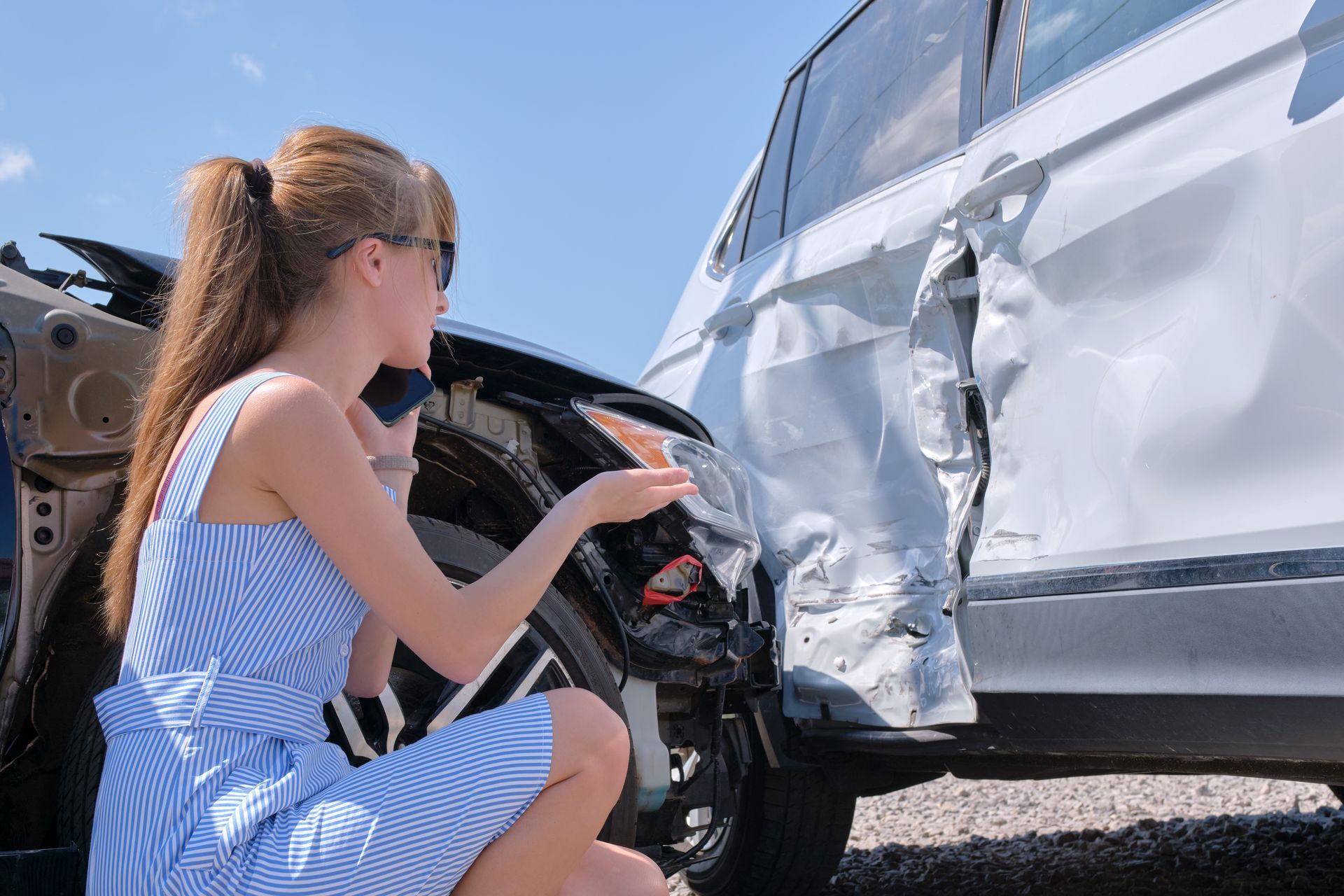
If you are involved in a nighttime accident:

  • Move to a safe location if possible
  • Turn on hazard lights
  • Call for help if needed
  • Stay visible to other drivers
  • Document the scene carefully

Knowing what to do ahead of time can make a stressful situation easier to manage.

Night driving comes with risks that many drivers overlook.

Reduced visibility, fatigue, and impaired drivers all contribute to higher accident rates after dark. Staying alert and practicing safe driving habits can help protect you and others on the road.


If you or someone you care about has been involved in a nighttime accident and you are unsure what to do next,

Call Christina Now is here to help guide you with clarity and support.

Night driving comes with risks that many drivers overlook.

Reduced visibility, fatigue, and impaired drivers all contribute to higher accident rates after dark. Staying alert and practicing safe driving habits can help protect you and others on the road.


If you or someone you care about has been involved in a nighttime accident and you are unsure what to do next,

Call Christina Now is here to help guide you with clarity and support.

Night driving brings increased risks from reduced visibility, fatigue, and impaired drivers. Learn how to stay safer after dark.

This article is part of our Summer Safety & Accident Awareness Series.

Explore more resources to stay safe this season.
Woman using smartphone while driving vehicle, demonstrating distracted driving dangers and increased
May 26, 2026
Learn what causes distracted driving accidents in the summer and how to stay safer during busy travel and vacation season.
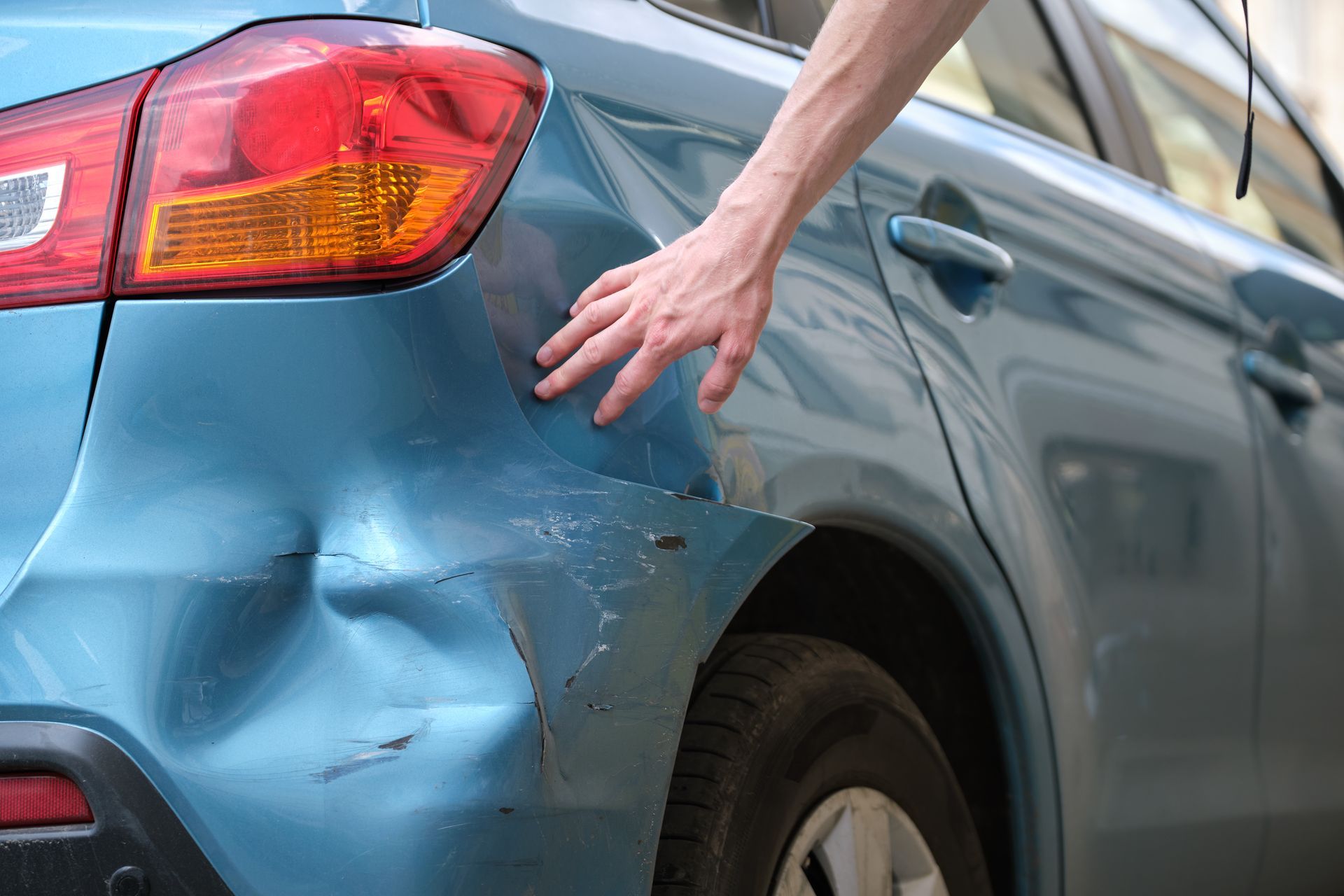
Close-up of rear bumper damage after car accident, showing vehicle collision repair needs in Arizona
May 22, 2026
Learn why accident risks increase during Memorial Day, 4th of July, and Labor Day weekends—and how to stay safer on the road.

Friends taking selfie during Arizona desert road trip, summer travel and driving safety awareness
May 13, 2026
Stay safe on long drives with these road trip safety tips. Learn how to prevent accidents and prepare for a safer journey.

Group of friends enjoying a summer drive together representing increased travel and road activity
May 12, 2026
Teen drivers face higher risks during summer break. Learn safety tips for families to help reduce accidents and build safer driving habits.
May 6, 2026
Learn why summer has the highest accident rates and what you can do to stay safe during busy travel season.