Understanding Whiplash: More Serious Than Many People Realize
Whiplash is one of the most common injuries after a car accident, yet it is often misunderstood.
Many people assume whiplash is a minor injury that causes temporary neck discomfort and quickly goes away. In reality, whiplash can affect daily activities, work, sleep, and overall quality of life. Some people experience symptoms for weeks, months, or even longer after an accident. One of the biggest challenges with whiplash is that symptoms do not always appear immediately. A person may feel fine immediately after a collision, only to wake up the next day with significant pain and stiffness. Understanding whiplash, its symptoms, and the importance of early treatment can help accident victims take their recovery seriously and seek the care they need.
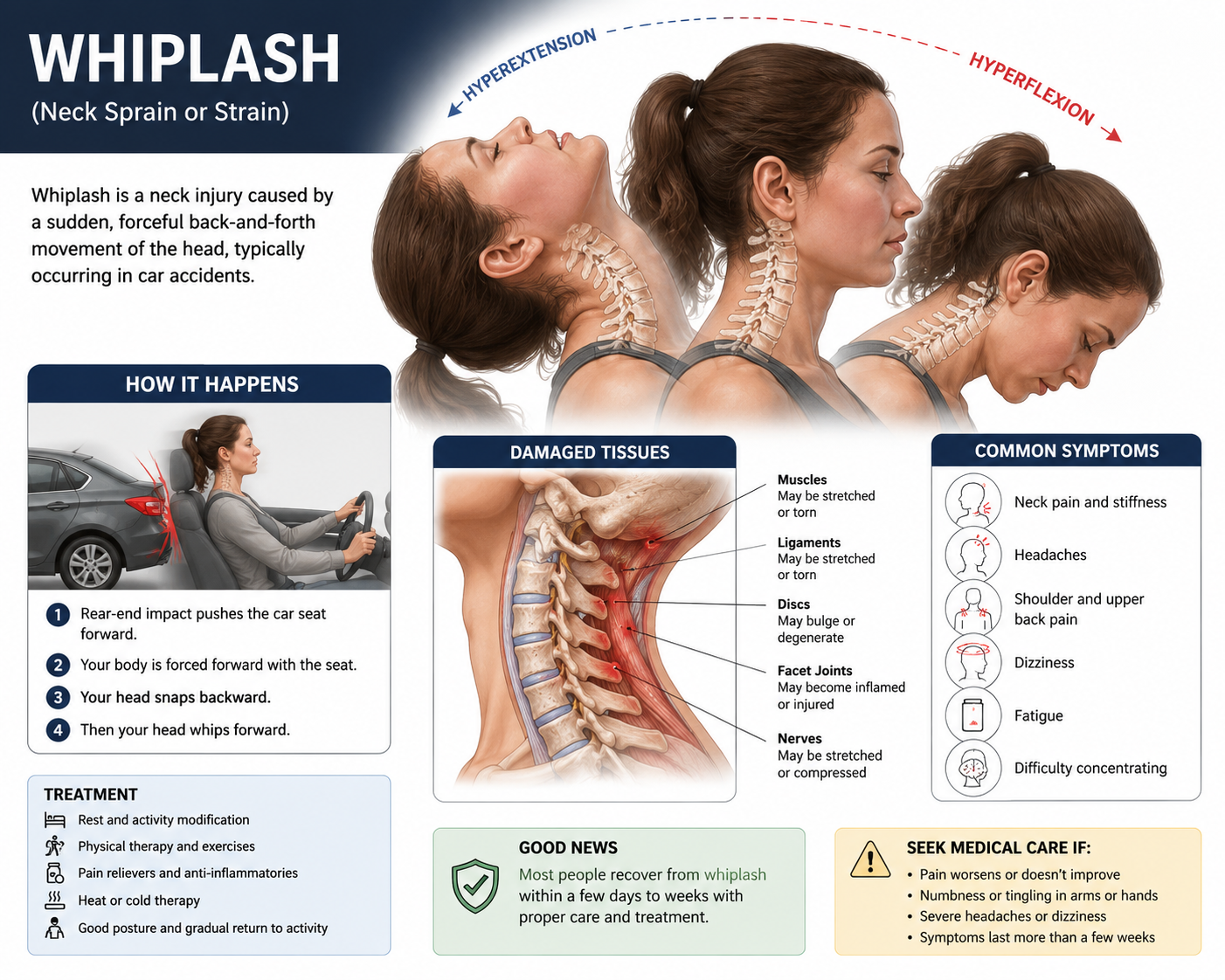
Symptoms May Not Appear Right Away
One reason whiplash is often underestimated is that symptoms can be delayed.
After an accident, adrenaline may temporarily mask pain and discomfort. As a result, some individuals do not notice symptoms until hours or even days later.
Common symptoms include:
- Neck pain and stiffness
- Headaches
- Shoulder pain
- Upper back pain
- Dizziness
- Fatigue
- Difficulty concentrating
- Limited range of motion
Because symptoms can develop gradually, it is important not to assume you are uninjured simply because you feel fine immediately after an accident.
Why Whiplash Is Often Misunderstood
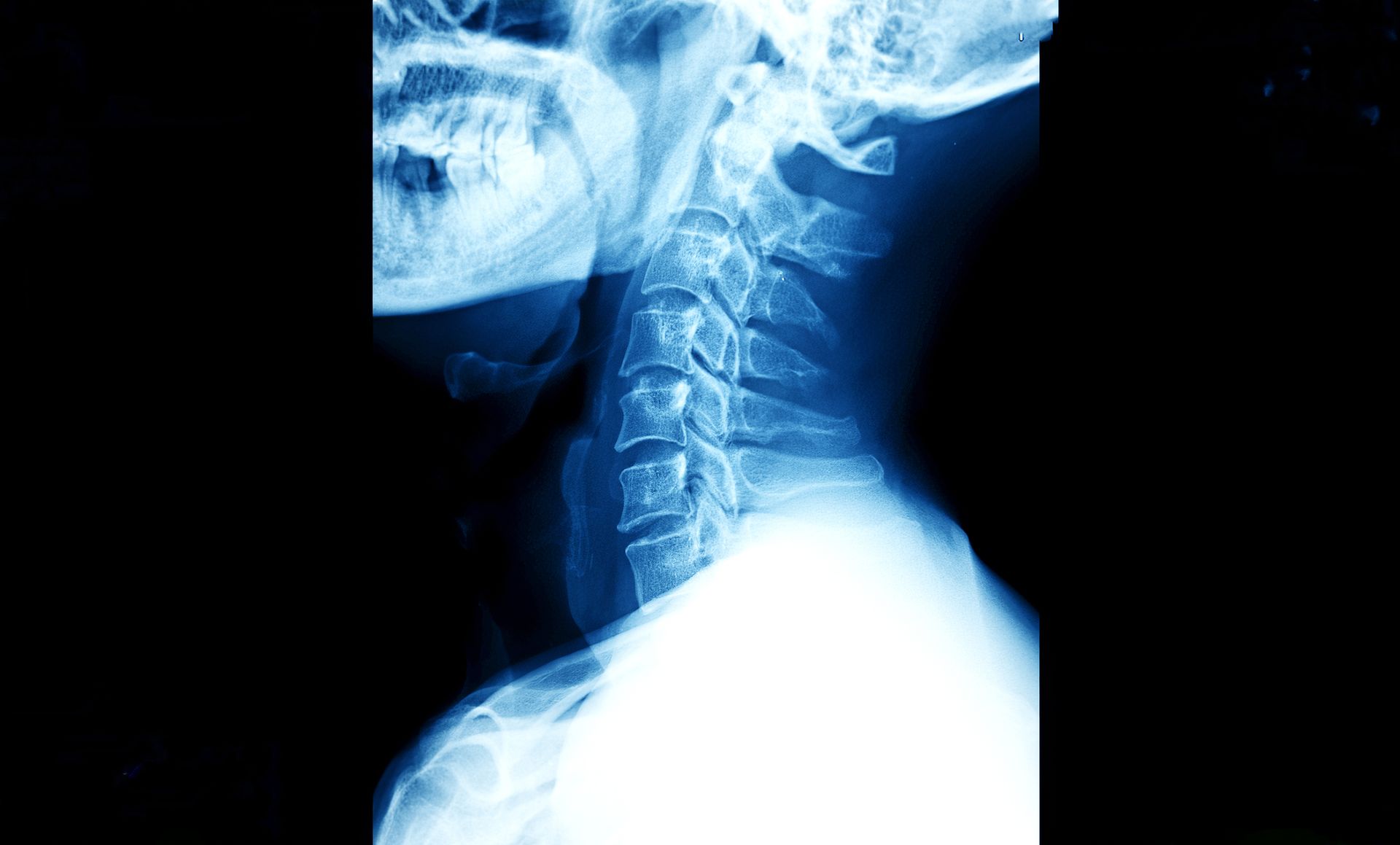
Unlike broken bones or visible wounds, whiplash is a soft tissue injury.
This means it may not always appear on:
- X-rays
- CT scans
- Standard imaging tests
Many people mistakenly believe that if an injury cannot be seen, it is not serious.
The reality is that soft tissue injuries can cause significant pain and limitations. Some individuals struggle with daily activities such as working, driving, exercising, or even sleeping comfortably.
Pain is real, even when it is not visible.
Short-Term and Long-Term Effects
Recovery timelines vary from person to person. Some individuals recover within a few weeks. Others may continue experiencing symptoms for months.
Short-term effects may include:
- Neck soreness
- Stiffness
- Headaches
- Difficulty turning the head
Long-term effects can include:
- Chronic neck pain
- Reduced mobility
- Ongoing headaches
- Sleep disturbances
- Emotional stress related to pain
When symptoms persist, they can begin affecting multiple areas of a person's life.

Why Early Medical Care Matters
Seeking medical attention after an accident can be important, even if symptoms seem minor.
A healthcare provider can:
- Evaluate your condition
- Identify potential injuries
- Recommend treatment options
- Monitor your recovery
Early treatment may help reduce pain, improve mobility, and prevent symptoms from becoming more severe.
Common treatment approaches may include:
- Physical therapy
- Pain management
- Stretching exercises
- Activity modifications
- Follow-up medical evaluations
Every injury is different, and treatment should be based on individual circumstances.
Why Documentation Matters
Medical documentation can play an important role in both recovery and understanding the full impact of an injury.
Keeping records of:
- Medical visits
- Diagnoses
- Treatment plans
- Symptoms
- Missed work
can help create a clear picture of how the injury affects daily life.
Accurate documentation may also become important when dealing with insurance-related matters after an accident.

Signs You Should Not Ignore
It is important to seek medical attention if you experience:
- Persistent neck pain
- Worsening headaches
- Numbness or tingling
- Difficulty concentrating
- Dizziness
- Significant loss of movement
Ignoring symptoms may allow the condition to worsen over time. Prompt evaluation can help identify concerns early and support recovery.
Whiplash is more serious than many people realize.
Although it is commonly associated with neck pain, the effects can extend into daily activities, emotional well-being, work, and overall quality of life. Because symptoms may not appear immediately, it is important to pay attention to changes in your body following an accident. Understanding the signs of whiplash and seeking appropriate medical care can make a significant difference in the recovery process.
If you have questions after an accident and are unsure where to turn,
Call Christina Now is here to provide guidance, support, and connections to helpful resources.