Spring Break Accidents: What Families Should Know
How to stay safe during travel — and what to do if an accident disrupts your family’s plans.
When Vacation Plans Take an Unexpected Turn
Spring break is meant to be a time for relaxation, travel, and making memories with family and friends. Every year, families across the country head to beaches, road trips, resorts, and theme parks to enjoy a break from work and school.
Unfortunately, spring break also brings a surge in accidents. Increased travel, crowded roads, unfamiliar destinations, and late-night activities can all raise the risk of injuries.
If an accident happens during what was supposed to be a fun getaway, it can quickly turn a relaxing trip into a stressful situation. Knowing what to do ahead of time can help families stay calm and protect themselves if the unexpected occurs.

Why Accidents Increase During Spring Break
Several factors contribute to a spike in accidents during spring break season:
- Heavier traffic on highways and tourist routes
- Drivers unfamiliar with local roads
- Increased alcohol consumption at vacation destinations
- Fatigue from long road trips or late nights
- Crowded attractions and recreational activities
These conditions can lead to car accidents, pedestrian incidents, boating injuries, slip-and-falls, and other preventable accidents.
Being aware of these risks helps families stay more alert during travel.
Common Types of Spring Break Accidents
Car Accidents
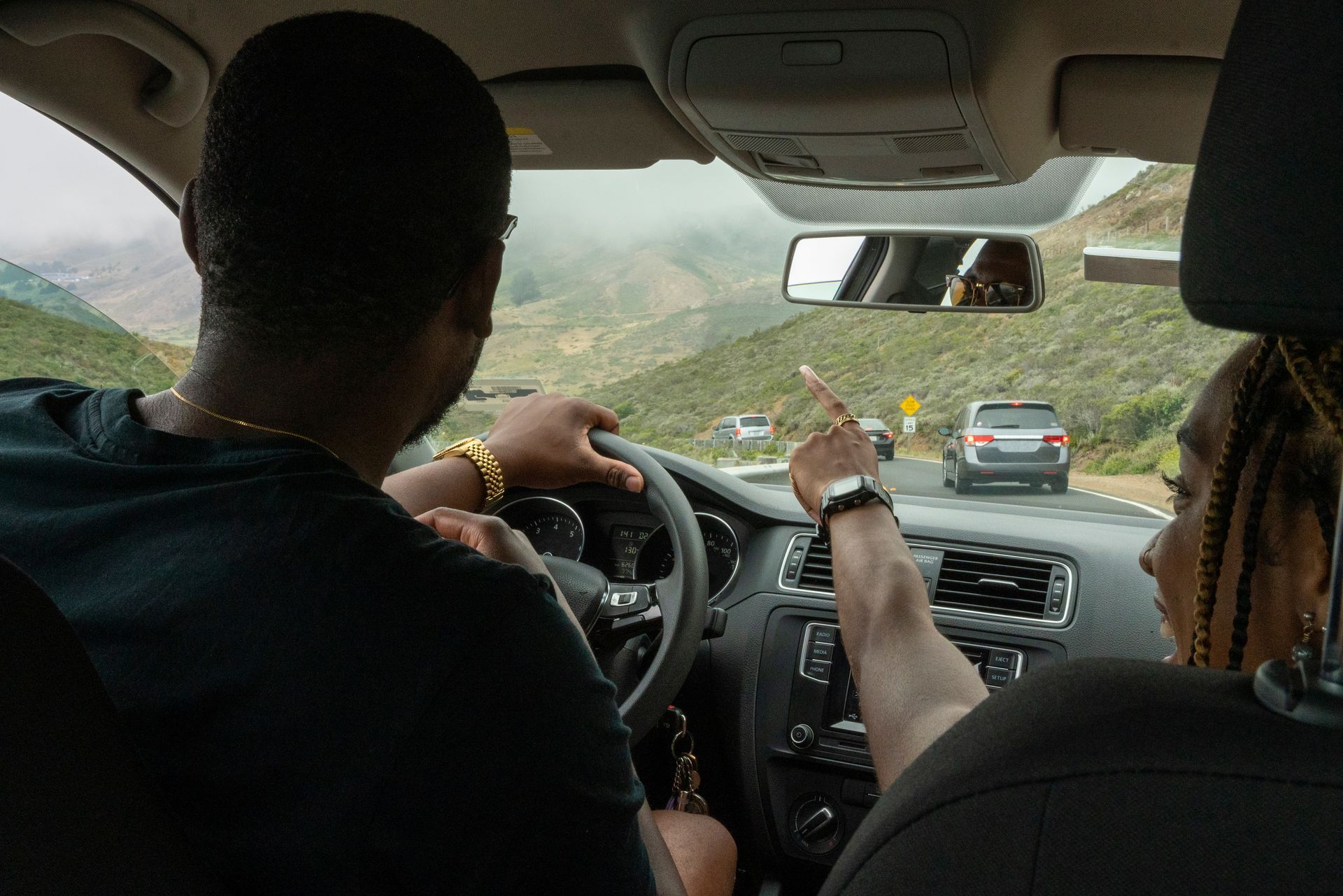
Road trips are one of the most popular ways families travel during spring break. Unfortunately, highways often become congested with vacation traffic.
Accidents may involve:
- Distracted drivers
- Speeding on unfamiliar roads
- Fatigued drivers
- Impaired drivers leaving nightlife areas
Even careful drivers can find themselves caught in unexpected collisions.
Pedestrian Accidents
Tourist areas are often crowded with people walking between hotels, restaurants, and attractions.
Pedestrian accidents may happen when:
- Drivers fail to yield at crosswalks
- Visitors cross busy streets unexpectedly
- Traffic patterns are confusing in unfamiliar areas
Children and families are especially vulnerable in busy tourist locations.
Recreational Activity Injuries
Many spring break destinations offer outdoor activities such as:
- Jet skiing
- Boating
- Parasailing
- ATV riding
- Zip-lining
While these activities can be exciting, accidents can happen if equipment is poorly maintained, operators are inexperienced, or safety rules are ignored.
Slip and Fall Accidents
Hotels, resorts, restaurants, and pool areas can create hazards if safety measures are not properly maintained.
Common causes include:
- Wet pool decks
- Uneven walkways
- Poor lighting
- Spilled drinks or food
Property owners are responsible for keeping their premises reasonably safe for visitors.
Nature's Symphony
What Families Should Do Immediately After an Accident
If an accident happens during spring break, staying calm and taking a few key steps can make a big difference later.
1. Seek Medical Attention
Health and safety should always come first. Even injuries that seem minor can worsen over time.
Getting medical care also creates documentation that may become important later.
2. Report the Incident
Depending on the situation, report the accident to:
- Local police
- Hotel management
- Property owners
- Activity operators
An official report can help establish what happened.
3. Document the Scene
If it is safe to do so, gather information such as:
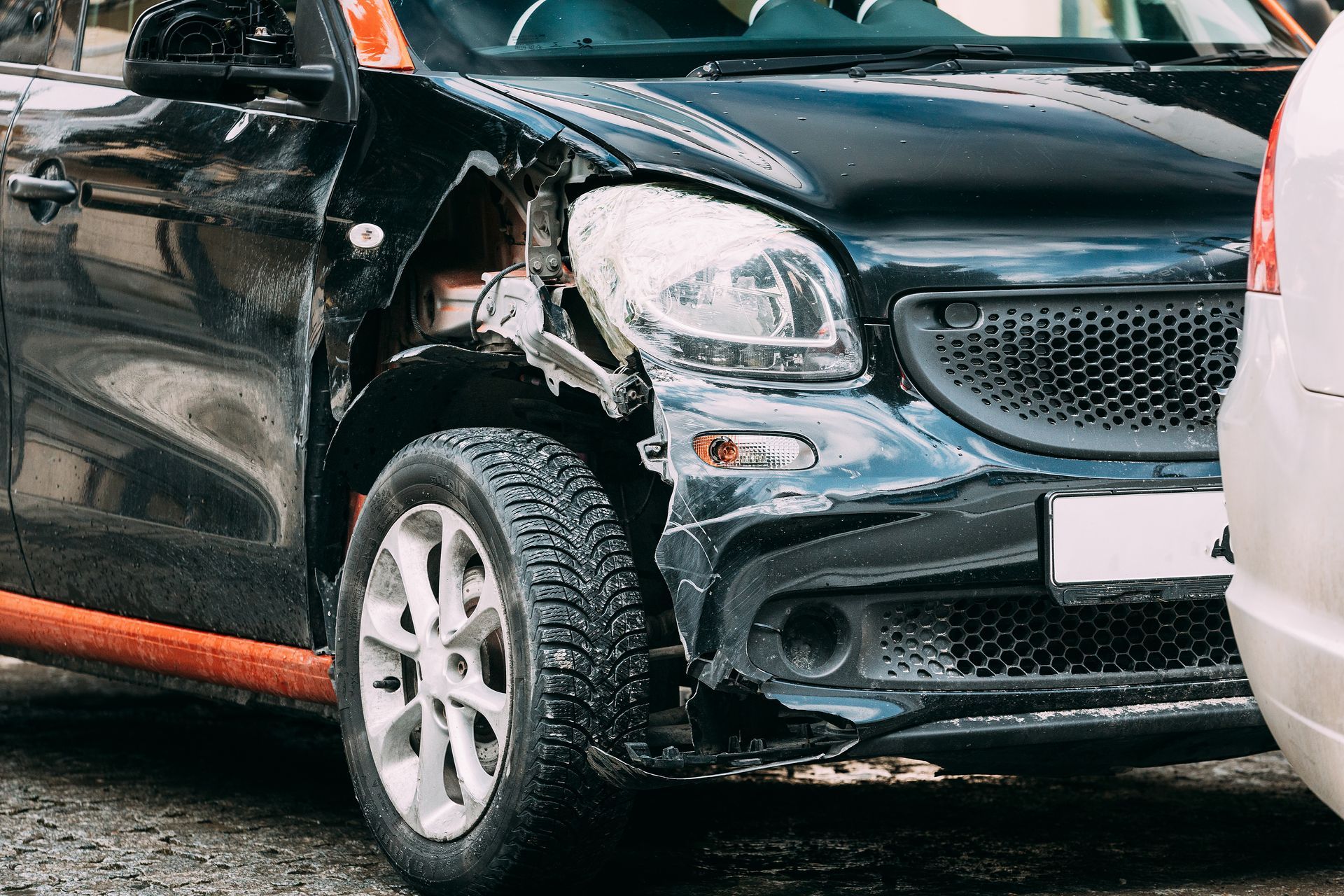
- Photos of the accident scene
- Vehicle damage
- Road conditions or hazards
- Contact information for witnesses
- Insurance details
These details can be extremely helpful later.
4. Avoid Guessing or Admitting Fault
In stressful moments, people sometimes apologize or make statements they later regret.
Stick to the facts and avoid making assumptions about what caused the accident.
Traveling Out of State?
Accidents Can Still Be Handled
One concern many families have is what happens if an accident occurs outside their home state.
While laws may vary slightly from state to state, accident claims can still be handled even if you were traveling. Insurance policies and legal processes are designed to address incidents that occur during travel.
The most important thing is to properly document the accident and understand your options before making decisions.
Don’t Let Stress or Confusion Lead to Costly Mistakes
After an accident during vacation, families may feel pressure to resolve things quickly so they can continue their trip or return home.
However, rushing decisions can sometimes create bigger problems later.
Avoid:
- Accepting quick settlement offers
- Giving recorded statements without understanding the situation
- Ignoring injuries that appear later
- Posting details about the accident on social media
Taking a little time to understand your options can protect your family.
When It May Be Helpful
to Get Guidance
You may want guidance if the accident involves:
- Multiple vehicles
- A commercial or rental vehicle
- A hotel or resort property
- Recreational activity providers
- Serious injuries or medical bills
Understanding how liability and insurance work can help families avoid confusion during an already stressful situation.

Protecting Your Family During Spring Break
Spring break should be about making memories, not dealing with accidents or injuries. While no one plans for something to go wrong, being informed can help families respond calmly and confidently if it does. Knowing the right steps to take can make a difficult situation far more manageable. Call Christina Now We’re a free accident helpline here to help families understand their options, avoid common mistakes, and get the guidance they need after an accident. You don’t have to navigate the aftermath of an accident alone — even if it happens far from home.