Can Hot Weather Affect Your Ability to Drive Safely?

Arizona summers can be hard on more than your vehicle. Extreme heat can also affect the person behind the wheel.
High temperatures can contribute to dehydration, fatigue, discomfort, and reduced concentration. Spending time inside a hot vehicle can make these problems worse, particularly when air conditioning is not working properly or a driver is already tired.
For Arizona drivers, understanding how heat can affect alertness and comfort is another important part of summer accident prevention.
How Can Extreme Heat Affect Drivers?
Driving requires constant attention. You need to watch traffic, monitor your surroundings, react to changing road conditions, and make quick decisions.
Extreme heat may make those tasks more difficult when it contributes to physical discomfort, dehydration, or fatigue.
Drivers experiencing heat-related discomfort may have trouble staying focused or may become less attentive behind the wheel.
That is especially concerning during long commutes, road trips, or heavy traffic.
Dehydration Can Affect Concentration
Dehydration occurs when your body loses more fluid than it takes in.
Arizona's summer temperatures can cause you to lose fluids more quickly, especially if you spend time outside before getting into your vehicle.
Even mild dehydration can leave you feeling tired, uncomfortable, or less focused.
Before a long drive, keep water available and make sure you have had enough fluids throughout the day.
If you begin feeling unwell while driving, find a safe place to pull over rather than trying to push through it.

Heat and Driver Fatigue
Fatigue is another concern during hot-weather driving.
Long drives combined with high temperatures can leave drivers feeling worn out. If you're already tired before getting behind the wheel, extreme heat may make the drive feel even more difficult.
Signs that you may need a break include:
- Frequent yawning
- Difficulty keeping your eyes open
- Trouble concentrating
- Missing road signs or exits
- Drifting within your lane
- Feeling unusually tired
Don't assume you can simply "push through" severe fatigue.
Pull over somewhere safe and take a break when necessary.
A Hot Vehicle Can Make Things Worse
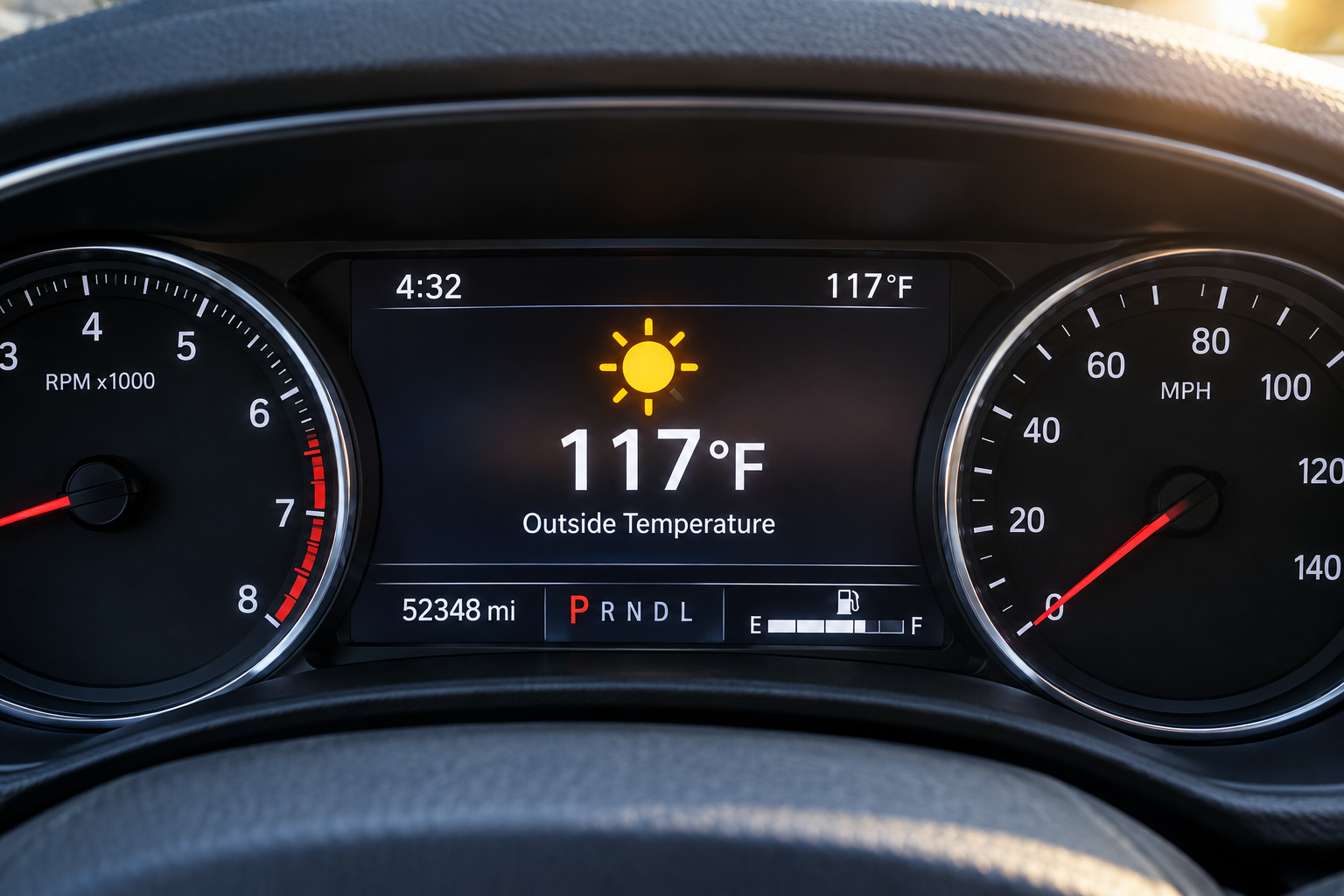
Getting into a vehicle that has been sitting in the Arizona sun can be extremely uncomfortable.
The temperature inside a parked vehicle can rise significantly, even when the windows are closed.
Before beginning a longer drive, allow the air conditioning system to cool the cabin and make sure you're comfortable before heading onto the road.
If your vehicle's air conditioning isn't working properly during extreme heat, consider having it inspected before taking a long trip.
Don't Let Discomfort Become a Distraction
Heat can create its own distractions.
Drivers may be tempted to:
- Adjust the air conditioning repeatedly
- Reach for water while moving
- Remove clothing or personal items
- Change seats or positions
- Search for shade while driving
These actions can take your attention away from traffic.
Set up what you need before leaving whenever possible. If you need to adjust something that requires significant attention, safely pull over first.
Sunglasses and Sun Glare Matter Too
Arizona's bright sunlight can create another challenge for drivers.
Sun glare can make it harder to see:
- Pedestrians
- Brake lights
- Traffic signals
- Road signs
- Other vehicles
Keep your windshield clean and have sunglasses available when appropriate.
If the sun is directly in your eyes and visibility becomes difficult, slow down and increase your following distance.
Arizona's Summer Traffic Can Add to the Challenge
Summer driving doesn't happen in isolation.
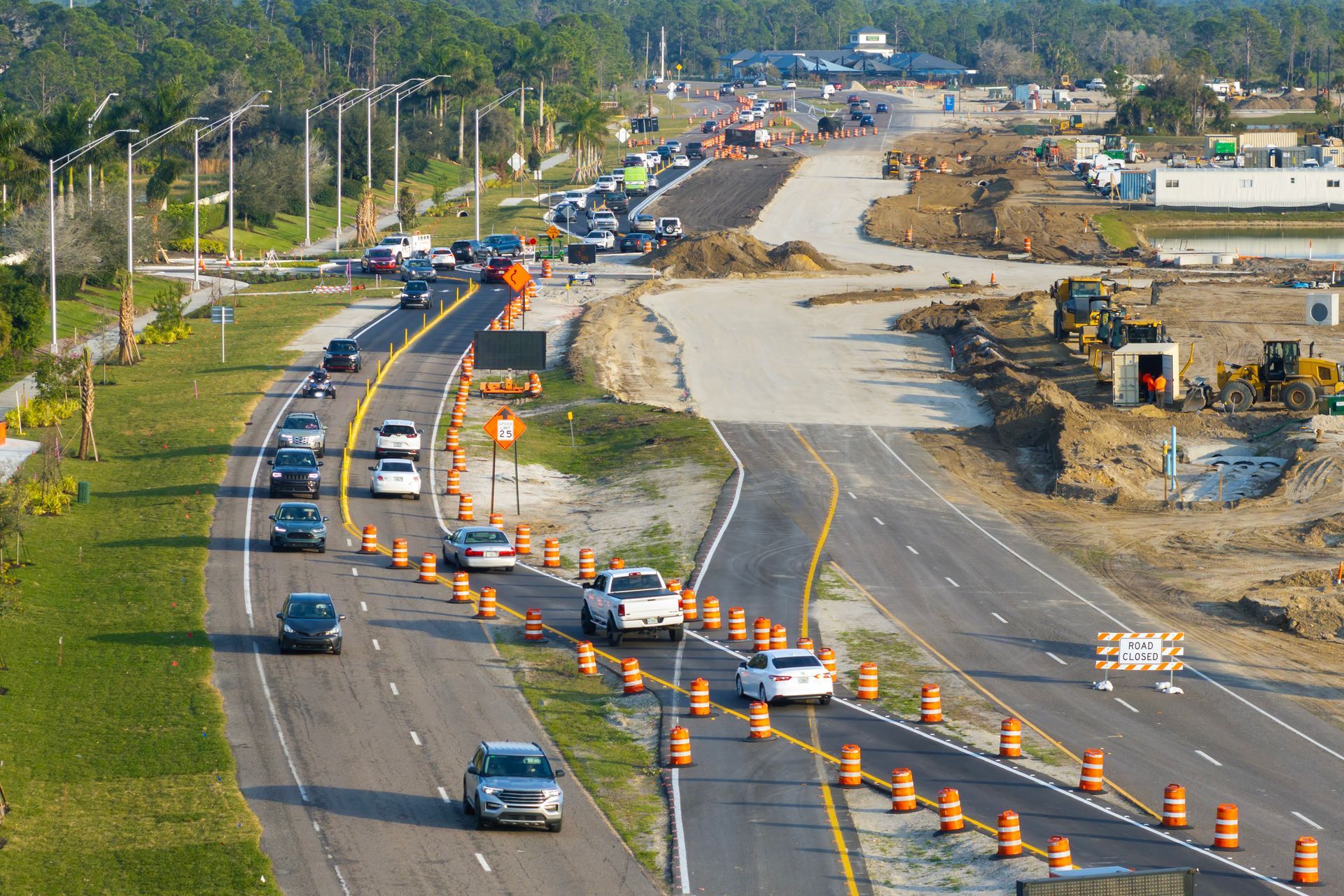
Arizona roads can become especially busy during vacations, holiday weekends, and major travel periods. More vehicles combined with heat, construction, road work, and monsoon weather can create challenging driving conditions.
Remaining patient and leaving extra travel time can reduce the temptation to speed or make rushed decisions.
For more information, read our Road Trip Safety Tips: How to Stay Safe on Long Drives.
🌵 Arizona Safety Tip
Keep water in your vehicle during Arizona's hottest months.
If you become overheated, dizzy, unusually tired, or otherwise unwell while driving, don't continue simply because you are close to your destination. Find a safe place to stop and address the problem before getting back on the road.
What About Children and Pets?
Summer driving safety also means thinking about passengers.
Never leave children or pets unattended in a parked vehicle. Temperatures inside a vehicle can become dangerously high very quickly.
When traveling with children or pets, make sure they have access to appropriate fluids and that the vehicle remains comfortably cooled during the trip.

How Can You Stay Safer While Driving in Extreme Heat?
A little preparation can make summer driving more comfortable and safer.
Before leaving:
- Check that your air conditioning is working.
- Bring water for longer trips.
- Get adequate rest before driving.
- Check your vehicle's tires and fluids.
- Clean your windshield.
- Keep sunglasses available.
- Plan your route before you leave.
- Allow extra travel time.
- Take breaks during long drives.
If you're traveling across Arizona, don't wait until you're exhausted or uncomfortable to stop.
What Should You Do If You Start Feeling Unwell While Driving?
Your safety comes first.
If heat, dehydration, fatigue, or another problem is affecting your ability to drive:
- Stay calm.
- Reduce your speed if necessary.
- Find a safe location to pull over.
- Turn on your hazard lights if you have stopped somewhere that creates a potential traffic hazard.
- Drink water or seek appropriate assistance.
- Do not resume driving until you are able to do so safely.
If you are experiencing a serious medical emergency, call 911.
What If Heat-Related Problems Contribute to an Accident?
Sometimes several factors can come together.
A driver may become fatigued or distracted, while heavy traffic, poor visibility, a mechanical problem, or another road hazard adds to the situation.
If you're involved in an accident, prioritize everyone's safety. Check for injuries, contact emergency services when necessary, exchange information, and document the scene when it is safe to do so.
For additional information, read What to Do After a Summer Accident (Step-by-Step).
You can also learn more about Automobile Accidents and the resources available after a collision.
Arizona's extreme summer temperatures can affect both vehicles and the people driving them.
Staying hydrated, getting enough rest, keeping your vehicle cool, reducing distractions, and taking breaks during long trips can help you remain focused behind the wheel.
You cannot control the temperature outside, but you can control how prepared you are before getting on the road.
A few simple precautions can help make summer driving safer for you, your passengers, and everyone else sharing Arizona's roads.
Need Help After an Accident?
If you or someone you care about has been involved in an accident and you're unsure what to do next, Call Christina Now can provide guidance and connect you with trusted medical, legal, and recovery resources.

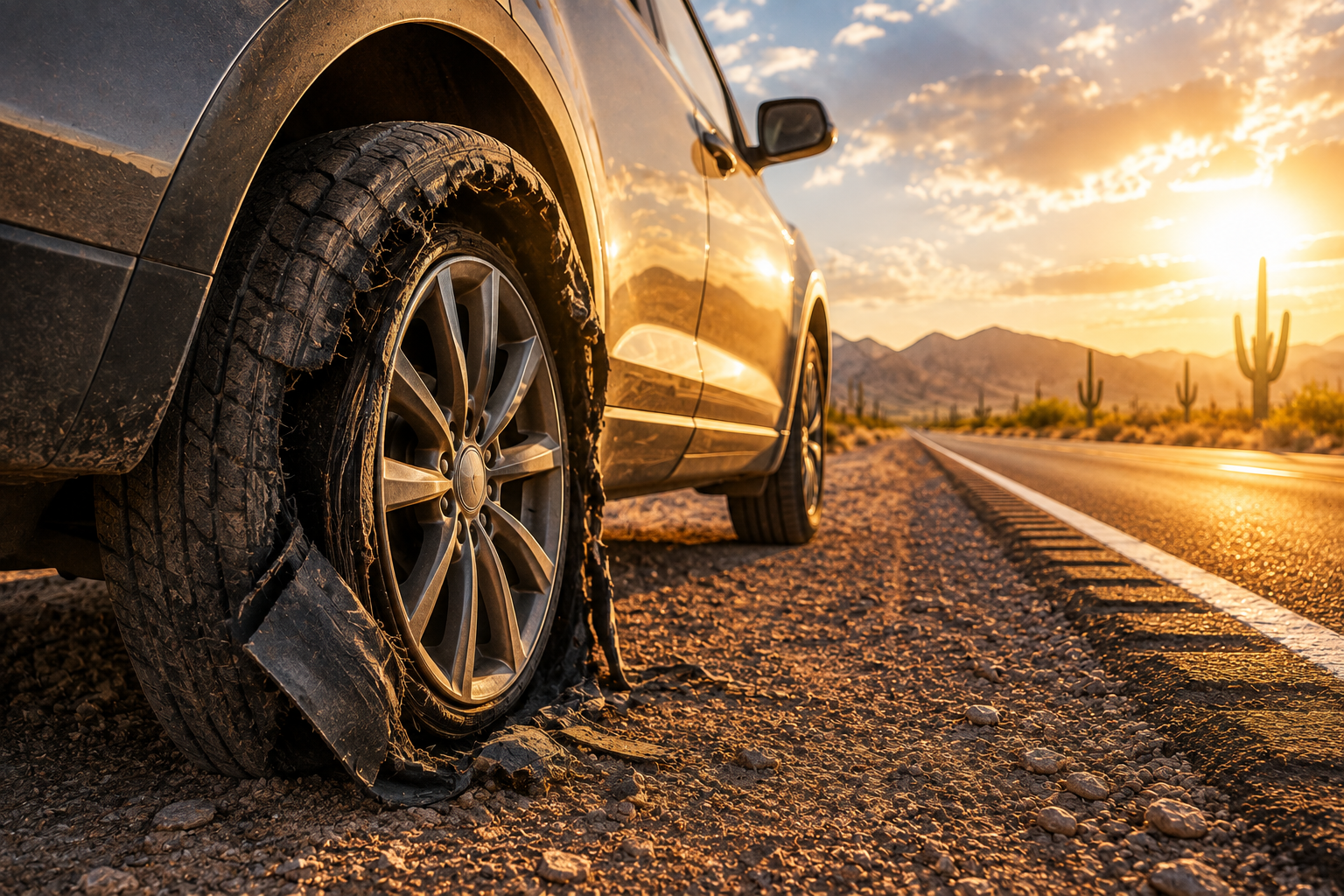
Arizona's extreme summer heat can put added stress on your tires. Learn what increases the risk of a blowout, warning signs to watch for, and how to prepare before hitting the road.
This article is part of our Summer Safety & Accident Awareness Series.
Explore more resources to stay safe this season.