How Heat Can Affect Your Car—and Increase Accident Risks

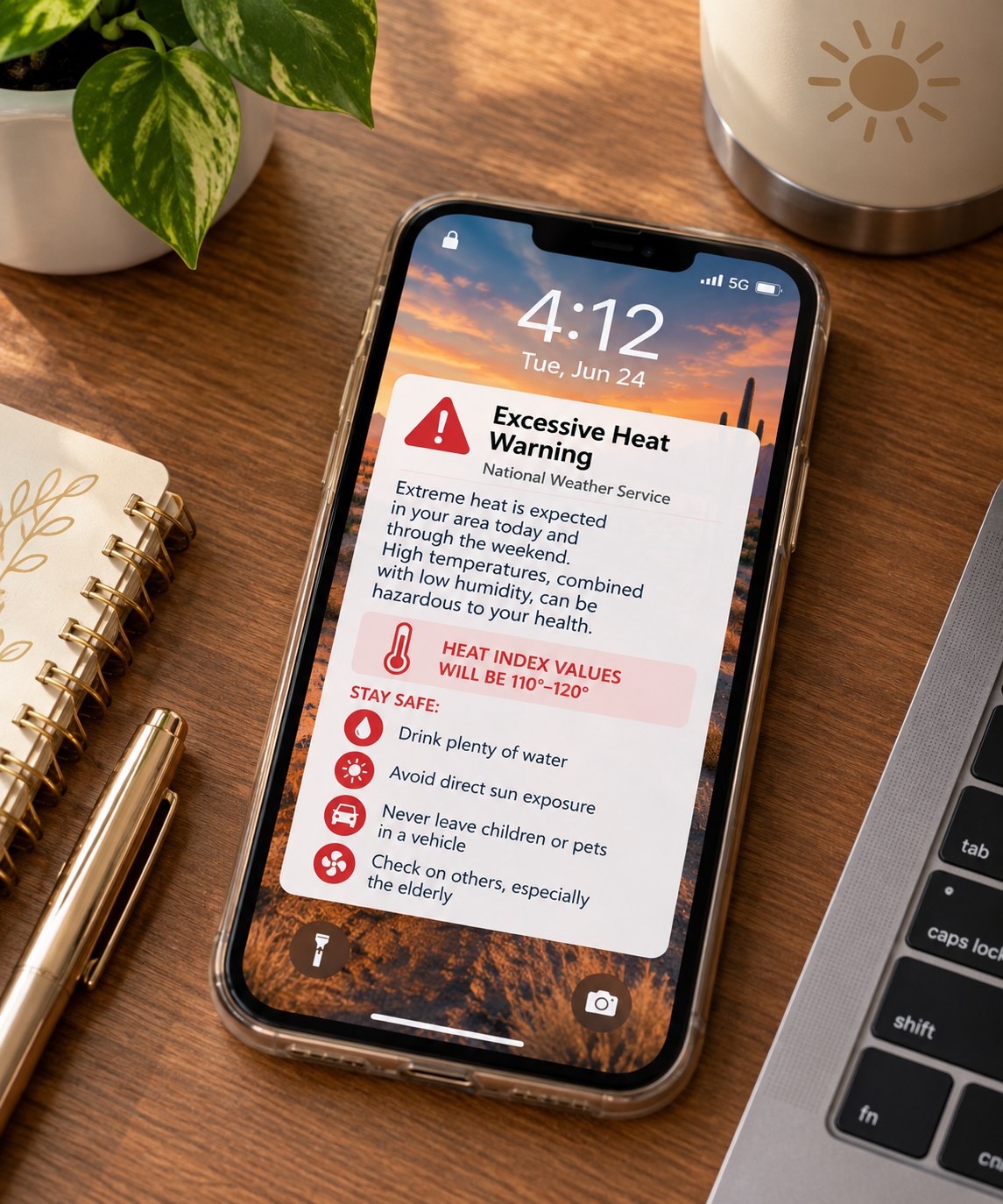
Arizona summers are known for extreme heat, with temperatures regularly climbing above 100 degrees. While most people understand that hot weather can be uncomfortable, many don't realize how much it can affect their vehicle.
Extreme heat can put added stress on tires, batteries, engines, brakes, and other critical components. When combined with heavy summer travel and increased traffic, these mechanical problems can increase the risk of an accident.
Understanding how Arizona's heat affects your vehicle can help you prepare before you hit the road and reduce the likelihood of unexpected breakdowns or dangerous driving conditions.
Why Arizona's Summer Heat
Is Hard on Vehicles
High temperatures place extra strain on nearly every part of your vehicle.
Extended exposure to extreme heat can affect:
- Tires
- Batteries
- Cooling systems
- Engines
- Brakes
- Air conditioning systems
- Windshield wipers
Routine maintenance becomes even more important during Arizona's hottest months.
Tire Blowouts Become More Likely
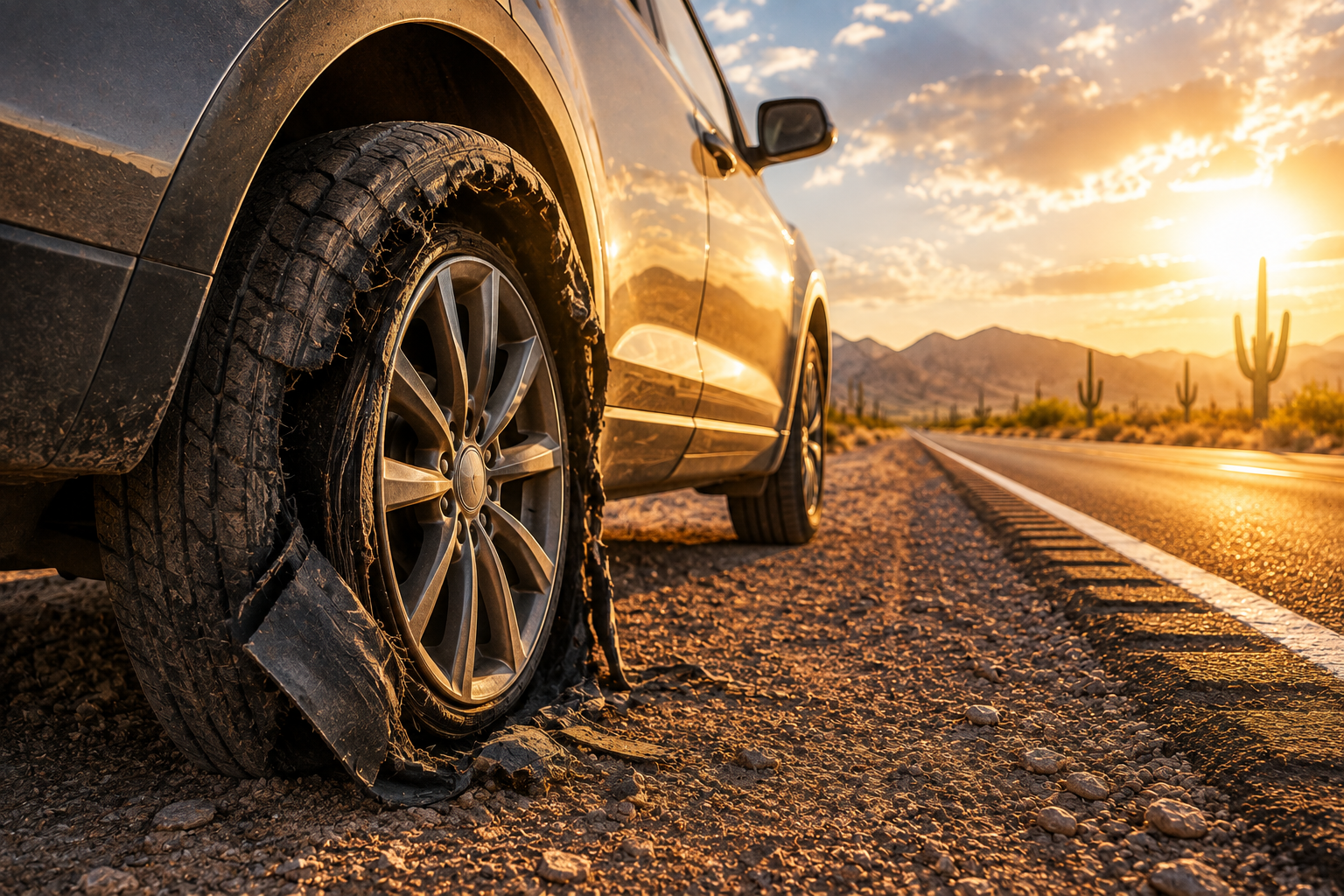
Hot pavement and high air temperatures can increase tire pressure, especially if tires are already underinflated, overinflated, or worn.
A tire blowout can cause drivers to lose control of their vehicle, particularly at highway speeds.
To help reduce the risk:
- Check tire pressure regularly.
- Inspect tires for uneven wear or damage.
- Replace worn tires before long trips.
- Avoid overloading your vehicle.
If you're planning a summer getaway, our guide, Road Trip Safety Tips: How to Stay Safe on Long Drives, offers additional tips for preparing your vehicle before traveling.
Engines Can Overheat
Your vehicle's cooling system works harder during Arizona summers.
Low coolant levels, cooling system problems, or prolonged driving in heavy traffic can cause an engine to overheat.
Signs of an overheating engine may include:
- Temperature gauge rising
- Steam coming from under the hood
- Warning lights
- Loss of engine performance
If your vehicle begins to overheat, pull over safely as soon as possible and allow the engine to cool before opening the hood.
Batteries Can Wear Out Faster
Many drivers associate dead batteries with cold weather, but Arizona's extreme heat can actually shorten battery life.
High temperatures may cause:
- Faster battery deterioration
- Corrosion
- Reduced battery performance
Having your battery tested before peak summer travel can help prevent unexpected breakdowns.
Brakes Need Extra Attention
Brakes generate heat every time they are used.
During Arizona summers, high outdoor temperatures combined with frequent braking in traffic or on mountain roads can increase wear on brake components.
If you notice:
- Grinding noises
- Squealing
- Vibrations
- Longer stopping distances
have your brakes inspected by a qualified technician.
Air Conditioning Is More Than a Comfort Feature
Air conditioning helps drivers remain comfortable and focused during extreme heat.
Driving in excessive heat without adequate cooling may contribute to:
- Fatigue
- Dehydration
- Reduced concentration
- Slower reaction times
Remaining comfortable behind the wheel can help improve overall driving safety.
Windshield Wipers and Visibility
Arizona's heat can cause windshield wiper blades to crack and deteriorate.
When monsoon storms arrive, worn wipers may struggle to clear rain, reducing visibility.
If you'll be driving during monsoon season, you may also find our guide, Arizona Monsoon Driving Safety: How Rain, Dust Storms, and Flash Floods Increase Accident Risks, helpful.
🚗 Arizona Safety Tip
Arizona pavement temperatures can exceed 150°F during the summer,
even when the air temperature is significantly lower.
Hot pavement places additional stress on tires and can increase the risk of tire failure.
Before long drives, inspect your tires, check tire pressure when the tires are cool,
and never ignore signs of uneven wear or damage.
Simple Ways to
Prepare Your Vehicle
Before heading out this summer:
- Check tire pressure.
- Inspect tire tread.
- Test your battery.
- Check coolant levels.
- Inspect windshield wipers.
- Make sure your air conditioning is working properly.
- Keep water and emergency supplies in your vehicle.
A few minutes of preparation can help prevent costly breakdowns and improve safety.
What to Do If Your
Vehicle Breaks Down
If your vehicle experiences mechanical problems:
- Move to a safe location if possible.
- Turn on your hazard lights.
- Stay away from moving traffic.
- Call for roadside assistance if needed.
- Remain inside your vehicle if it is unsafe to stand near traffic.
If a breakdown leads to an accident, our article, What to Do After a Summer Accident (Step-by-Step), explains important actions you can take following a collision.
Arizona's summer heat affects more than just drivers—it can place significant stress on the vehicles we depend on every day. Routine maintenance, regular inspections, and a little preparation can help reduce the risk of breakdowns and accidents during the hottest months of the year. By taking proactive steps before you drive, you can help protect yourself, your passengers, and others sharing Arizona's roads.
If you or someone you care about has been involved in an accident caused by a vehicle malfunction or summer driving conditions, Call Christina Now is here to provide guidance, support, and connections to trusted medical and legal resources.

Arizona's extreme heat can affect your tires, battery, engine, and brakes. Learn how hot weather increases accident risks and how to prepare your vehicle for a safer summer.
This article is part of our Summer Safety & Accident Awareness Series.
Explore more resources to stay safe this season.